
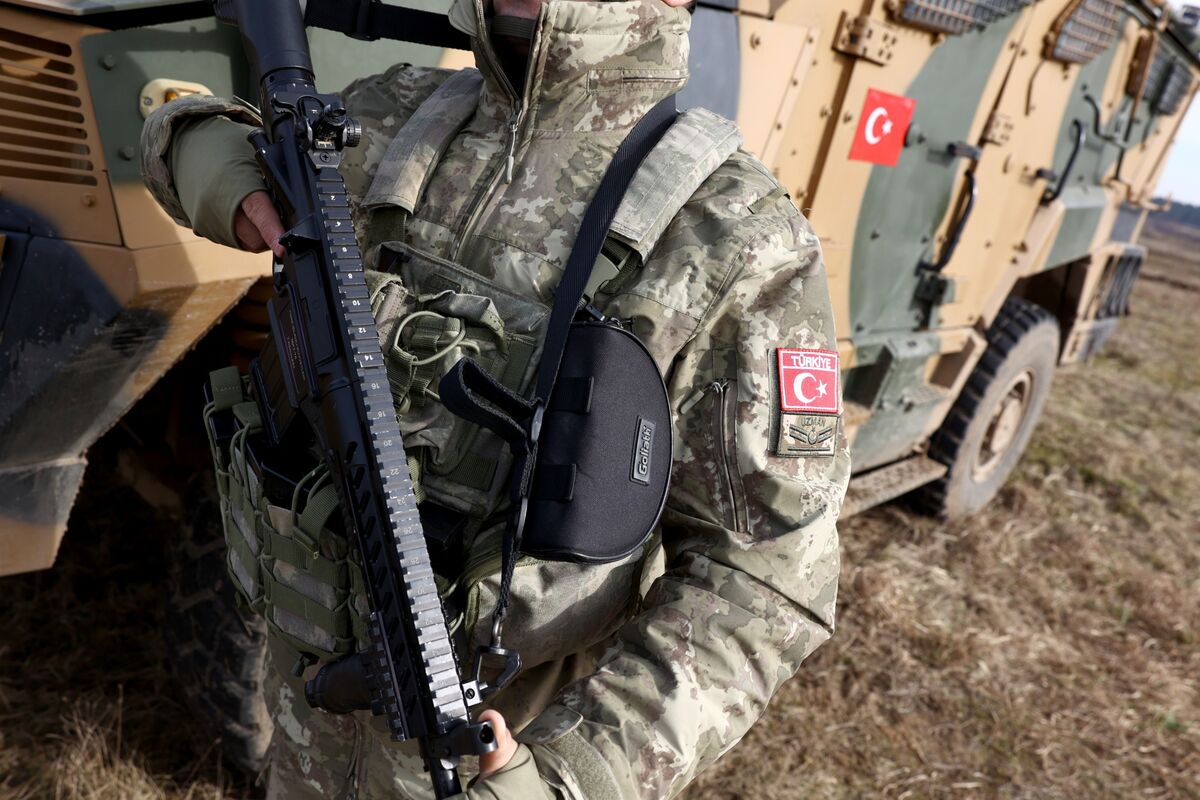
Turkey is strategically positioning itself to capitalize on the shifting dynamics in global military engagement, particularly as the United States scales back its military presence in regions such as Europe and the Middle East. This withdrawal sets the stage for Turkey to enhance its own geopolitical stature while potentially reaping economic benefits from various opportunities that arise in this transitional period.
Shifting Alliances and Strategic Interests
The reduction of U.S. military forces in specific regions significantly alters the landscape of international relations. Countries like Turkey are assessing how they can fill the void left by American troops, thereby increasing their influence. This shift could result in new alliances forming, as nations seek to ensure their security in an environment that may become less stable without the backing of U.S. military power. Turkey, given its strategic location at the crossroads of Europe and Asia, stands to gain considerably from this reconfigured geopolitical tableau.
Economic Opportunities on the Horizon
As the U.S. withdraws, Turkey may position itself as a key player in regional economics, especially regarding energy supply routes and trade agreements. This could mean increased investment in infrastructure and partnerships with other nations looking to establish stability and collaborative trade relationships. The potential for Turkey to act as a mediator or central hub in energy corridors could play to its advantage, fostering relationships not just regionally but also with global powers seeking consistent energy resources.
Implications for Regional Security
Turkey’s role in regional security is likely to become even more pronounced as Western influence wanes. By strengthening its military capabilities and expanding its operational reach, Turkey could take on greater responsibilities in maintaining stability in neighboring regions. This evolution could lead to a more assertive foreign policy, as Turkey seeks to establish itself as a central player in managing conflicts and political dynamics that arise as other powers withdraw.
The Ideological Shift and Domestic Considerations
Domestically, this geopolitical realignment could influence public sentiment and national policy in Turkey. As the government capitalizes on the military vacuum left by the U.S., it may rally support through nationalistic rhetoric and initiatives aimed at reinforcing its global standing. This could empower the ruling party to pursue more aggressive strategies on the world stage, intertwining foreign policy with domestic political resilience as they navigate a new era of international diplomacy.
Turkey’s actions in this transitional period will undoubtedly contribute to shaping the future landscape of international relations, especially in a world where U.S. commitments are evolving. By harnessing both its geographic advantages and emerging economic opportunities, Turkey seems poised to emerge as a significant actor in a redefined global order.