
The evolving relationship between Donald Trump and Recep Tayyip Erdogan is sparking considerable concern in Israel. The implications of providing advanced aircraft to Turkey might actually play a role in moderating Erdogan’s ambitions.
Understanding the Context of the NATO Summit
At the recent NATO summit held in Ankara, Turkish President Recep Tayyip Erdogan found himself in a favorable position, welcoming numerous global leaders. This gathering highlighted a critical aspect of international relations: the tendency for pragmatic interests to overshadow ethical and democratic values. Many leaders chose to overlook serious allegations regarding Turkey’s human rights abuses to maintain strategic partnerships and bolster collective security within the NATO framework.
Erdogan’s role in the summit underscored his significance not only to Turkey but also within the broader context of NATO. His ability to coordinate discussions and actions around key issues reflects his growing influence among Western allies. However, this influence raises alarm bells in countries like Israel, which are closely monitoring Turkey’s regional ambitions.
The Implications of Advanced Aircraft Sales
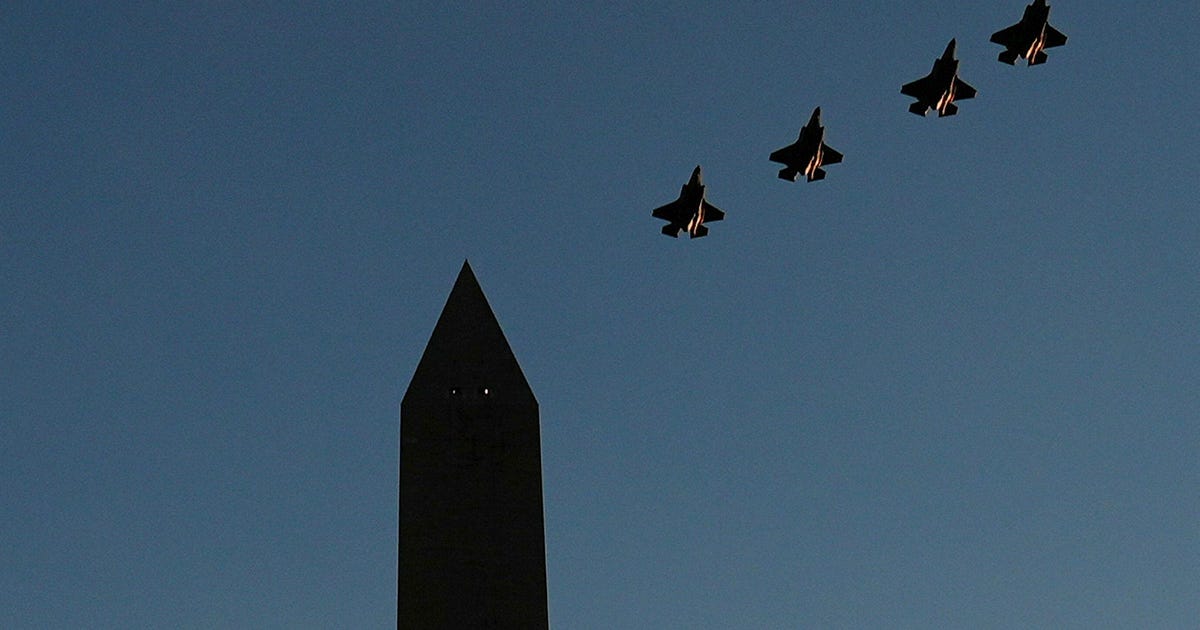
The prospect of the United States selling advanced fighter jets to Turkey has sparked heated debates. Critics argue that providing cutting-edge military technology to Erdogan’s regime could exacerbate tensions in a volatile region. Conversely, proponents suggest that such a move might serve as a balancing mechanism, enabling Turkey to stabilize its military posture without becoming more aggressive toward its neighbors.
By even indirectly limiting Erdogan’s actions, the sale may contain Turkey’s reach and prevent it from pursuing overly ambitious policies. If used properly, these advanced jets could serve as a deterrent against Erdogan’s more expansive military objectives, thereby assisting in regional stability.
Regional Reactions and Strategic Concerns
Israel remains particularly apprehensive about Turkey’s increasingly assertive foreign policy, which some analysts believe could embolden Erdogan to further engage in regional conflicts. Such military advancements may not only reinforce Turkey’s resolve but could also challenge Israel’s security interests in the Mediterranean and Middle East. With territorial disputes and a history of geopolitical tension, both nations are acutely aware of the shifting balance of power.
Moreover, Erdogan’s growing alliance with other regional players has added complexity to the situation. Should the U.S. proceed with the aircraft sales, it could inadvertently strengthen these alliances, making it even harder for Israel to navigate the emerging landscape.
A Potential Path Forward
For all stakeholders involved, a balanced diplomatic approach will be crucial. As the U.S. and NATO grapple with Erdogan’s evolving role, they must weigh the potential benefits of deeper alliances against the risks posed by empowering a leader known for his autocratic tendencies. The choice to engage with Turkey has far-reaching ramifications that extend well beyond military sales; it asks nations to reflect on how they prioritize democratic principles when faced with undeniable pragmatic concerns.
The unfolding chapter in the U.S.-Turkey relationship will demand careful monitoring and strategic engagement, especially as developments can have both direct and collateral impacts on Israel and its national security protocols. Ultimately, how the U.S. navigates this delicate balancing act may define the future dynamics within the region for years to come.