
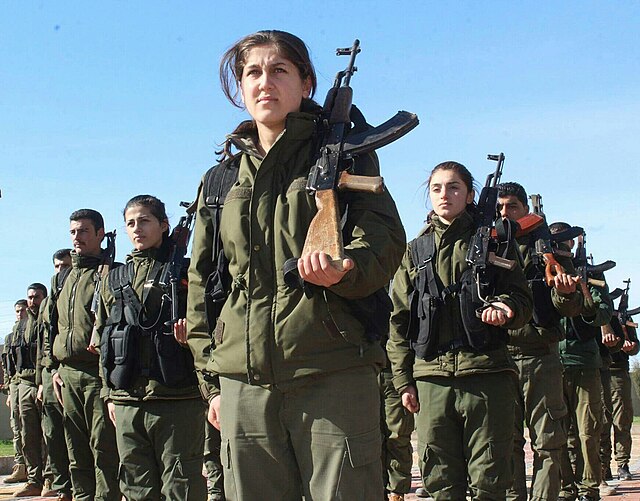
The peace process between Turkey and the Kurdistan Workers’ Party (PKK) has recently gained significant momentum, marking a pivotal moment in regional stability. As of October 8, Turkish intelligence confirmed that the PKK had withdrawn its forces from Turkish territory, a significant stride toward lasting peace. Senior PKK leader Murat Karayilan announced that the group’s units located in major Turkish cities are also set to withdraw. This shift shows promise in overcoming historical barriers and restoring confidence for future negotiations.
A New Era of Negotiations
The peace dialogue, initiated in October 2024, has notably witnessed a decrease in violence between Turkey and the PKK. The Turkish government has recognized Abdullah Öcalan, the PKK’s imprisoned founder, as the main representative for Kurdish interests, which aligns with one of the PKK’s long-standing demands. Acknowledging Öcalan’s leadership has been crucial, granting him authority to convince PKK members to uphold agreements without fracture. Enhanced communications and scheduled visits for PKK leaders to Öcalan signify a more cooperative phase. Just last year, the PKK initiated disarmament by publicly destroying weapons in Iraq, indicating a serious commitment to the peace process.
Turkey’s External Motivations
Initially, the Turkish government’s motives for this new approach lacked clarity. However, the underlying drivers appear to be closely tied to regional dynamics. Officials have expressed concerns about escalating conflicts in neighboring countries like Syria and Iran, which they believe jeopardize national security. The ongoing struggle with the PKK has often been cited as a vulnerability that could be exploited by external actors, particularly in a volatile Middle East. Therefore, resolving the Kurdish issue not only aims to stabilize Turkey internally but also to project a stronger national identity externally.
The ramifications of this peace initiative are already extending beyond Turkey. In Syria, tensions between the Kurdish groups and the government in Damascus have eased, leading to potential integration of Kurdish forces into the national military framework. In Iraq, Turkey’s agreement to hand over a military base highlights its intention to redefine its military posture in the region. A productive resolution to the Turkey-PKK conflict would ultimately reduce military conflicts and enhance stability across borders.
Challenges and Future Prospects
Despite gains, challenges remain. Turkish President Recep Tayyip Erdoğan has maintained a cautious public stance, with coalition partner Devlet Bahçeli taking the lead in advocating for the so-called “Terror-Free Turkey Process.” This political dynamic has influenced the pace of the peace efforts, as Erdoğan’s hesitations reflect concerns over his electoral future. However, Bahçeli’s focus on external factors has allowed for forward momentum, pushing negotiations ahead despite Erdoğan’s reservations.
The legislative framework approved in Turkey’s parliament has laid the groundwork for peace but also emphasizes the complexities involved. While PKK forces have begun withdrawal, progress hinges on formal disarmament confirmation from the National Security Council. Internal pushback from PKK leadership reveals the necessity for cooperative disarmament alongside legislative implementation for success. Furthermore, the legislation’s exclusion of senior PKK members has created friction, prompting calls for more democratic engagement in the process.
Ultimately, while the peace initiative may not catalyze a rapid democratic transformation within Turkey, it emphasizes the importance of dialogue. The Kurdish leadership’s commitment to peace indicates a willingness to find a middle ground, even amidst doubts about political reform. As both sides navigate these complexities, the prospect of lasting peace continues to emerge as a prerequisite for a more democratic and stable Turkey.