
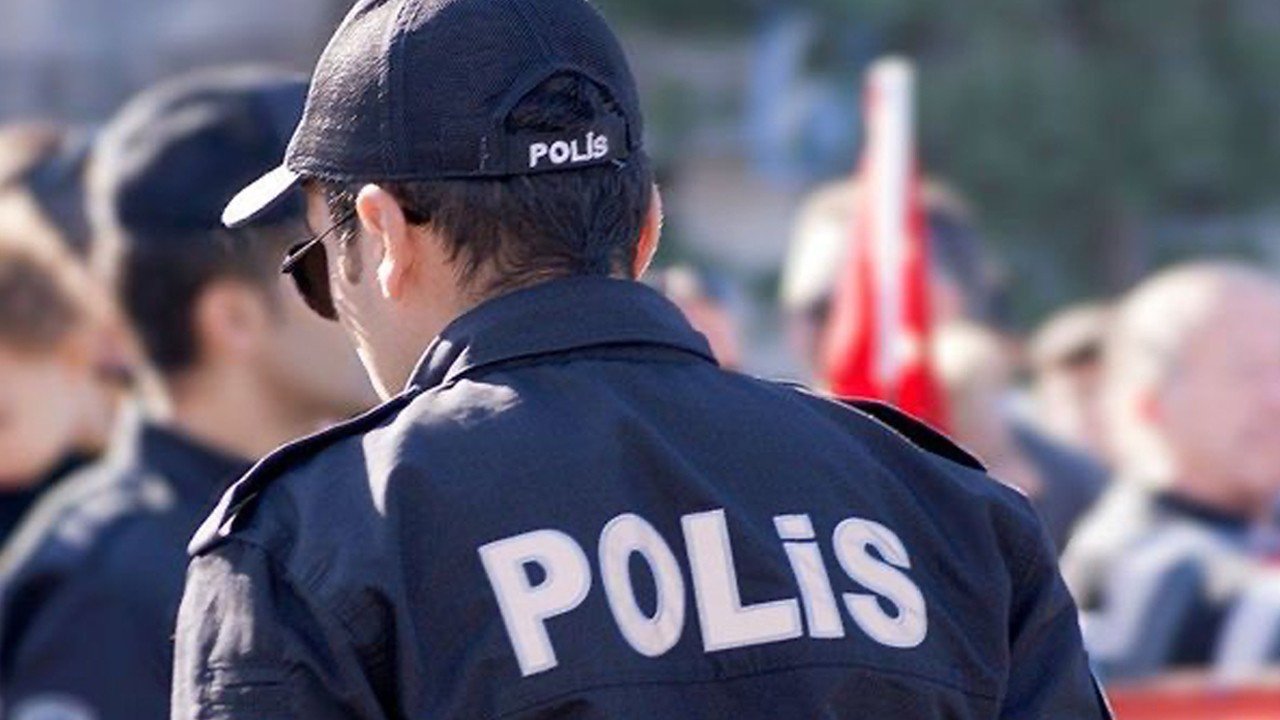
Recent reports indicate a troubling trend in Turkey’s police force, with an average of one officer dying by suicide every four days this year. The toll has reached 72 deaths, leading to significant calls for investigations and improvements in working conditions. This alarming situation underscores the urgent need for reform in law enforcement and worker welfare.
Rising Incidents of Police Suicides
The latest victim, Yasemin Bodur Karasu, was a 33-year veteran in the police service and tragically took her life on October 5. Her death came on the heels of a disturbing cluster of suicides in late September, during which the Emniyet-Sen police union reported seven deaths in just five days among its members. This spike in suicide rates within the force highlights an increasingly severe mental health crisis that demands immediate attention.
Protests and Rising Concerns
Not long before Karasu’s unfortunate passing, Ali Şekeroğlu, a retired police officer, ended his life during a protest on September 25. He was vocal about inadequate pension conditions, an issue that reflects broader systemic failures affecting current officers as well. The stark reality is that these tragedies are often public events, showcasing the overwhelming distress faced by members of the police force.
A contributing factor to these tragic incidents has been identified by Emniyet-Sen, which points to long working hours, workplace bullying, and financial strains that hinder both current and retired officers. In a wake-up call, the union organized a nationwide half-day work stoppage on September 28 to draw attention to these pressing issues.
Political Inaction and Union Advocacy
The increasing rates of officer suicides in Turkey have caught the attention of politicians, yet repeated proposals for formal investigations have been met with rejection. Main opposition lawmaker Murat Bakan has consistently raised the alarm since 2015, submitting motions for parliamentary inquiries into the underlying causes of these tragic incidents. However, these motions have been dismissed, often along party lines by lawmakers of the ruling Justice and Development Party (AKP) and its ally, the Nationalist Movement Party (MHP).
Legislative efforts to establish a parliamentary commission aimed at investigating police suicides have similarly been shot down. Various proposals from the İYİ (Good) Party, as well as from the Republican People’s Party (CHP), have consistently faced opposition from the AKP and MHP in multiple years, including 2021, 2022, and 2024. This pattern raises questions about the commitment to address the systemic issues plaguing the police force.
Conclusion: The Call for Reform
As the situation unfolds, the ongoing concern surrounding police suicides in Turkey reveals not just a rising health crisis but a deep-seated systemic issue within the force. With unions and opposition lawmakers alike calling for accountability from authorities, the need for tangible reforms has never been more critical. Addressing the mental health challenges, workplace conditions, and financial stability of officers could potentially save lives and restore faith in a profession that plays a crucial role in society. The situation is urgent, and now is the time for meaningful dialogue and action to prevent future tragedies.