
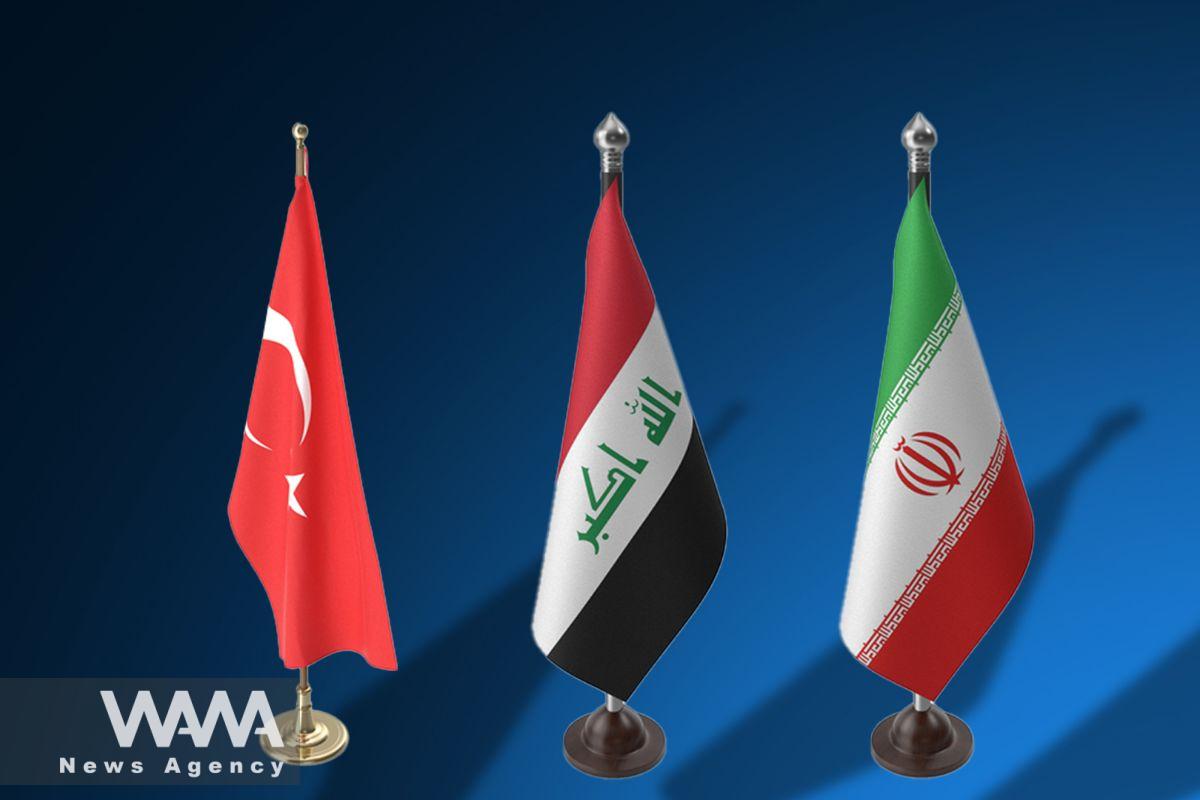
Iranian Foreign Minister Seyed Abbas Araghchi recently engaged in discussions with his counterparts from Turkey and Iraq. These conversations primarily focused on regional stability and the pressing need to avoid further escalation of tensions in the Middle East. This diplomatic outreach underscores the importance of ongoing collaboration among nations to foster peace in a volatile region.
Focus on Regional Developments
During his phone call with Turkish Foreign Minister Hakan Fidan, Araghchi addressed critical issues affecting the region. Both ministers shared their views on the latest developments and highlighted the necessity of proactive measures to mitigate any potential escalation of conflicts. Their dialogue reflects a collective commitment to diplomatic solutions aimed at fostering stability and security. The emphasis placed on continued consultations indicates an understanding that effective communication is key to addressing the complexities of regional dynamics.
Coordination Between Iran and Iraq
In his separate discussion with Iraqi Foreign Minister Fuad Hussein, Araghchi elaborated on bilateral relations and shared concerns regarding ongoing regional situations. The two foreign ministers focused on the importance of maintaining a coordinated approach to ensure security along their mutual border. They acknowledged the intricate relationship between their nations and the impacts of external factors on their stability.
The conversation highlighted the critical need for responsible decision-making regarding regional developments. Both Iran and Iraq recognize that a unified front is essential to navigate the challenges they face, particularly in light of the potential for expanding conflicts in the area. By stressing the significance of collaboration, they are laying the groundwork for more effective regional governance.
Preventing Escalation and Promoting Peace
Ultimately, the discussions among these nations point to an overarching goal: preventing further escalation of conflicts and promoting peace across the region. The proactive stance taken by Araghchi and his counterparts exemplifies the understanding that diplomacy remains the best avenue to resolve tensions. Their emphasis on stability through continued dialogue reflects a collective desire to avoid a spillover of conflicts, which could have severe implications not just for the involved nations, but for global peace as well.
The engagements between Iran, Turkey, and Iraq demonstrate an understanding of interdependence in the realm of security and diplomatic relations. This tripartite dialogue serves as a reminder that while conflicts can be detrimental, strategic communication and cooperation can pave the way for conflict resolution and enduring peace. As the geopolitical landscape evolves, the need for sustained partnerships and open lines of communication will be more critical than ever for maintaining stability in the Middle East.
In conclusion, the recent conversations between Iranian, Turkish, and Iraqi foreign ministers signify a concerted effort to foster peace and stability in a delicate geopolitical environment. As regional dynamics continue to shift, the importance of diplomatic efforts and international cooperation cannot be overstated. By prioritizing dialogue and collaboration, these nations are taking essential steps to prevent escalation and secure a more peaceful future.