
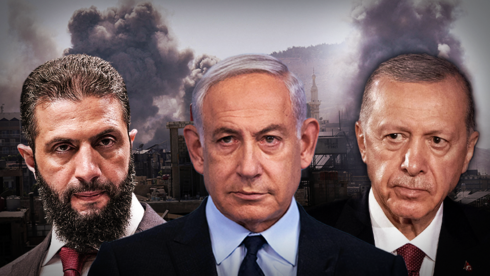
The Israeli Defense Forces (IDF) recently conducted airstrikes in Syria, targeting a vehicle associated with a terrorist in the Beit Jinn area, located near Damascus. The incident has raised concerns over escalating tensions in the region, particularly in light of the ongoing conflict dynamics involving Turkey. According to reports, one individual was wounded during the IDF operation, which reflects ongoing security threats that the IDF aims to address.
### IDF’s Action and Justification
The IDF asserted its strategy by stating that the targeted terrorist posed an imminent danger to both Israeli soldiers and civilians. In their official communiqué, they emphasized their commitment to neutralizing threats as a priority. Lt. Col. (res.) Eyal Dror, a former head of the IDF’s “Good Neighbor” program, highlighted that Beit Jinn has been known to harbor terrorist infrastructure and certain pro-Hamas factions. Dror also noted that the attack’s nature differed from earlier strikes, indicating that the situation in Syria remains unstable.
### Rising Tensions with Turkey
Israeli officials are particularly attentive to Turkey’s actions in the region, especially regarding its military presence. Recent intelligence suggested that Turkey intended to deploy radar and air defense systems at the Abu al-Duhur airfield, prompting fears that this shift could compromise Israel’s air superiority and security. Turkish President Recep Tayyip Erdogan’s increasingly aggressive rhetoric and military posturing have added to these concerns, with some Israeli analysts interpreting this as Turkey’s strategy to assert its influence in the area.
### Political Ramifications
The Israeli airstrike has been met with mixed reactions. Israeli Defense Minister Israel Katz stated that the attack was a necessary preventive measure. He also addressed accusations that such operations were politically motivated, arguing that the government’s actions were strictly aligned with national security interests. Katz mentioned the lack of response from the Syrian regime after receiving advanced warnings, which led to the IDF’s decision to proceed with the strike. The recent air raid, he insisted, demonstrates Israel’s resolve to counter any potential threats.
### International Relations and Future Implications
As international scrutiny of Israel’s military actions increases, Turkish officials have condemned the strikes, labeling them as violations of Syria’s sovereignty and a provocative gesture. The Turkish media described the IDF’s airstrikes as an act of aggression that intensifies regional instability. Notably, the complexities of U.S. involvement further complicate matters. Tom Barrack, a key figure in U.S.-Turkey relations, has suggested that Israel may have strategically calculated its actions concerning Turkey’s military expansion, potentially provoking a response from Ankara.
### Continued Monitoring and Response Strategy
Israeli security officials are vigilant regarding not just land operations but also naval activities, as Turkey has started deploying naval vessels in areas close to Israeli waters. The situation continues to be tense, with military interactions at sea remaining a point of focus for both nations. Israeli officials anticipate that Turkey may attempt to enhance its military in Syria, further complicating the existing security landscape.
In summary, the latest IDF strikes in Syria underscore the fragile dynamic in the region, influenced significantly by Turkey’s military posture and Iran’s involvement. As Israel navigates these challenges, the ongoing dialogue surrounding these operations will be critical for regional stability and security moving forward.