
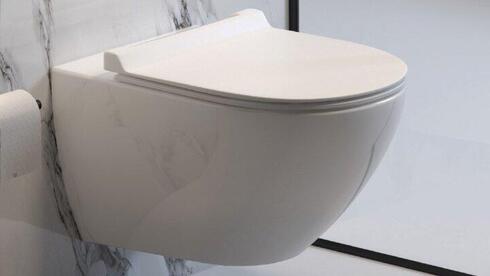
Hamat, a prominent player in the sanitary ware industry, has made the significant decision to cease its manufacturing operations in Turkey, a move that comes nearly ten years after launching its production facility in the area. This facility, managed through its subsidiary, MCP, has been responsible for the design, development, and production of ceramic sanitary products, serving primarily as a supplier for Hamat’s other subsidiaries. The sanitary ware segment has been reported as a distinct operating area within the company’s financial overview.
Challenges Leading to Operational Cessation
The decision to stop production is largely driven by continued financial losses at the Turkish plant. In the first quarter of 2026 alone, losses escalated by 10%, translating to approximately 3 million shekels. Factors contributing to these losses include dwindling demand from the company’s subsidiaries, challenges in marketing these products in Turkey—especially in light of President Recep Tayyip Erdogan’s trade boycott against Israel—and hurdles in selling products internationally. Additionally, Hamat faces stiff competition from affordable imports from the Far East, further straining its market position.
Impacts of the Closure
With the impending closure of the plant, a substantial number of employees in Turkey are expected to be laid off. Hamat anticipates incurring about 1.7 million shekels in costs related to employee termination. Post-closure, the ongoing financial implications are projected to be minimal, allowing the company to focus on restructuring its operational model without significant ongoing expenses related to the Turkish plant.
Exploring Asset Liquidation Options
In conjunction with halting production, Hamat is actively pursuing strategies to liquidate its Turkish assets. This may involve selling the entire operation, or alternatively, divesting specific components such as the plant, the land it occupies (which Hamat owns), and associated machinery and equipment. Current reports place the value of the machinery and equipment at 53.5 million shekels, though Hamat expects certain impairments, the full extent of which remains uncertain. In contrast, the land and plant—excluding equipment—have a reported value of approximately 28.8 million shekels, although an external valuation from December 2025 suggests a significantly higher worth of around 97 million shekels.
Future Directions and Profitability Goals
Hamat has clarified that the suspension of operations is specific to sanitary ware production in Turkey, with intentions to continue its involvement in the sanitary ware market. The company plans to explore alternative manufacturing partnerships to reduce costs associated with self-production. This strategic pivot is aimed at improving profitability in the sector by optimizing operational efficiencies.
In terms of financial health, Hamat is currently valued at 570 million shekels and is managed by CEO and controlling shareholder Yoav Golan. The company reported sales of 954 million shekels in 2025, a decline from its peak revenue of over 1 billion shekels in 2022. Furthermore, the company experienced a 7% decrease in sales during the first quarter of 2026, generating 223 million shekels and a sharp 32% drop in net profit, which stood at 6 million shekels. This background underscores the urgency for Hamat to transform its operational approach to regain profitability and market competitiveness.