
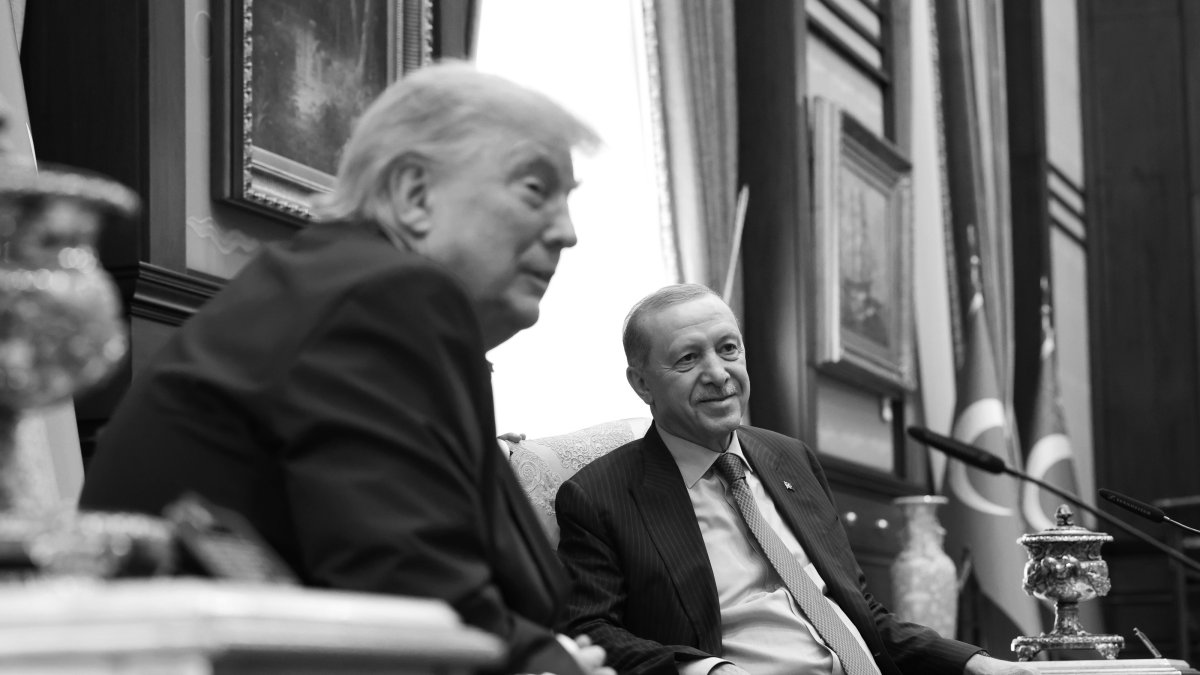
Although Israel initially drew the United States into a conflict with Iran by promising a swift and notable victory, the subsequent failure to achieve this has triggered internal repercussions in both Israel and the U.S. Moreover, it has begun to strain a relationship once deemed unwavering. This dynamic could reshape alliances and geopolitical interests in the region.
U.S.-Israel Relations Amidst Conflict
A significant marker of this cooling relationship was former U.S. President Donald Trump’s memorandum of understanding aimed at resolving the war with Iran, a move made despite Israeli opposition. Trump’s insistence on an Israeli withdrawal from Lebanon upset established expectations, shifting the landscape of U.S.-Israeli relations. Furthermore, his recent remarks at the NATO summit in Ankara regarding the lifting of CAATSA sanctions against Turkey and the potential sale of F-35 fighter jets have caused considerable unrest among Israeli leaders and Jewish advocacy groups.
Concerns about this shift have sparked an intensive campaign by the Israeli political establishment and the Jewish lobby in the U.S. to deter the lifting of sanctions on Turkey and prevent the sale of advanced military aircraft. This campaign underscoresIsrael’s unease with the potential bolstering of Turkey’s military capabilities at a time when geopolitical tensions are running high.
The Turkey-Israel Rivalry
The backdrop to Israel’s apprehensions can be traced back to Turkey’s military procurement choices. During Barack Obama’s final term, Turkey sought to acquire Patriot air defense systems. However, frustration with the U.S. government’s conditions led to Turkey’s purchase of Russia’s S-400 systems instead. This escalation spurred fears within Israel that Turkey’s receipt of F-35s could compromise their stealth technology, fostering a campaign grounded in specious claims that ultimately succeeded in removing Turkey from the F-35 program and imposing sanctions under CAATSA.
Turkey’s exclusion from the F-35 program was a sizeable loss for Israel, as it navigated newly unfavorable circumstances. Historically, Israel has worked to limit Turkey’s influence through various initiatives, including the Eastern Mediterranean Gas Forum, which aimed to marginalize Turkey’s role in regional power dynamics. Yet Turkey countered these efforts by forming agreements that disrupted Israel’s ambitions, demonstrating its resilience in fostering regional partnerships.
Shifts in Regional Dynamics
The evolving situation also bears implications for the Syrian landscape. As Turkey gained ground in supporting opposition forces after civil unrest began, Israel has been forced to adopt measures to counterbalance Turkey’s influence, often collaborating with entities that pose risks to Turkey’s interests. Nevertheless, the return of Trump to political prominence has shifted the strategic calculus in Syria and beyond, suggesting a potential turn in Turkey’s favor amidst fluctuating U.S.-Israel relations.
Turkey’s role as a mediator has been pivotal, especially during conflicts linked to Iran and Israel. With its efforts to facilitate ceasefires and assist in the stabilization of Syria, Turkey has challenged the geopolitical narratives Israel has sought to maintain. Simultaneously, Turkey’s push for accountability regarding Israel’s military actions in Gaza poses an existential challenge to its regional aspirations—one that Israel is working diligently to mitigate.
The Future of U.S.-Israeli Relations
The intensity of Israel’s campaigns against Turkey, led by Netanyahu and echoed by U.S. political figures aligned with pro-Israeli groups, underscores the deepening rift between the U.S. and Israel. Despite the barrage of political maneuvering and media campaigns aimed at discrediting Turkey, Trump’s clear stance on lifting sanctions has left Israel scrambling. It is a reflection of the complex web of interests that influence U.S. foreign policy.
While Israel appears to be in a state of alarm, Trump’s unwavering support for Turkey might redefine the future of U.S.-Israeli relations. As this intricate power dynamic evolves, it holds the potential to reshape not only bilateral relations but also the broader geopolitical landscape in the Middle East, creating new opportunities for partnerships beyond the traditional U.S.-Israeli alliance.