
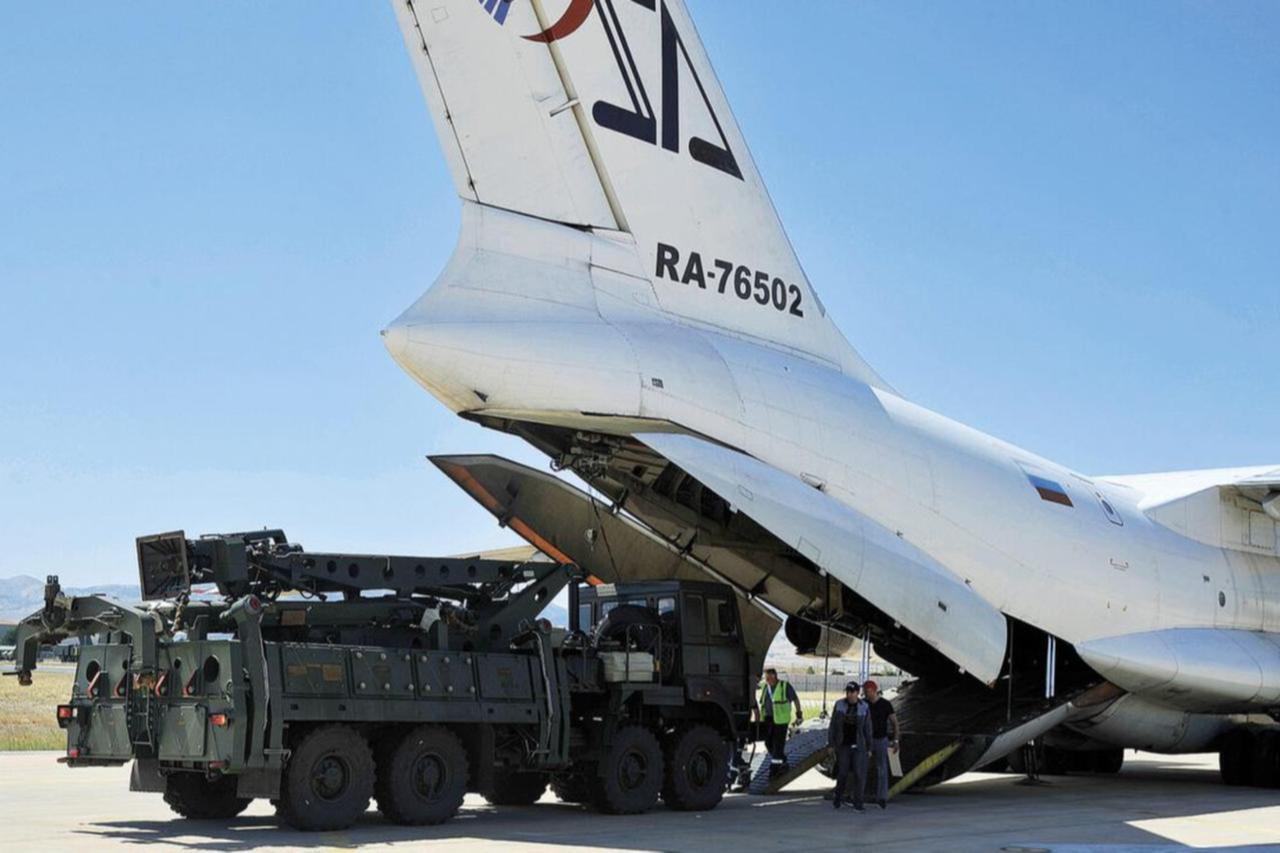
The potential transfer of Türkiye’s Russian-made S-400 air defense systems to a nation supportive of Moscow has gained attention, as confirmed by Kremlin spokesman Dmitry Peskov. This discussion highlights the ongoing complexities of international defense relations and the geopolitical dynamics surrounding military technologies.
The Status of S-400 System Transfers
Peskov confirmed that the subject of transferring the S-400 systems is actively being deliberated, though he avoided specifying a potential recipient country or the details of ongoing discussions. His statements come on the heels of Russian Foreign Minister Sergey Lavrov’s remarks indicating that Moscow would entertain proposals for such a transfer. However, any decision would hinge on Russia’s formal consent, given the original end-user agreement, which underscores the strategic significance of the equipment.
Lavrov emphasized that any recipient must be deemed responsible and friendly by Moscow, as Russia seeks assurances that the systems will not be relocated elsewhere post-transfer. This scrutiny underscores the sensitivity of military technology transfers in the current geopolitical climate. Notably, Ankara has yet to formally request such an arrangement, signaling that the dialogue is still in preliminary stages.
Turkey’s Ongoing Discussions
Turkish Foreign Minister Hakan Fidan mentioned over the weekend that Ankara is holding discussions about the S-400 with various parties, yet he refrained from offering a timeline for a conclusion or confirming any locations for potential transfers. Fidan assured that any developments would be shared publicly once finalized. This openness suggests that Türkiye is managing its diplomatic communications carefully, as the implications of such transfers could have significant geopolitical repercussions.
The acquisition of the S-400 by Türkiye in 2019 had detrimental impacts on its relationship with the U.S., leading to Ankara’s exclusion from the F-35 fighter jet program and imposing sanctions under the Countering America’s Adversaries Through Sanctions Act (CAATSA). This backdrop adds a layer of complexity as Türkiye seeks to balance its defense interests with diplomatic relations, particularly with NATO allies.
Potential UAE Involvement
Recent reports alleged that Türkiye may consider transferring its S-400 systems to the United Arab Emirates (UAE) as part of efforts aimed at rejoining the F-35 program. The prospect involves placing these systems in the UAE, which already operates U.S.-made THAAD and Patriot systems. Yet, any transfer would necessitate approval from Moscow, making the outcome uncertain.
Sources indicate that talks regarding the UAE have not progressed significantly, leaving Türkiye’s hopes for acquiring F-35 jets in a state of limbo. Another option under consideration is the complete deactivation of the S-400 systems instead of transferring them, a move that may face opposition in the U.S. Congress. Some lawmakers argue that Türkiye should fully divest from the S-400 before receiving F-35 aircraft, revealing an intricate interplay of domestic policy and international relations.
Long-term Implications
U.S. Ambassador to Türkiye, Tom Barrack, noted that resolving the legal and regulatory challenges surrounding the S-400 will require time due to existing Congressional mandates. Emphasizing the importance of defense cooperation, he noted that Türkiye stands as the second-largest NATO ally and plays a crucial role in regional alliances.
As of now, no formal agreement has been made to transfer the S-400 systems, nor has any third nation been officially identified as a potential recipient. The path ahead will require careful navigation of diplomatic waters, given the strategic implications for Türkiye, Russia, and their relations with Western nations. The outcome of these discussions could have far-reaching consequences for defense alliances and geopolitical stability in the region.