
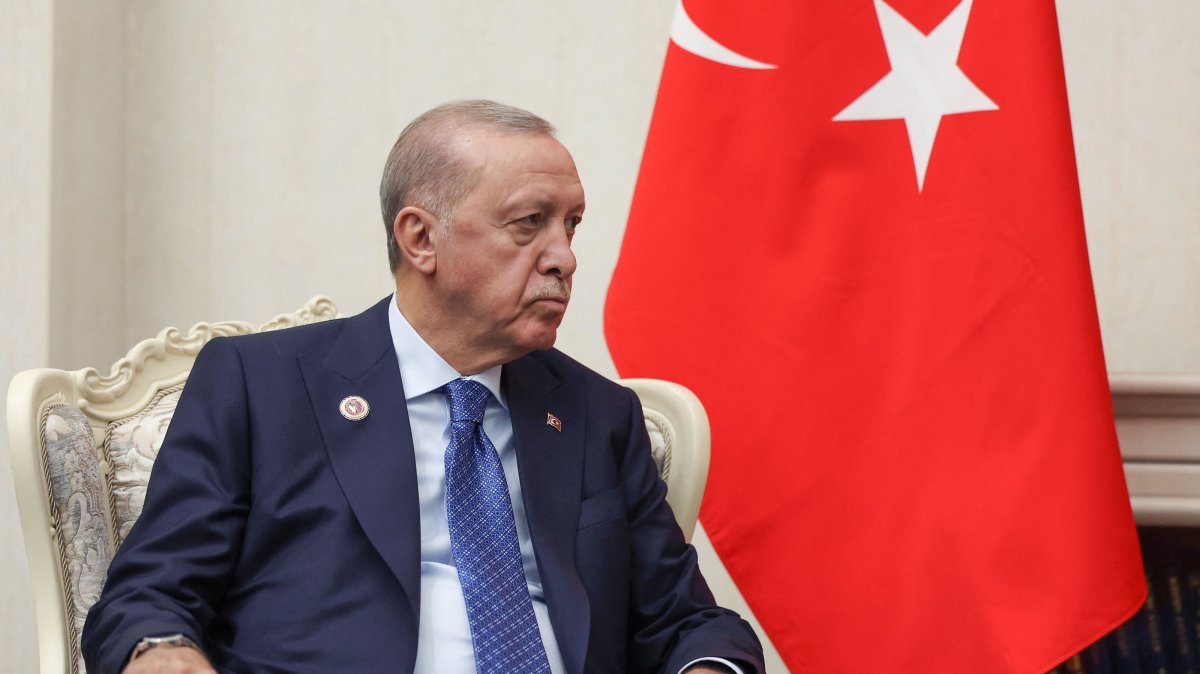
Türkiye’s role in global diplomacy is increasingly multifaceted, evident in its participation at the recent Shanghai Cooperation Organization (SCO) summit. The Mecca Joint Defense Agreement, which has garnered international attention recently, has solidified security collaborations between Türkiye, Pakistan, and Saudi Arabia. As additional countries consider joining this emerging alliance, Türkiye is strategically positioning itself to be a pivotal player in a new global power framework.
Emphasizing Peace Over Conflict
In a world rife with conflict and war rhetoric, Türkiye is championing a diplomatic approach centered on peace. The nation’s foreign policy is characterized by an intricate web of alliances, notably underscored by its NATO membership and the newly minted Mecca Agreement. President Recep Tayyip Erdoğan has expressed that Türkiye could explore full SCO membership, indicating an openness to deepening its engagement with this multilateral platform. His remarks emphasize that Türkiye’s alignment with the SCO does not equate to a pivot away from its Western partnerships.
A Strategic Balancing Act
At first glance, Türkiye’s efforts to engage with different geopolitical entities might seem disparate, but they represent a coherent strategic vision. Rather than aligning strictly with one bloc in the global power struggle, Türkiye is positioning itself as a central player capable of navigating multiple alliances. Erdoğan articulates this strategy as one of increasing Türkiye’s influence through a “360-degree vision,” demonstrating a commitment to enhancing its global standing through diverse relationships.
Expanding Diplomatic Horizons
Türkiye’s diplomatic ventures are not confined to the relationships with the SCO, NATO, or the Middle East. The nation is actively forging partnerships in Central Asia, Africa, and the Balkans. The Syrian civil war has significantly reshaped Türkiye’s alliances, revealing the limitations of traditional partnerships in ensuring national security. The withdrawal of NATO-linked defense systems, which coincided with escalating missile threats, led Türkiye to develop its own advanced defense capabilities, such as the S-400 missile system.
Additionally, Türkiye’s initial push for improved dialogue with the U.S. and its Western allies has strengthened considerably in recent years. Ankara has maintained its crucial role within NATO while simultaneously broadening its diplomatic outreach across a vast geography extending from the Gulf to Central Asia.
Building a Multipolar World
The urgent need for multicentric diplomacy is becoming increasingly apparent as the world transitions into a multipolar landscape. Türkiye is deftly enhancing its economic relations and security networks across various regions, distinguishing itself from other NATO allies. This unique position, described as an “independent variable,” allows Ankara to leverage its relationships with different power centers for enhanced strategic capacity.
As the international discourse shifts, U.S. foreign policy is also evolving, focusing on pressing issues such as energy and critical resources. Within the SCO framework, a multitude of topics, including defense technology and resource sharing, come to the forefront, providing Türkiye with additional opportunities for collaboration.
In this emerging multipolar world, Türkiye’s strategic framework emphasizes extensive alliances while adhering to principles of peace, diplomacy, and international law. Rather than merely aligning with existing blocs, Türkiye seeks to carve out a unique role as a central nation, adept at navigating complex global dynamics to suit its strategic interests.