
The Israel Allies Foundation (IAF), led by President Josh Reinstein, has characterized Türkiye as a “common adversary” to Israel and the Greek Cypriot administration (GCA). This declaration coincided with the formation of a parliamentary caucus within Cyprus, as reported by the Greek Cypriot media. This initiative raises questions about foreign influence and transparency in the region, especially as the American Israel Public Affairs Committee (AIPAC) also recently visited the island.
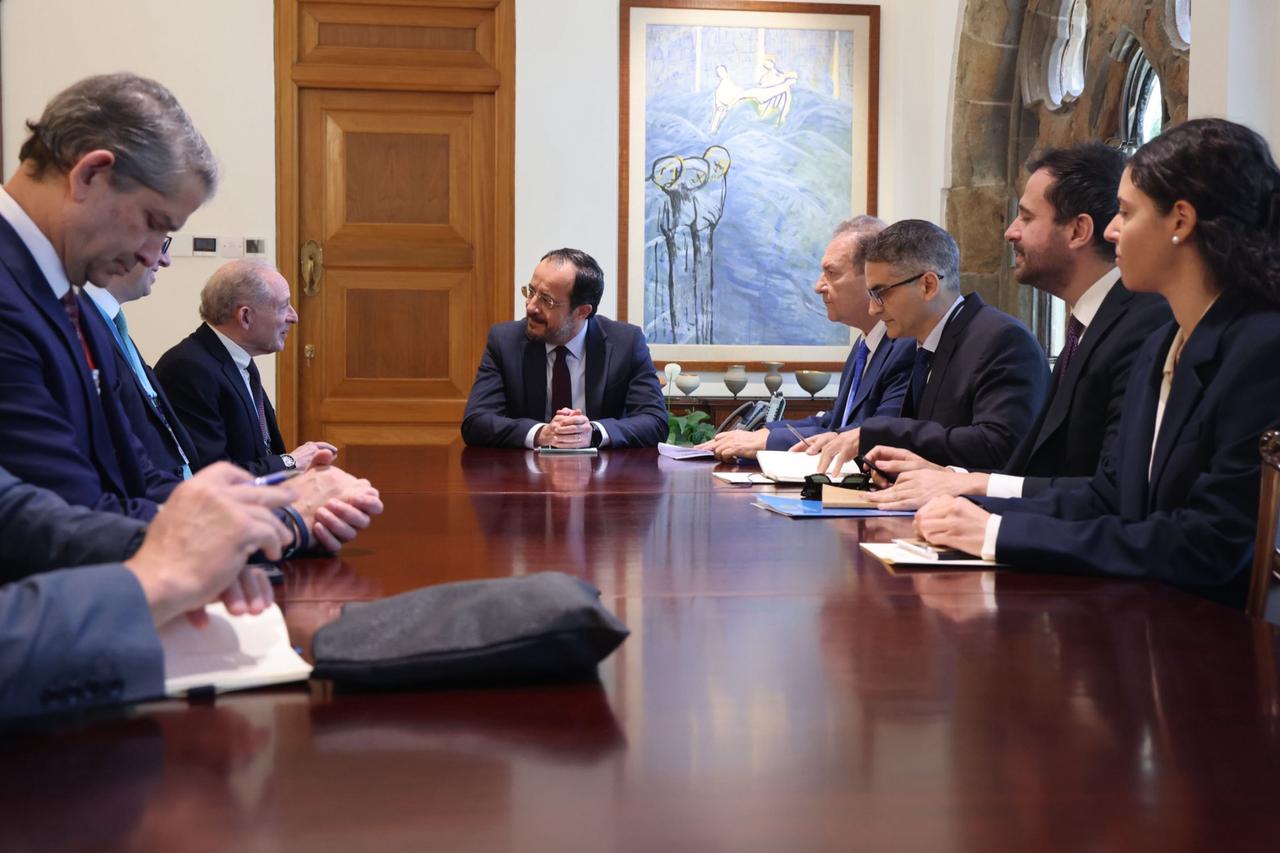
Reinstein made his comments following discussions with Nikos Christodoulides, the Greek Cypriot leader. He emphasized the growing ties between Israel and the GCA, asserting that these relations have significantly advanced under Christodoulides’ leadership, largely due to their mutual challenges with Türkiye. He highlighted economic collaboration and initiatives like undersea fiber-optic projects, which symbolize a deepening partnership.
### Israel-Greek Cypriot Relations: A Strategic Alliance
Reinstein is not alone in his views; lawmakers from multiple parties have joined forces to enhance parliamentary diplomacy with Israel. Chrysis Pantelides of the Democratic Party (DIKO) revealed that the caucus comprises six members from different political backgrounds, aiming to foster a collective front against perceived threats, particularly from Türkiye’s expansionist policies. The aim is to strengthen alliances while tackling the complexities in the Eastern Mediterranean and Middle East.
The recent establishment of this caucus is significant; it marks the 68th pro-Israel caucus initiated by the IAF since its inception nearly two decades ago. This new group within the Cypriot parliament joins a network of 1,700 legislators from 68 countries, further solidifying Israel’s international alliances. Reinstein highlighted this strategic move as part of a broader effort to align with Cyprus, Greece, and the United States, noting the importance of U.S. support in this geopolitical landscape.
### AIPAC’s Role and Regional Tensions
The AIPAC delegation’s visit, which follows the establishment of the new caucus, underscores their commitment to strengthening security partnerships in the Eastern Mediterranean. Led by outgoing President Bernard Kaminetsky and incoming President Yehuda Neuberger, their meeting with Christodoulides focused on enhancing trilateral cooperation among Israel, the GCA, and the U.S. However, AIPAC has faced its share of scrutiny regarding its influence in U.S. politics, leading to recent changes in its operational strategies.
Controversially, another group known as the Transatlantic Friends of Israel (TFI) has also set up a chapter in Cyprus, aiming to persuade European governments of Israel’s importance to Western security. This proliferation of pro-Israel groups has sparked criticism from various political factions within Cyprus. The party Volt Cyprus, for instance, has vocalized concerns over the influence of foreign lobbies in the Cypriot parliament, specifically addressing the potential risks associated with aligning closely with Israel.
### Critical Perspectives on Alliances
Volt Cyprus’ statement stressed the dangers of a partnership with Israel, citing allegations against its leaders regarding human rights abuses and war crimes. They fear that closer ties may lead to Cyprus becoming embroiled in conflicts with Türkiye, contrary to its national interests. The party pointed out that uncritical support for Israel could escalate tensions, ultimately putting Cyprus in a precarious position instead of acting as a strategic ally.
As geopolitical dynamics shift, the formation of these pro-Israel alliances within Cyprus not only signifies a move towards closer relations with Israel but also raises important questions about sovereignty and the impact of foreign influence on local policies. The situation continues to evolve, with stakeholders keenly watching the developments that will define the region’s future relationships and security.