
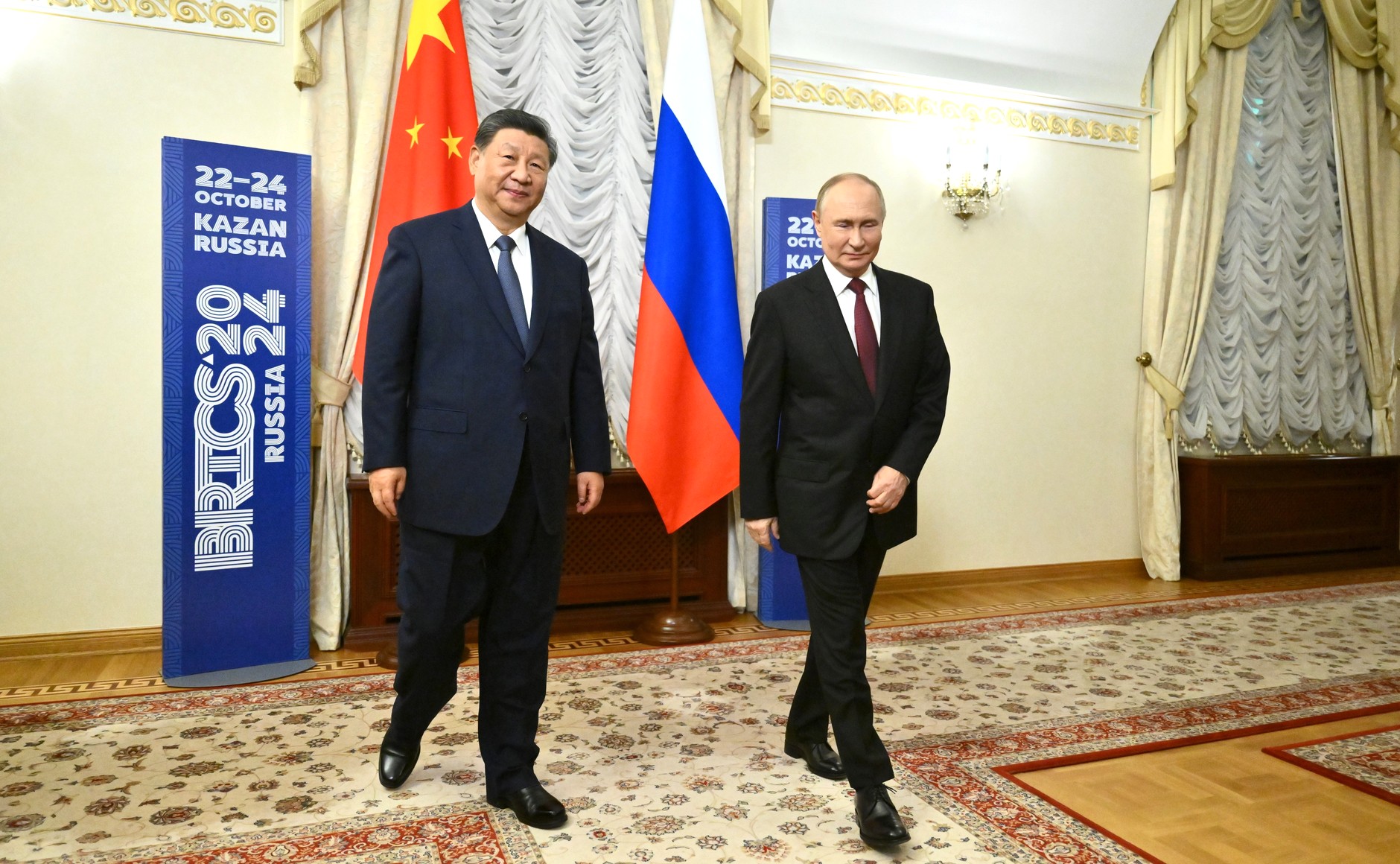
Vladimir Putin’s foreign policy team may be feeling anxious as they prepare to inform the Russian leader about recent developments. Strain is growing in Russia’s relationship with China, evidenced by significant refusals from the Chinese Communist Party that could impact Moscow’s ambitions.
The Snub from China
Recently, China has turned down Russia’s request to supply marine propulsion systems crucial for vessels operating along the Arctic “northern sea route.” This refusal adds to the Kremlin’s growing concerns, particularly as it seeks to expand its presence in the Arctic region. Additionally, the prospective Power of Siberia 2 gas pipeline appears to be losing momentum, primarily due to China’s insistence on a price reduction. Beijing is demanding a rate of $50 per 1,000 cubic meters, which is only a fifth of the price Moscow was willing to offer, even amid existing discounts. This predicament places Russia in a precarious position, with dwindling options and the clock ticking towards its European Union gas sales coming to a halt next year.
Russia’s Increasing Vulnerability
The geopolitical landscape is shifting, with countries looking to capitalize on Russia’s vulnerabilities. Facing significant military setbacks, including Ukrainian attacks on its refineries, Moscow has begun importing refined products from China, further diminishing its bargaining power. As Russia’s options narrow, international players perceive an opportunity to assert their independence from Moscow’s influence, further complicating the Kremlin’s strategic calculations.
Regional Reactions to Russian Weakness
Various nations are responding to Russia’s weaknesses with movements that signal a change in allegiances. Kazakhstan recently instituted a ban on most imports of Russian wheat, signaling displeasure with Moscow amidst ongoing tensions. Simultaneously, Azerbaijan’s President Ilham Aliyev has publicly supported Ukraine and expressed clearly that his country aligns with Ukraine’s territorial integrity. Armenia is advancing its plans to enhance rail connections to Turkey and Azerbaijan, a move that showcases its willingness to act unilaterally, even in the face of traditional Russian oversight over regional transport routes.
The Broader Implications
As nations like Kazakhstan and Azerbaijan assert themselves, there’s a palpable shift in regional dynamics that could redefine alliances. These developments not only indicate a loss of influence for Russia but also suggest a broader regional realignment that may further isolate Moscow. The stakes have risen as countries flex their muscles, knowing that Russia is grappling with significant internal and external crises. The shift in regional politics is poised to have long-lasting implications for both Russia and its former allies, compelling the Kremlin to reevaluate its foreign policy strategy moving forward.
In summary, the choices made by countries neighboring Russia reflect an opportunity for change in a landscape marred by Russian overreach. The balance of power is shifting, and Moscow must confront the reality that its influence is waning, leading to a precarious situation that could redefine geopolitics in the region.