
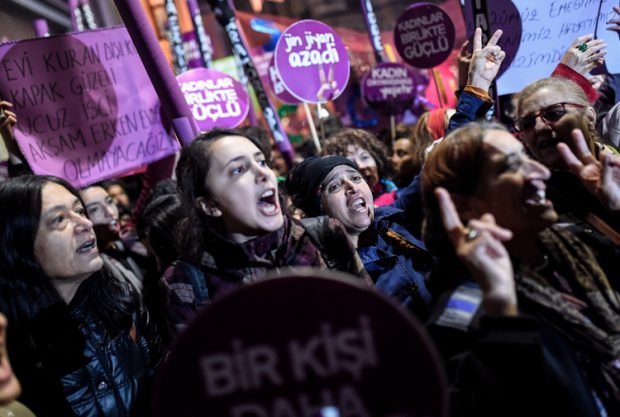
Turkey faces a significant challenge regarding the provision of shelters for women fleeing from domestic violence. Advocates highlight the critical shortage of safe spaces, compounded by the inadequate enforcement of protective measures. As a result, many women find themselves without reliable options when escaping abusive situations.
Limited Shelter Availability
As of 2026, Turkey has established 150 women’s shelters, with 112 operated under the Ministry of Family and Social Services. This limited network can accommodate just 3,650 individuals, a stark inadequacy considering the needs of approximately 43 million women in the country. Such statistics raise concerns about the safety and security of women attempting to flee abusive environments, making it clear that significant improvements are required.
Lawyer Mehtap Sert has voiced concern about the current protection system, stating that women often face further risks when shelters are full. Instead of being able to access safe accommodations, many are referred to other institutions or even relocated to different cities. This not only heightens the vulnerability of those escaping violence but detracts from their chances of receiving the immediate state aid they require.
International Criticism and Local Response
International bodies have also scrutinized Turkey’s shelter capacity. In its 2018 evaluation, GREVIO—the Council of Europe’s monitoring body for the Istanbul Convention—called for the expansion of shelters to adequately meet the demand. Similarly, the United Nations Committee on the Elimination of Discrimination against Women has highlighted the inadequacy of Turkey’s shelters in recent reports. The lack of sufficient resources puts countless women at risk, limiting their options during critical moments.
Turkey was initially a pioneer in signing the Istanbul Convention in 2011, yet the nation’s withdrawal from this vital treaty in March 2021 has raised alarms. President Recep Tayyip Erdoğan’s decision was met with heavy criticism from rights organizations, which argue that it jeopardizes protections for domestic violence victims and diminishes accountability for those who perpetrate such crimes.
The Legal Framework and Implementation Issues
According to Law No. 6284, measures such as secure accommodations and protection orders exist to safeguard women from violence. However, the efficacy of this legislation is severely hampered by lack of implementation and oversight. Many reported cases reveal that violations of protective orders often go unpunished, thereby failing to protect vulnerable women effectively. For instance, in 2025, 23 women lost their lives despite having existing protection orders in place.
The Women’s Solidarity Foundation’s monitoring report from September 2025 described the inadequacy of shelters relative to demand, noting that some provinces lack shelter entirely. There are calls for alternative solutions, such as providing temporary accommodations in public facilities or transferring women to safer locations, rather than forcing them back into hostile environments.
As efforts to expand shelter options are underway, the Ministry of Family and Social Services has announced plans to open four new shelters in various provinces. Furthermore, Turkey operates 86 Violence Prevention and Monitoring Centers designed to coordinate essential services for those facing violence. Still, experts like Sert argue that progress is too slow, and the withdrawal from the Istanbul Convention significantly jeopardizes the enforcement of existing laws.
In summary, while Turkey recognizes the need for safe havens for women escaping violence, actual implementation of supportive measures remains insufficient. Revisions to existing laws, coupled with increased resources and enforcement, are essential in providing meaningful protection for vulnerable women throughout the nation.