
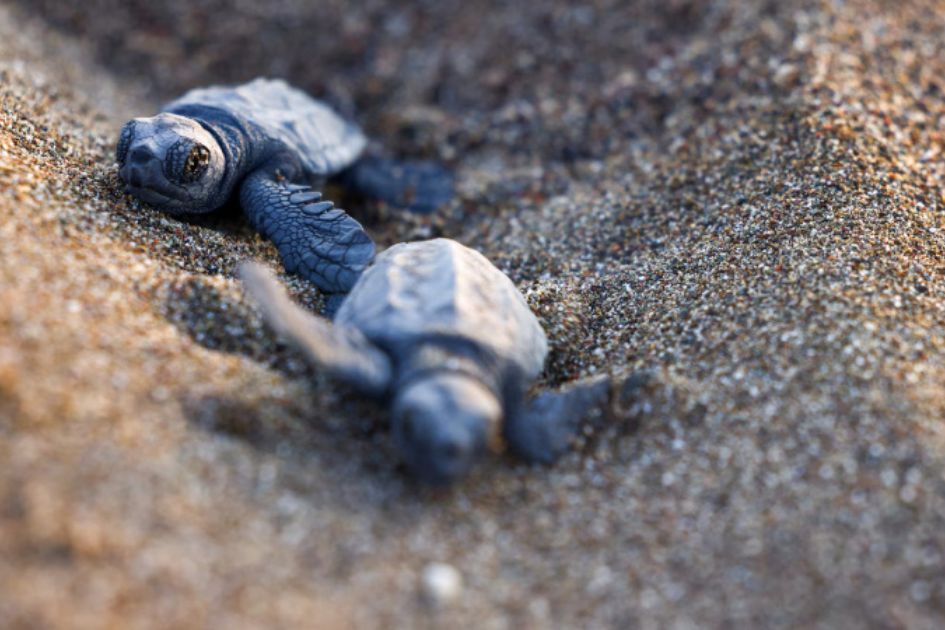
Scientists are raising alarms about the threats facing Mediterranean sea turtles, particularly loggerhead turtles, due to hotter nesting sands, fishing nets, and plastic pollution. These challenges highlight the urgent need for enhanced conservation efforts and better international collaboration to safeguard future generations of this vulnerable species.
Rising Temperatures Disrupt Nesting Patterns
The increasing temperatures in the Mediterranean are significantly impacting the breeding habits of loggerhead sea turtles. As a result, there is a concerning trend toward a higher proportion of female hatchlings. This imbalance threatens the long-term survival of the species, particularly as Turkey approaches the COP31 United Nations climate summit set for next month. Along the Turkish Mediterranean coast, young turtles hatch at night and make their way to the sea, a natural event that scientists warn is becoming increasingly endangered due to climate change.
At iconic sites like Iztuzu Beach, biologists and dedicated volunteers work tirelessly to monitor nesting sites along a four-kilometer sandbar. They’re aware that the rising temperatures are having detrimental effects on turtle nesting patterns. Pyramid-shaped cages are employed to protect vulnerable eggs from predators such as foxes. While the beach is bustling with tourists during the day, it transforms into a crucial conservation area for these endangered marine creatures at night.
Climate Change Exacerbates Vulnerabilities
Researchers have noted that loggerhead turtles are invaluable indicators of environmental shifts in the Mediterranean, which has been experiencing a steady warming trend since the early 1980s. Reports confirm that European waters have recorded their hottest summer months, resulting in serious implications for coastal communities. Higher temperatures are not only warming turtle nesting beaches but also influencing the sex ratio of hatchlings, with warmer sands yielding more females. Unlike mammals, the sex of sea turtle hatchlings is determined by the nest’s temperature, making them particularly vulnerable as climate change intensifies.
Ecologist Ayfer Sirin has conducted in-depth research to explore these changes. In her studies, she found a direct correlation between rising temperatures, earlier nesting seasons, and shorter incubation periods. Alarmingly, about 70 percent of the hatchlings at some sites like Patara Beach were identified as female, suggesting that altering turtle behaviors may not be a sufficient countermeasure against the impact of climate change.
Human Activities and International Cooperation
The increasing threats from human activity, such as fishing and plastic pollution, further complicate the situation for loggerhead turtles. Female turtles typically return to the same beaches decades after hatching to lay their eggs, but shifting marine ecosystems are prompting changes in nesting patterns. As these turtles adapt, Iztuzu Beach remains a vital nesting ground, producing around 30,000 hatchlings each season. Conservation efforts are crucial to help these hatchlings navigate the myriad dangers they face, including fishing nets and pollution.
Injured turtles are often treated at facilities like the Dekamer rehabilitation center, where they recover from injuries caused by boat propellers and other hazards. Shockingly, about 60 percent of the turtles admitted to the center have plastic waste in their digestive systems, underscoring the urgent need for pollution management. Conservationists emphasize that even small acts, like improperly discarding plastic, can have lethal consequences for these marine animals.
As Turkey prepares to host COP31, the discussions are expected to prominently feature marine conservation. The survival of loggerhead turtles underscores the broader challenges facing marine biodiversity. With their extensive movements across national waters, the imperative for international collaboration becomes evident. The future of these turtles and Mediterranean ecosystems relies on collective action and dedicated conservation efforts from multiple nations.