
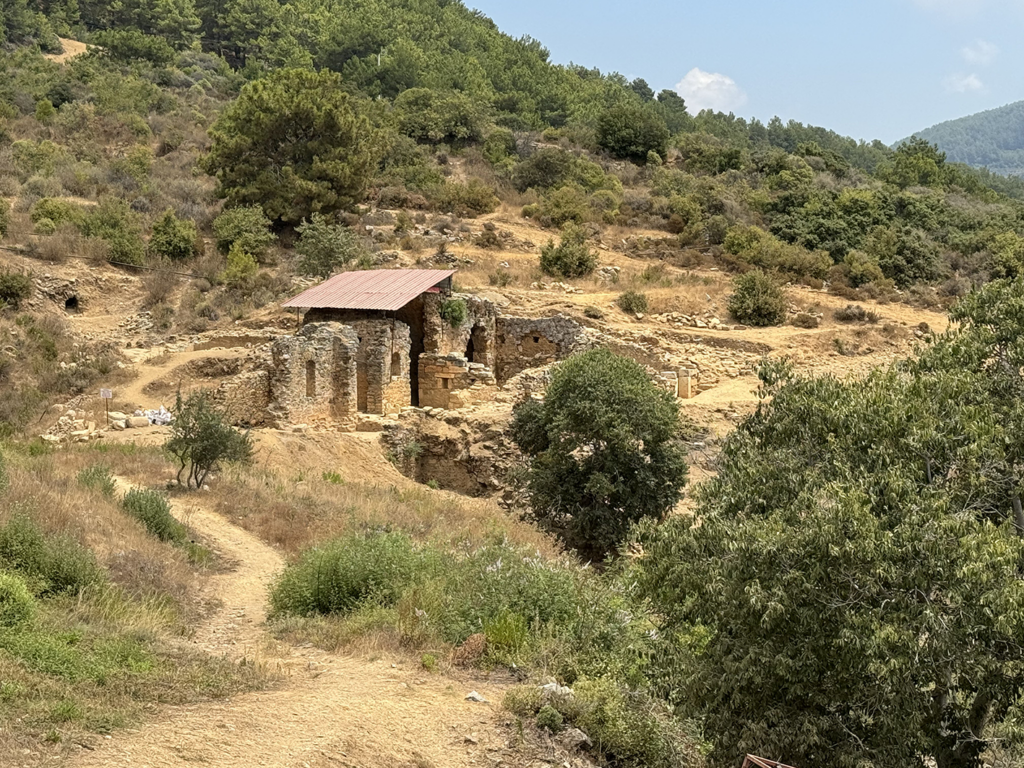
The transformation of ancient sites continues to pique interest among archaeologists and history enthusiasts. A fascinating discovery unfolds in Türkiye, where a Roman bath has been repurposed into a large-scale production facility for wine and olive oil. This unexpected evolution sheds light on the innovative practices of the Romans and offers intriguing insights into the economic aspects of ancient life.
The Discovery of the Roman Bath
Recent excavations have revealed that a Roman bath, originally constructed for leisure and hygiene, served a more utilitarian purpose over time. Archaeologists stumbled upon a variety of artifacts and structures while investigating this site, leading to the realization that the bath was adapted for extensive agricultural production. The findings include a massive 2,900-liter vat and ancient pressing mechanisms, indicating a shift in function from relaxation to industrial utility.
Such adaptations were not uncommon in the Roman Empire, where resources often dictated the use of space. As commerce flourished, many public structures were reevaluated to maximize productivity, reflecting the Romans’ ability to efficiently manage their urban landscapes.
Eating and Industry: Ancient Viticulture and Olive Production
In exploring this repurposed bath, the emphasis on viticulture and olive oil production emerges as a central theme. The existence of large storage vats suggests a focus on large-scale wine production, which was a staple in Roman culture and cuisine. Olive oil, on the other hand, played an essential role not just in cooking but also in various aspects of daily life, from lighting to personal care.
With this discovery, researchers can gain valuable insights into the agricultural practices of the period. The scale of production indicated by the artifacts makes it clear that this site was a significant contributor to the local economy, perhaps supplying olives and wine to surrounding areas. This aspect of ancient life—how people sustained their needs through agriculture—holds particular relevance in understanding the broader societal structures of the Roman Empire.
Impact on Local and Global Trade
The findings at this site have implications that reach beyond regional impacts; they offer a glimpse into the trade networks of the ancient world. The products of this bath-turned-production complex would have traveled far and wide, reinforcing the interconnectedness of Roman society. As these goods were exchanged, local economies would flourish, fostering trade relationships that were integral for both cultural exchange and economic stability.
Moreover, this discovery aligns with archaeological studies revealing a pivotal focus on the Mediterranean in ancient trade routes. The ability to process and distribute wine and olive oil effectively indicates a sophisticated understanding of supply chains, contributing to overall societal growth during the Roman period.
Conclusion: Reflections on Roman Ingenuity
This remarkable site serves as a powerful reminder of Roman ingenuity and adaptability. The journey of a once-solemn public bath evolving into an industrial facility exemplifies the innovative spirit of ancient civilizations. As new findings continue to emerge from excavations across Türkiye and beyond, they not only enrich our understanding of history but also reaffirm the relevance of archaeological study in tracing the roots of modern practices. The Roman bath, in its new guise, represents a fascinating nexus of social, economic, and cultural dynamics that still resonate today.