
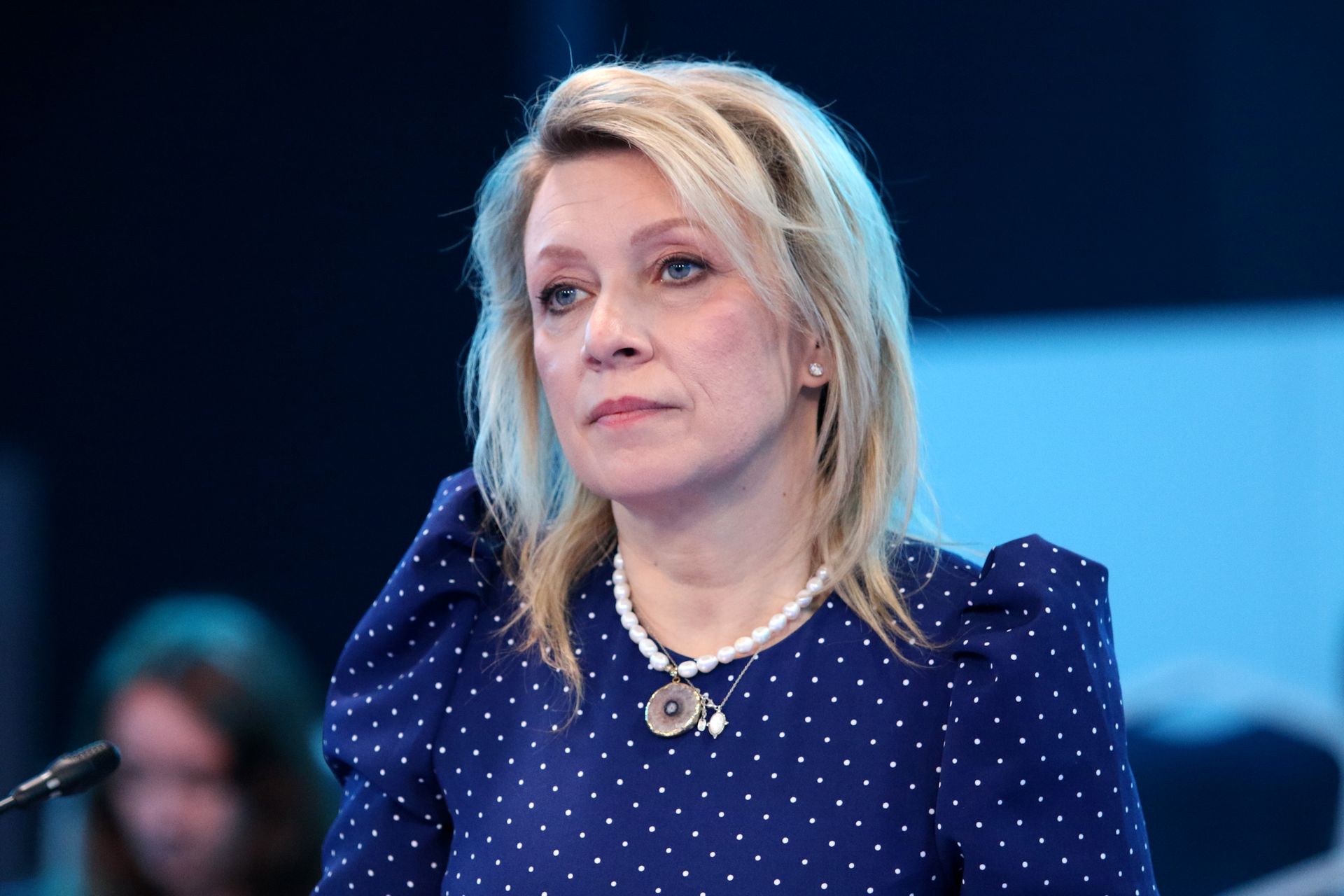
The Kremlin has expressed its concerns about a significant arms transfer to Ukraine, prompting communication with officials in both Washington and Ankara. Russian Foreign Ministry Spokesperson Maria Zakharova made these comments on August 15, highlighting tensions surrounding military support to Kyiv amidst ongoing hostilities.
Concerns Over Arms Supply to Ukraine
Zakharova’s statements follow revelations from U.S. congressional records indicating Turkey’s plans to re-export a considerable arsenal of American-made weaponry to Ukraine. This shipment reportedly includes 70 long-range Army Tactical Missile Systems (ATACMS) and other military supplies. Zakharova warned that such a delivery could severely impact the already strained bilateral relations between Russia, the U.S., and Turkey.
The Russian Foreign Ministry articulated that supplying arms to Ukraine undermines efforts by both Washington and Ankara to mediate in the conflict with Moscow. Zakharova emphasized that the contradictory stance of promoting peace while simultaneously funneling weapons into Ukraine further erodes mutual trust, particularly in light of Turkish officials’ assurances that they would refrain from sending lethal aid to Kyiv.
Turkey’s Role as a Mediator
Turkey has strategically positioned itself as a potential peace broker throughout the Russia-Ukraine war, maintaining close political and economic relations with Moscow while supplying arms to Ukraine. This dual approach raises complexities in diplomatic relationships, especially as Turkey continues to facilitate important initiatives, such as the Black Sea Grain Agreement from 2022. This deal created a safe passage for maritime exports of grain and fertilizers from Ukraine, showcasing Turkey’s influential role in regional diplomacy.
Furthermore, Turkey has hosted trilateral discussions involving the U.S., Ukraine, and Russia, aiming to seek resolutions to the conflict. However, these negotiations have yet to yield a ceasefire or comprehensive agreement, making the situation increasingly tenuous and reliant on varying political interests.
Implications on U.S. Military Support
The geopolitical landscape complicates under the influence of past U.S. administrations. For instance, former President Donald Trump’s second term began with intentions to resolve the conflict in Ukraine, yet his administration ultimately scaled back military assistance. The “America First” doctrine promoted a focus on diplomatic solutions at the expense of robust military support. This shift left Ukraine increasingly dependent on other allies for crucial weapons systems.
Reports indicate that Turkey aims to upgrade its military capacity by offloading older weaponry. The package for Ukraine not only includes 70 M39 ATACMS missiles but also encompasses 12 M270 multiple-launch rocket systems, over 2,000 cluster munitions, and 47,000 howitzer rounds. Zakharova reiterated that these arms would inflict “multifaceted damage” on both military targets in Russia and the essence of trust between the involved nations.
Seeking Clarification from Allies
In light of the impending arms transfer, the Russian Ministry of Foreign Affairs has reached out to both Washington and Ankara seeking clarification on the matter. Zakharova believes there is still an opportunity for the involved parties to reassess the situation with a clearer perspective, hinting at the potential for reevaluation of strategies in what is becoming an increasingly complex conflict.
As tensions rise with ongoing military support to Ukraine, the interplay between diplomacy and military actions remains delicate, highlighting the need for careful navigation in international relations amid a war that continues to evolve.