
Iran has reportedly been invited to join the Mecca Agreement for Mutual Defense, a security alliance formed by Saudi Arabia, Turkey, and Pakistan. This new development has implications for regional security dynamics, emphasizing the growing trend towards collaborative defense initiatives in the Middle East. The invitation, however, remains unverified by the foreign ministries of the involved countries, including Iran.
The Mecca Agreement Explained
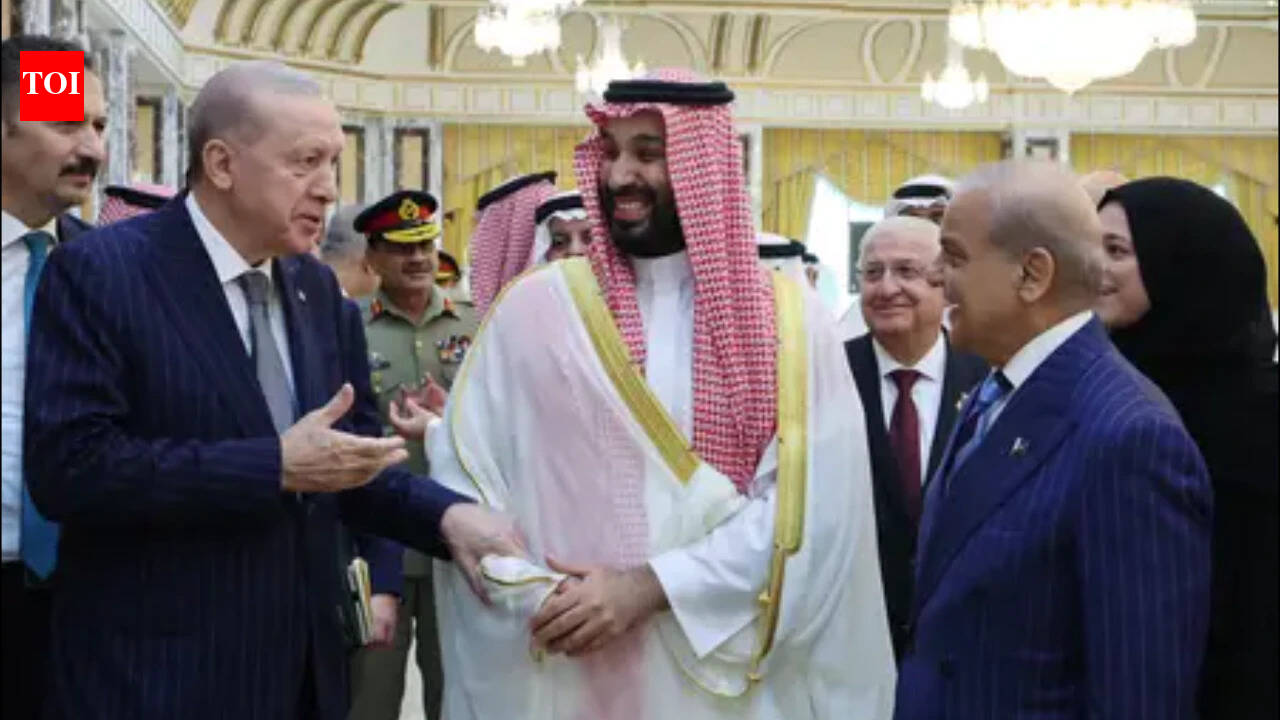
The Mecca Agreement was officially signed on August 7 by key leaders: Saudi Crown Prince Mohammed bin Salman, Turkish President Recep Tayyip Erdogan, and Pakistani Prime Minister Shehbaz Sharif. This pact is significant, as it establishes a mutual defense commitment whereby an armed attack against any of the three countries will be considered an attack against all member states. Such a framework is reminiscent of NATO’s Article 5, yet Turkish Foreign Minister Hakan Fidan has emphasized that this alliance is not aimed at countering Iran or any specific country.
The rationale behind the Mecca Agreement centers around strengthening regional stability through collaborative military and diplomatic efforts. According to Mehdi Rahimi, the head of Iran’s parliament’s Khaneh Mellat news agency, the invitation is currently under consideration by Iranian officials. Rahimi notes that neighboring countries are increasingly recognizing the need for a united front to tackle shared security challenges. This move aligns with Iran’s longstanding advocacy for regional security mechanisms.
Implications for Regional Alliances
The invitation to Iran, if accepted, could mark a transformative shift in regional alliances. Enhanced collaboration among Middle Eastern nations could foster peace and counter potential threats, thereby reducing tensions that have historically defined the region. Iran’s participation would not only bolster its security posture but also signal a willingness to engage in cooperative security frameworks aimed at mutual benefit, potentially reshaping the geopolitical landscape.
As part of the Mecca Agreement, the three nations are working towards establishing diplomatic and military coordination. Plans include regular meetings among foreign and defense ministers, military exercises, and joint ventures in defense industries. This comprehensive approach aims to improve interoperability among member states, enhancing overall defense readiness.
Potential Expansion of the Alliance
Turkey has indicated that the Mecca Agreement could expand to include additional nations in the future. Egypt has been mentioned as a prospective new member, illustrating the alliance’s potential to grow and incorporate further regional powers. The inclusion of more states might not only strengthen mutual security but also present a united front in addressing common geopolitical challenges, which could lead to broader stability in the Middle East.
The evolving nature of regional security alliances like the Mecca Agreement highlights the importance of diplomatic engagement and multilateral cooperation in today’s complex geopolitical environment. By inviting Iran into this framework, Saudi Arabia, Turkey, and Pakistan may pave the way for a new era of interaction among Middle Eastern nations, promoting a collaborative approach to security that could bolster peace in a historically contentious landscape.
In conclusion, the invitation for Iran to join the Mecca Agreement could lead to significant changes in regional dynamics, emphasizing a collective approach toward security while highlighting the need for ongoing diplomatic discourse. As the situation develops, it will be crucial to monitor how these relationships evolve and the implications they have for both regional and international stability.