
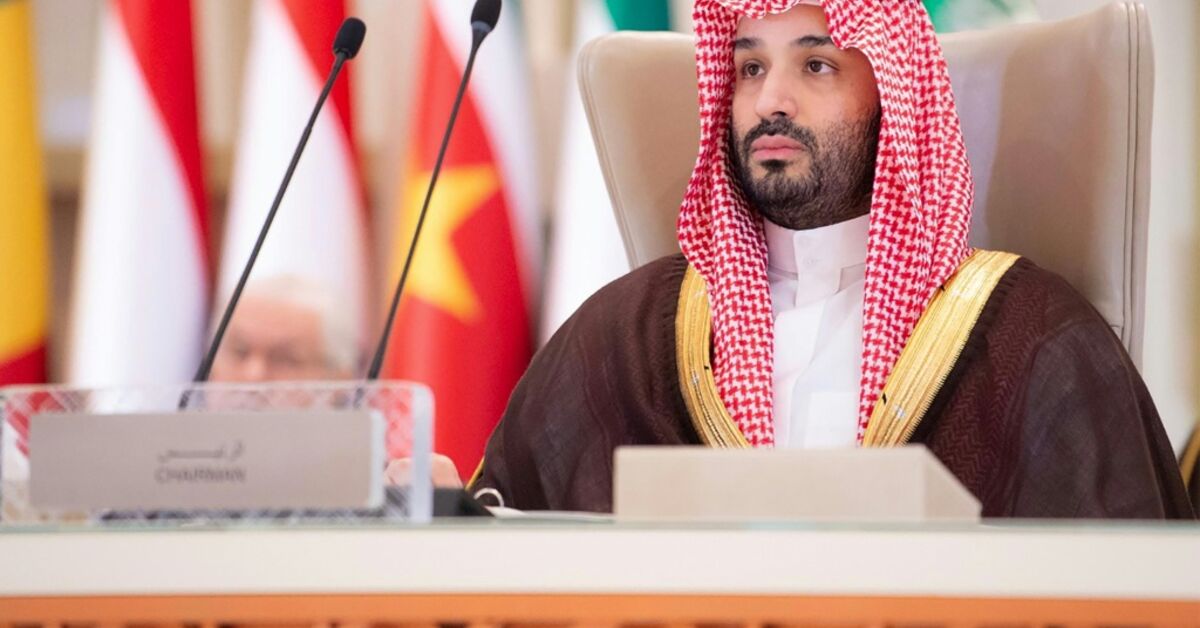
Saudi Arabia, Turkey, and Pakistan recently formalized a joint defense agreement amid rising regional tensions stemming from Houthi attacks and the ongoing conflict between the US and Iran. This pact symbolizes their commitment to enhance security collaboration in a volatile environment, addressing the shifting dynamics in regional alliances.
Strengthening Security Alliances
Riyadh’s overarching goal is to bolster its defense against the backdrop of escalating hostilities attributed to the US-Iran conflict, which has ramifications reaching well beyond its borders. The war has given Iran and its Houthi allies in Yemen a boost, with renewed aggression directed towards Saudi Arabia. As a result, the perception among analysts is that the United States may no longer be viewed as a reliable partner, prompting Riyadh to explore alliances closer to home.
Following extensive discussions, the three countries publicly unveiled the “Mecca Joint Defence Agreement,” which expresses a unified commitment to enhancing their collective security. According to statements from the Saudi press agency and the Pakistani foreign ministry, any attack on one of the member states will be considered an assault on all, underscoring the intent to reinforce deterrent capabilities. This pact marks a significant pivot in regional defense policy, as Saudi Arabia has increasingly aligned itself with Turkey and Pakistan, both of which have taken on roles as mediators in the regional crises.
A Shift in Strategic Focus
Experts suggest that this agreement reflects a strategic shift as Saudi Arabia seeks to diversify its security relationships beyond its traditional reliance on the United States. Andreas Krieg from King’s College London pointed out that the trio isn’t trying to replace the US; instead, they are enhancing their ability to safeguard their interests independently. Saudi Arabia aims for what Krieg describes as “layers of security,” diminishing vulnerabilities that have surfaced in light of the ongoing conflict.
In pursuing this agreement, Saudi Arabia, Turkey, and Pakistan are not only forging a united front but also positioning themselves as pivotal players in regional security. The pact enables Saudi Arabia to project itself as a stabilizing force while affording Turkey and Pakistan a greater political voice and potential access to vital investments from Riyadh. This trilateral cooperation was further consolidated during meetings between their national leaders, demonstrating a tangible commitment to fostering closer ties.
A Growing Crisis in Yemen
The joint defense pact arrives at a crucial moment, as a cease-fire between Riyadh and Houthi rebels in Yemen has recently faltered. The Houthis have escalated their attacks on Saudi territory, further complicating an already fragile situation. Declaring a maritime blockade, they threaten maritime trade routes crucial for Saudi oil exports, exacerbating pressure on energy markets amidst Iran’s ongoing blockade of the Strait of Hormuz.
Since launching a military campaign in Yemen in 2015 to support the recognized government against Houthi insurgents, Saudi Arabia has faced increasing challenges. Tensions have surged, with violent confrontations re-emerging as the Houthis launched lethal missile and drone assaults, resulting in significant casualties among Yemeni government troops. This ongoing conflict has tragically led to a humanitarian crisis, displacing countless families and inflicting suffering on a massive scale.
In navigating this increasingly complicated landscape, the joint defense agreement among Saudi Arabia, Turkey, and Pakistan aims to not only safeguard their national interests but also stabilize a region beset by conflict and uncertainty.