
Introduction to the Trilateral Defense Pact
The recent trilateral defense agreement signed by Saudi Arabia, Turkey, and Pakistan is set to significantly enhance military cooperation among these nations. This collaboration, known as the “Mecca Pact,” will not only streamline arms sales from Turkey to Saudi Arabia but also create a more intertwined defense ecosystem, according to analysts.
The Scope of the Mecca Pact
Analysts assert that the Mecca Pact extends beyond mere arms transactions. Ali Bakir, a defense analyst at Qatar University, highlights that the pact encompasses elements like joint investments, technological transfers, indigenous production, and training initiatives. The ultimate goal is to evolve the relationship from a traditional buyer-seller dynamic into an authentic defense partnership. This pact, signed on August 7, strives to bolster collective deterrence against potential aggressors, ensuring that an armed attack on one member is perceived as an attack against all.
The implications of this collective defense commitment could soon be tested, especially given Saudi Arabia’s increased tensions with Iran. The defense collaboration aspect is projected to have lasting impacts, particularly benefitting both Riyadh and Ankara in their aspirations for greater defense autonomy and capability.
Saudi Arabia’s Vision 2030 and Turkey’s Role
Saudi Arabia is shifting its focus from merely importing military platforms to developing its domestic manufacturing and engineering capabilities, particularly in line with its Vision 2030 objectives. Serhat Süha Çubukçuoğlu, director of the Turkey program at TRENDS Research & Advisory, mentions that Turkey is ideally positioned to assist in this transition. Turkish defense systems are often less encumbered by political limitations when compared to traditional Western suppliers, especially the United States, allowing for more flexible localization options.
Although Turkey’s parliament must ratify the agreement for it to be fully operational, experts are optimistic that approval will be granted. The pact could serve as a catalyst for Turkish defense companies, which have long sought to penetrate the Saudi market with limited success. In recent developments, Turkish drone manufacturer Baykar secured its largest contract this year to supply Akinci unmanned combat aerial vehicles to the Saudi military.
Potential Military Collaboration and Future Exports
Pakistan adds a notable layer to this partnership, contributing its aerospace and manufacturing expertise to potential trilateral projects. Analysts like Bakir suggest that pooling resources and skills among Turkey, Saudi Arabia, and Pakistan would cultivate a robust defense ecosystem, improving defense trade while bolstering their collective military capabilities.
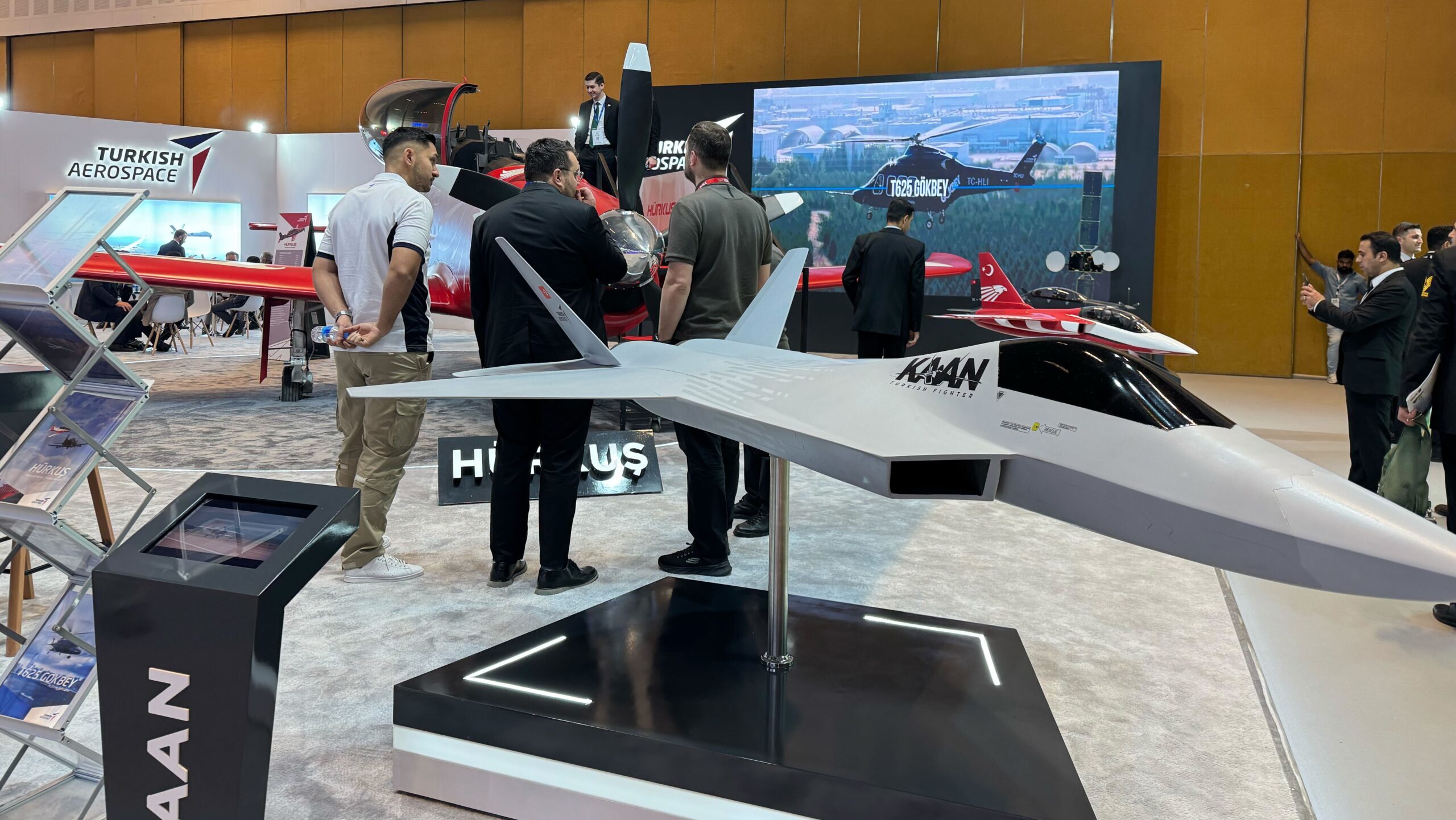
With regard to specific systems likely to be involved in this pact, analysts predict increased interest in Turkish air defense technologies and next-generation aircraft, including the KAAN fighter jet. Saudi Arabia’s desire to diversify its air-defense suppliers makes Turkish systems a viable option, particularly for defeating incoming missile and drone threats. Various Turkish systems could address different layers of air defense requirements.
Turkish Aerospace is reportedly nearing an agreement to export the KAAN fighter to Saudi Arabia, a deal that could become tangible due to the new pact. Defense companies are expressing optimism that this collaboration will not only strengthen mutual ties but also facilitate joint working groups. The standardization of military vehicle systems across the three nations is an anticipated enhancement that could lead to co-produced defense items.
Conclusion
In summary, the Mecca Pact signifies a transformative moment for the defense industries of Saudi Arabia, Turkey, and Pakistan. By fostering collaborative investments and technological advancements, these nations are not just enhancing their military readiness but also establishing a more systemic, integrated defense infrastructure. Through this alliance, they aim to achieve greater strategic autonomy and resilience in an uncertain geopolitical landscape.