
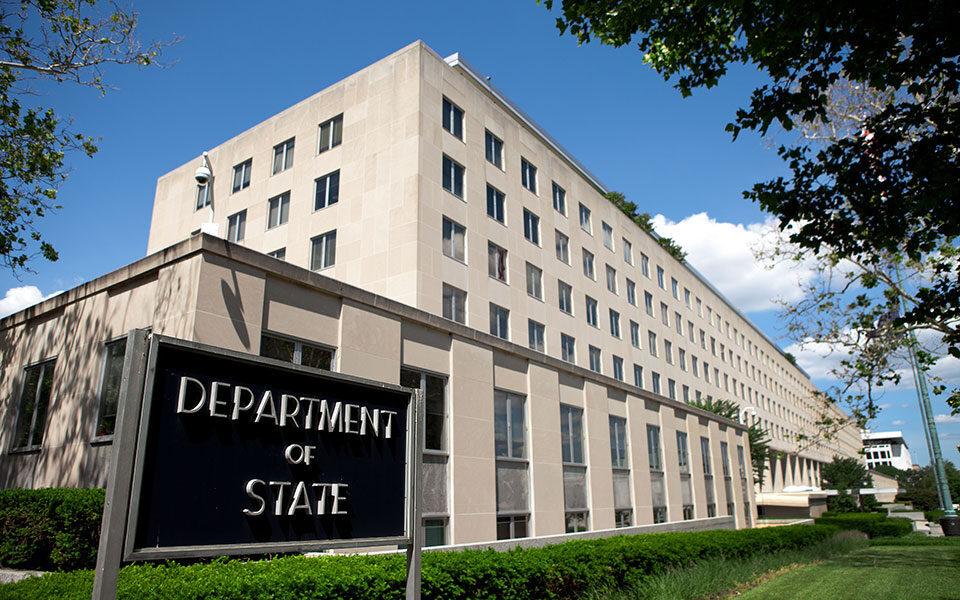
Turkey continues to face challenges regarding its participation in the F-35 fighter jet program, as highlighted in a recent letter from the U.S. Department of State to Congress. This communication, dated July 22, 2026, clarifies that Turkey has not yet met the necessary legal criteria to reenter the program, emphasizing that U.S. policy remains steady in alignment with the Countering America’s Adversaries Through Sanctions Act (CAATSA) and relevant provisions of the Fiscal Year 2020 National Defense Authorization Act (FY2020 NDAA).
The Stalemate Over the S-400 System
The central issue blocking Turkey’s return to the F-35 program is its acquisition of the Russian S-400 missile defense system. The U.S. State Department’s letter specifies that for Turkey to be considered for the transfer of F-35 aircraft, it must first address the S-400 situation. This entails Turkey disposing of the S-400 system entirely and providing assurances that it will not pursue similar systems in the future. The State Department firmly states, “Turkey has not yet met these conditions,” underlining the importance of full compliance with U.S. laws.
Transparency and legal adherence are paramount in any negotiations regarding the S-400 issue, as emphasized by the State Department. Despite this, talks between Washington and Ankara are ongoing, indicating that both parties are still seeking a resolution. This affirmation suggests a continued interest in diplomatic engagement, balancing strict adherence to legal prerequisites with the necessity of operating smoothly within NATO frameworks.
Broader Diplomatic Relations
The letter also reflects on the wider relationship between the U.S. and Turkey, focusing on shared security interests and trade relations. While the U.S. remains committed to collaborating with Turkey on mutual concerns, it does not shy away from holding Turkey accountable for actions deemed detrimental to American interests. Notably, Turkey’s involvement in various U.S. diplomatic initiatives—such as peace efforts related to Russia, Ukraine, Azerbaijan, and Armenia—was acknowledged, showcasing its potential to act as a regional partner.
However, the ongoing relationship between Turkey and Hamas complicates this dynamic. Despite criticisms in the U.S. regarding Turkey’s ties to the organization, the State Department noted Ankara’s role in facilitating diplomatic efforts regarding Gaza. Turkey reportedly leveraged its connections with Hamas to gain acceptance of U.S. peace proposals, raising eyebrows but also demonstrating a complex interplay of diplomacy and security in the region.
Concerns over Hamas Financing
The letter highlights significant concerns regarding Hamas’s financial operations within Turkey. The U.S. continues to impose sanctions on entities that support Hamas, which includes organizations that may funnel money to its military operations. The State Department emphasizes its commitment to dismantling these financial networks, expressing vigilance against Hamas’s access to informal financial systems, which raise red flags from a security standpoint.
In conclusion, the State Department’s communication makes it clear that while there is an ongoing dialogue with Turkey about the F-35 program and broader regional security issues, there remain substantial hurdles to overcome. The U.S. is keen to work with Congress to address these complexities, striving for a partnership that not only focuses on military procurement but also on the intricate challenges of international diplomacy and national security. As discussions unfold, the U.S.-Turkey relationship will continue to navigate the delicate balance between cooperation and accountability.