
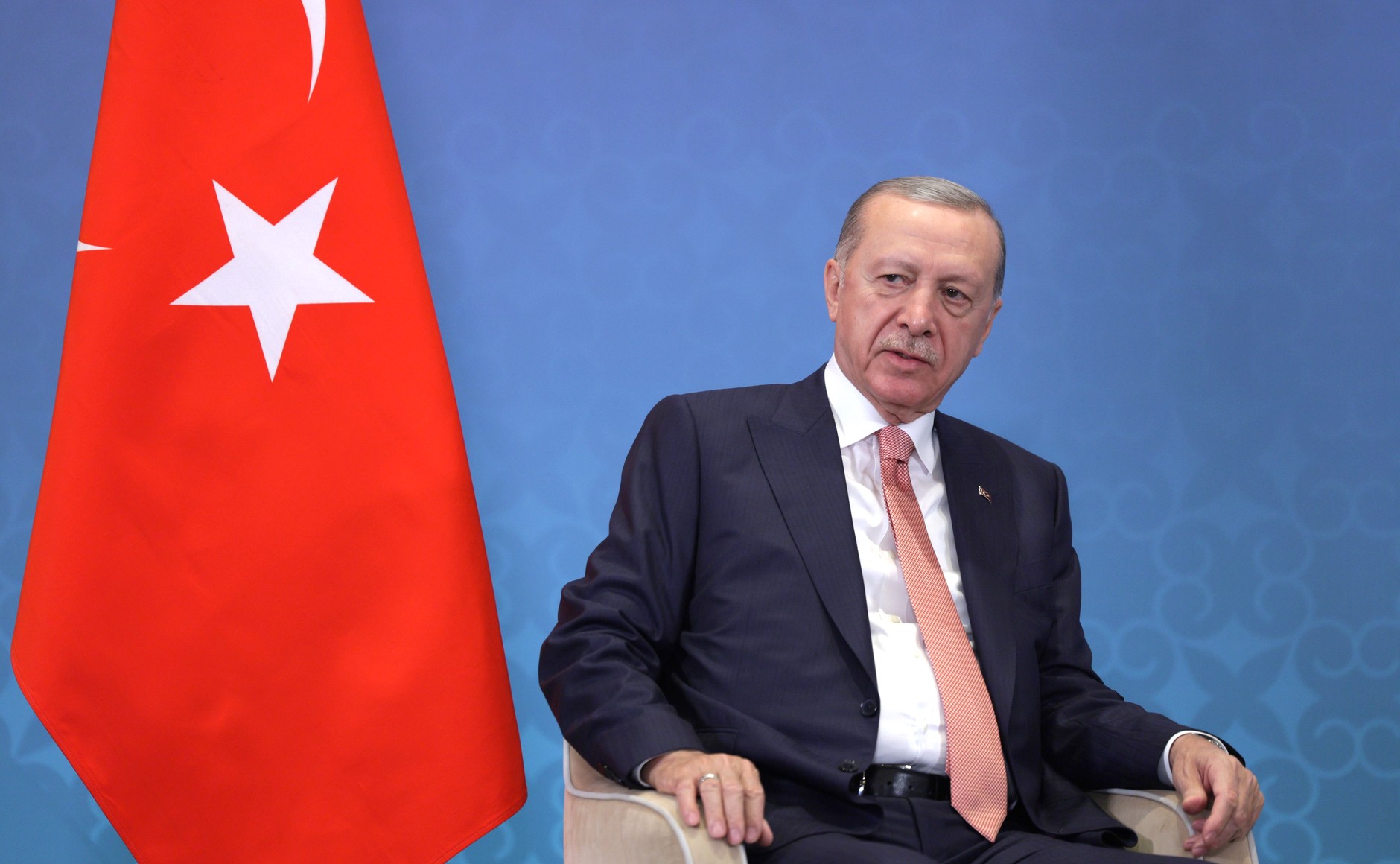
The rising tensions between Turkey and Israel have sparked significant discourse in the region, highlighting a shift in diplomatic relations. As Ankara perceives Jerusalem as a strategic adversary, the rhetoric surrounding their interactions has escalated dramatically.
Turkey’s Escalating Rhetoric
Recent statements by Turkish President Recep Tayyip Erdoğan characterize Israel as a global threat that undermines regional stability. This assessment comes in the wake of a pronounced increase in hostilities between the two nations. During a recent speech to his Justice and Development Party (AKP), Erdoğan asserted that Turkey’s national security interests extend beyond its borders, encompassing critical areas in the Middle East like Beirut, Damascus, and Aleppo. He vehemently argued that Israeli military actions pose risks to not only Turkey but also neighboring countries, complicating the security landscape.
Erdoğan’s critiques have traditionally targeted Israel’s policy towards Palestinians. However, the current discourse marks a distinct shift, with the Turkish leader claiming that Israel threatens all of humanity. Such remarks have drawn a sharp rebuke from Israeli officials, who have firmly countered Erdoğan’s assertions. Notably, Israeli Prime Minister Benjamin Netanyahu dismissed Erdoğan as an “antisemitic dictator,” underscoring the escalating fallout between Ankara and Jerusalem.
Historical and Ideological Underpinnings
The rising tensions are not merely security-focused; they are rooted in a deeper historical and ideological context. Turkey’s political rhetoric increasingly taps into its Ottoman legacy, positioning itself as a crucial influencer beyond its contemporary borders. This narrative isn’t limited to the ruling party; it permeates various political factions within Turkey, further indicating a shift in how the nation perceives its role in the region.
Diplomatic analysts suggest that this discourse is influenced by domestic factors, particularly the ongoing economic challenges that Turkey faces, including soaring inflation and a public dissatisfied with political leadership. By framing Israel as an external threat, Erdoğan’s administration seeks to unify the public around a common issue, diverting attention from pressing internal matters.
Regional Dynamics and U.S. Implications
This rhetorical conflict unfolds within a complex tapestry of Middle Eastern politics, where differing interests play a significant role in shaping alliances and hostilities. Turkey perceives the emergence of a new regional order, potentially dominated by Israel and the West, as a direct challenge to its ambitions for leadership. An aggressive stance against Israel thus aids Turkey’s positioning, both regionally and in relation to the broader Islamic world.
Moreover, U.S. President Donald Trump’s recent commentary appears to reflect an effort to prevent further deterioration between these key players in the Middle East. Trump’s reassurance that “nothing will happen as long as I am president” provides Ankara a degree of freedom to assert itself verbally without immediate repercussions from Washington. This dynamic enables Turkey to enhance its regional image while maintaining channels of communication with the U.S.
In summary, Erdoğan’s intense rhetoric towards Israel encapsulates a multifaceted strategy fueled by domestic concerns, aspirations for regional influence, and careful management of US relations. The ongoing conflicts in Gaza, Lebanon, and Syria present Turkey with an opportunity to position itself as a moral authority in the Islamic world. Though tensions are high, the current diplomatic stance still maintains caution, averting direct confrontation while projecting power in a shifting geopolitical landscape.