
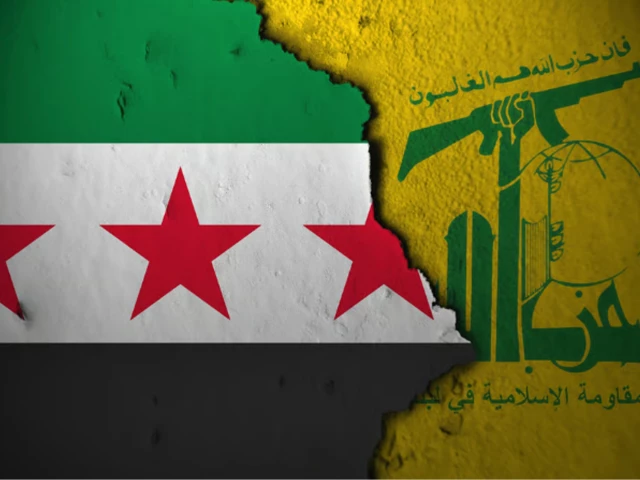
Representatives from the Syrian government and the Lebanese militant group Hezbollah recently engaged in direct discussions in Turkey, aimed at easing escalating tensions between the two long-time adversaries. This meeting marks a significant moment in the ongoing regional dynamics and has drawn interest from multiple sources familiar with the developments.
Secret Talks in Turkey
According to six sources, including Syrian officials and a U.S. official, the historic discussions took place last month and were conducted in secrecy. The meeting included members of Hezbollah and officials from Syria’s intelligence and foreign ministries, all convened at the invitation of Turkish security and intelligence agencies. This clandestine gathering signals a potential turning point in relations, as both parties seek to address and alleviate rising hostilities.
Historical Context of Tensions
The friction between Hezbollah and Syria has intensified since the ousting of former President Bashar al-Assad in late 2024. Initially, Hezbollah played a supportive role in Assad’s government during Syria’s civil war, deploying fighters to uphold his regime. However, after Assad’s removal, accusations emerged from the new Syrian government against Hezbollah regarding arms transfers via Syrian territory. Furthermore, the U.S. has been advocating for Syrian military involvement in Lebanon to counteract Hezbollah’s influence, escalating the already delicate situation.
Response from Major Players
The meeting’s outcome has not gone unnoticed by major stakeholders in the region. Although immediate responses from Syria’s foreign ministry, Turkey’s foreign and defense departments, and the U.S. State Department were unavailable, the implications are profound. After the news broke, the Syrian government used social media platform X to categorically deny that such talks ever occurred, labeling the claims as “false.” However, other sources maintain that discussions did take place and were constructive.
Potential Outcomes and Future Implications
The nature of these discussions could have lasting ramifications for the region. The U.S. official indicated that the talks were focused on resolving points of friction, pointing to a possibly favorable outcome that could pave the way for more cooperative relations in the future. As both Hezbollah and the Syrian government navigate their complex relationship, the expected reduction in hostilities may also influence regional stability, potentially affecting neighboring countries.
In summary, the recent meeting between Syrian officials and Hezbollah representatives in Turkey is a significant development in a historically fraught relationship. As they strive to calm tensions, the outcome could reshape interactions within the broader Middle Eastern landscape. With competing interests at play, the future remains uncertain, but there are glimpses of potential reconciliation on the horizon.