
IZMIR, Turkey — The recent Efes military exercise marked a significant milestone for Turkey, not only because it was the largest of its kind to date, but also due to the advanced technologies showcased and the unprecedented participation of nine countries, including Syria. This edition of the exercise ran from April 11 to May 22 and featured a blend of land, sea, and air operations conducted day and night at the Doğanbey Training Area in Seferihisar, Izmir.
Multinational Participation
The inclusion of nine nations in the exercise was a noteworthy development. For the first time, Bulgaria, The Netherlands, Sweden, Japan, Egypt, Poland, Vietnam, Portugal, and Syria took part in these operations. Although media representatives were not permitted to observe the Syrian unit directly, a Turkish military official revealed that a contingent of 20 Syrian personnel participated, engaging in an air assault operation utilizing weapons from a Turkish utility helicopter. This unprecedented cooperation suggests a shift in Turkey’s diplomatic and military relations, especially in light of possible future collaborations in defense, particularly after changes in the regional political landscape.
Showcasing Domestic Capabilities
Another significant aspect of the Efes exercise was the introduction of 50 homegrown military systems, demonstrating Turkey’s evolving defense capabilities. New technologies featured included the Korkut very-short-range air defense system, the versatile Gokbey utility helicopter, and various unmanned systems like swarming drones and remote-controlled weaponry. Each component was integrated into the exercises, highlighting Turkey’s commitment to bolstering its national defense industry.
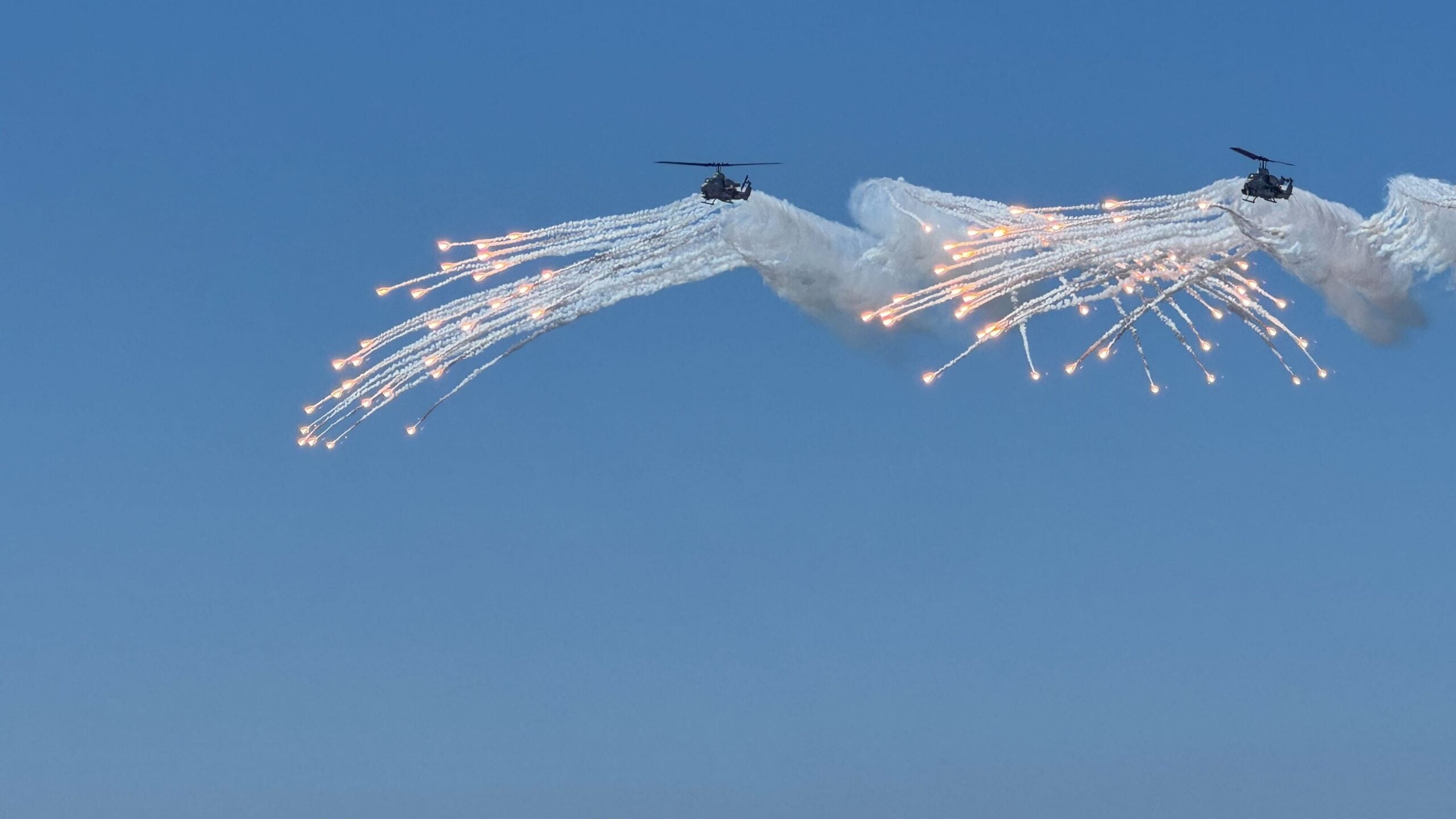
During the exercise’s concluding phase, military equipment and personnel took part in dramatic maneuvers that exemplified these advancements. A nighttime operation included live-fire missions, where explosive sounds echoed through the air. Turkish helicopters deployed flares and simulated bombings, creating a visually captivating scene that captivated attendees. The drills culminated with a successful interception of a drone, demonstrating operational effectiveness and the potential for real-world application.
Dynamic Daytime Operations
The day segment of the exercise was equally vigorous and showcased a substantial naval presence. Speedboats conducted maneuvers close to the shore while ensuring the landing zones were secured for larger vessels transporting armored vehicles and tanks. The efficiency and coordination of maritime operations were evident as the Turkish armed forces executed demining missions, punctuated by colorful smoke displays marking the locations of neutralized mines.
Throughout the day, various military assets, including the Atak helicopters and other aircraft, flew overhead, while submarines participated in live-fire operations. The presence of advanced naval vessels, such as the TCG Anadolu and multiple landing crafts, illustrated Turkey’s strategic marine capabilities.
Future Implications
The Efes 2026 military exercise not only showcased Turkey’s domestic defense advancements but also aimed to establish the nation as a key player in the international defense market. Experts believe that the cooperation with Syria and the integration of multiple military branches signify Turkey’s intent to enhance its role within NATO and attract global partners. This exercise serves as a platform for Turkey to demonstrate its multi-faceted military capabilities, appealing to allies and partners in the region, thereby consolidating its influence within the defense sector.
Turkey appears to be solidifying its position as a capable ally with diverse assets, enriching both its defense industries and international relations through engagements like the Efes exercise.