
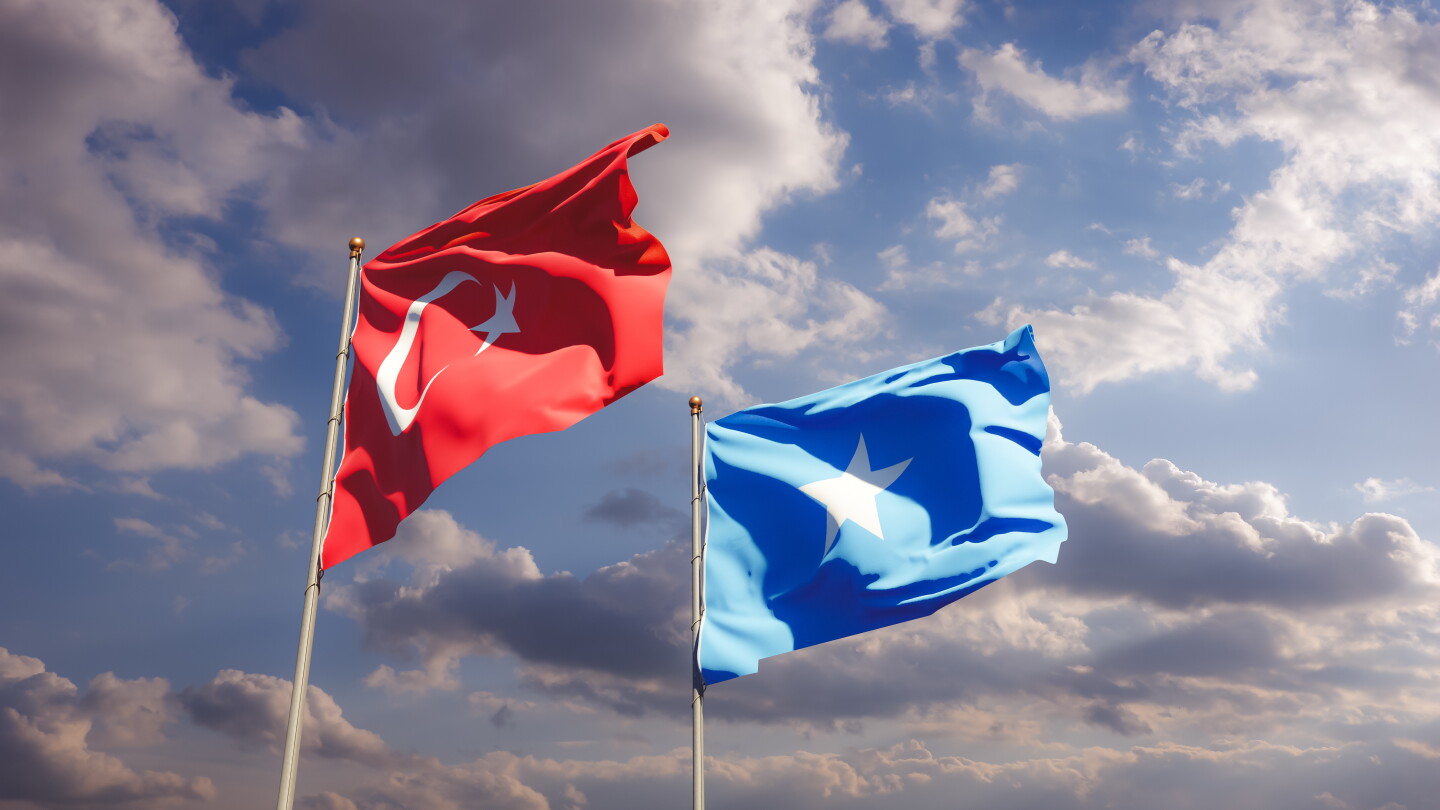
Turkey has forged a significant partnership with Somalia, becoming a critical player in the region. This alliance includes military training, the establishment of the largest Turkish military base overseas in Mogadishu, maritime security support, and initiatives in offshore energy exploration. The relationship advanced further in October when President Recep Tayyip Erdoğan announced plans to construct a spaceport in Somalia. However, this deepening cooperation does not necessarily indicate complete political alignment between the two nations.
The Cyprus Dispute Illustrates Uncertain Political Alignments
A recent incident involving Cyprus highlights the complexities of Turkey-Somalia relations. Somalia’s newly appointed parliament speaker, Abdulkadir Mohamed Nur, stirred controversy by thanking a Turkish Cypriot official and referring to him as the representative of the “Turkish Republic of Northern Cyprus,” a state only recognized by Turkey. Following backlash, Abdulkadir deleted his post, and Somalia’s Foreign Ministry quickly issued a clarification emphasizing that this communication did not signify a change in foreign policy regarding Cyprus. The ministry reaffirmed its support for Cyprus’s sovereignty and territorial integrity.
This swift clarification is particularly noteworthy given Somalia’s growing military partnership with Turkey. For years, Turkey has been active in enhancing Somalia’s security framework, notably through a defense agreement committing Ankara to support the development of Somalia’s naval forces. Despite receiving substantial security assistance from Ankara, Somalia’s stance on Cyprus demonstrates its commitment to maintaining its own national interests without merely acting as a proxy for Turkish foreign policy.
Military Cooperation Continues
The relationship between Somalia and Turkey remains strong even after clarifying Somalia’s position on Cyprus. In September, both nations convened in Mogadishu to discuss strategic partnerships, while later meetings included Somalia’s defense minister and the commander of the Turkish training base, TURKSOM, focused on expanding military cooperation. As of early October, Turkish officials visited the site of the upcoming space facility, underlining the ongoing commitment to joint ventures.
Somalia’s stance on Cyprus reflects a broader significance regarding its foreign policy. Although they benefit from Turkish support, Somali officials have made it clear that this does not extend to accepting Turkish foreign positions that undermine their own territorial integrity. Somalia has legitimate worries about recognizing a Turkish-backed entity in Cyprus – such acceptance could jeopardize its own claims to sovereignty, especially regarding its troubled relationship with Somaliland, which seeks independence.
Implications for Broader Foreign Relations
The implications of Somalia’s position extend well beyond bilateral relations with Turkey. Recently, Somalia joined forces with Egypt, Eritrea, and Sudan in rejecting any recognition of Somaliland, reinforcing its commitment to maintaining territorial integrity. This resolute position underscores Somalia’s immediate foreign policy focus and how it aims to navigate complex international relationships while safeguarding its national interests.
As Turkey expands its influence across Africa through defense agreements, training, and economic investments, Somalia serves as a crucial case study on the limitations of such partnerships. This dynamic opens avenues for increased U.S. engagement. Given that Turkish influences, such as drone sales, can destabilize regional politics, there is a clear opportunity for Washington to leverage connections with countries like Somalia to counteract Turkey’s growing reach on the continent. With insights drawn from Somalia’s independence of thought, the U.S. may effectively illustrate how Turkish foreign policies sometimes conflict with the interests of its partner nations.