
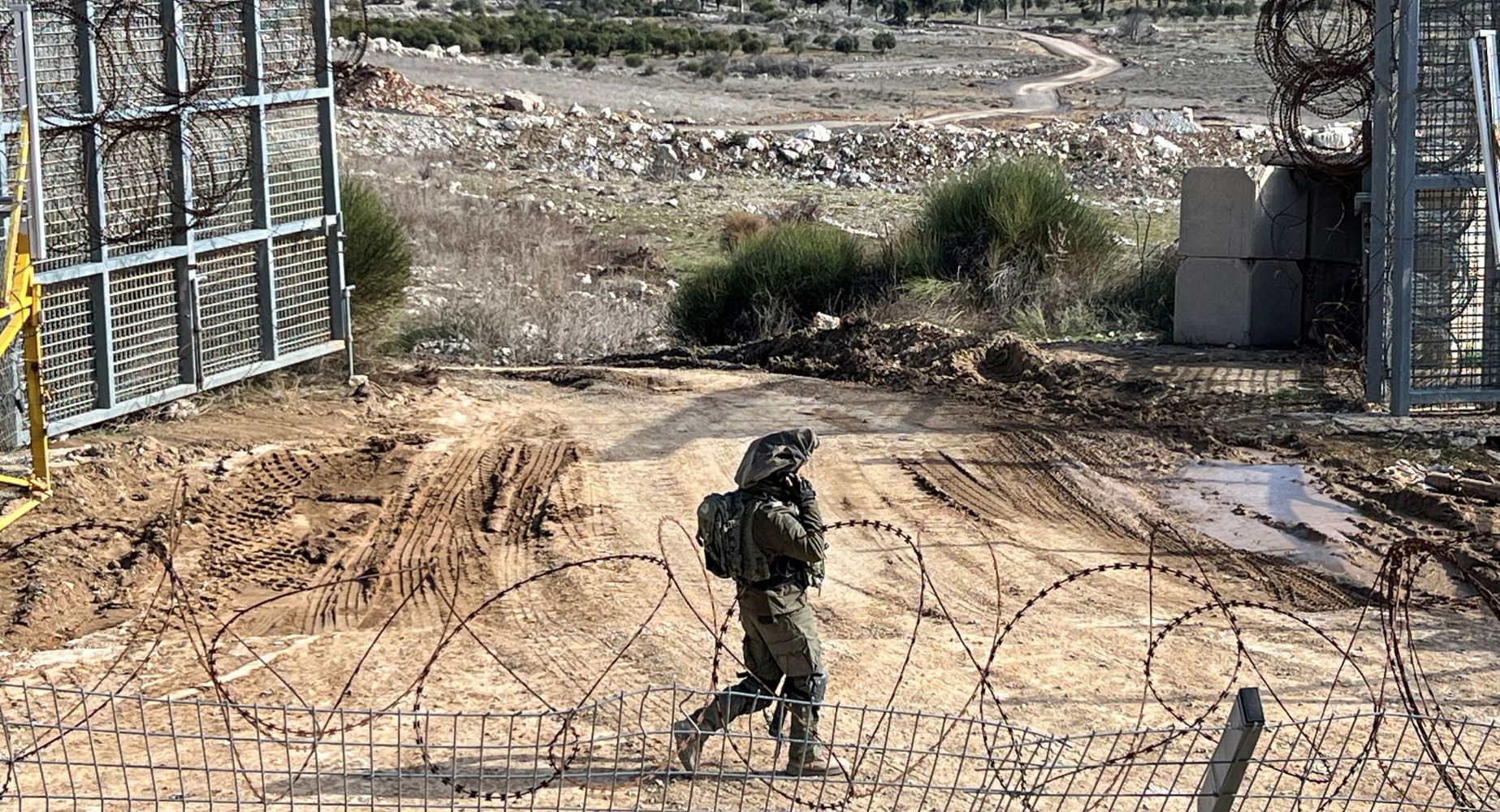
The evolving geopolitical landscape in the Middle East has significantly altered the dynamics between Turkey and Israel. Historically, tensions between these two nations were largely defined by their positions on the Palestinian issue, Hamas, and the ongoing conflict in Gaza. The relationship involved a war of words between Turkish President Recep Tayyip Erdogan and Israeli Prime Minister Benjamin Netanyahu, framing the conflict primarily as ideological and diplomatic. However, the recent political shifts in Syria have introduced a new layer of complexity to their rivalry.
Shifts in Power Dynamics in Syria
The fall of the Bashar Al-Assad regime and the ascendance of the Ahmed Al-Sharaa-led administration in Damascus have transformed the strategic landscape. With Syria previously under the influence of Iran, the region has emerged as a new battleground for Ankara’s growing political and military ambitions. As Turkey enhances its presence and influence in Syria, the underlying strategic contrasts between Turkey and Israel are becoming increasingly apparent.
The rift between these two nations now transcends Gaza, centering on which regional power will shape post-Iran Syria. For Turkey, the stakes are high, as it aims to expand its political and military clout in a country that could influence security dynamics across the region. Conversely, Israel is focused on preventing the emergence of a centralized military force in Syria that could pose a threat to its borders.
Turkey’s Broader Goals in Syria
While many Western analyses of Turkey’s Syria policy narrow it down to concerns about the PKK and YPG, Ankara has more extensive objectives. Turkey views the YPG as the Syrian offshoot of the PKK, which it has been combating for decades. Consequently, Ankara has pursued cross-border operations to mitigate this security threat. However, Turkey’s ambitions extend beyond mere border security.
Under President Erdogan’s leadership, Turkey aims to play a pivotal role in Syria’s political and economic recovery. By supporting factions opposed to the Assad regime and integrating the Kurdish forces into a centralized Syrian state, Turkey seeks to establish itself as a key player in the region. Its involvement is aimed not only at ensuring national security but also at facilitating its long-term strategic objectives through relationships with Sunni political networks.
Geopolitical Frictions between Turkey and Israel
The decline of Iranian influence in Syria might seem beneficial for both Turkey and Israel, but a shared adversary does not equate to mutual agreement on what follows. Turkey’s growing military presence in Syria and its potential establishment of a new power structure are seen as threats from Israel’s perspective. Israel has shifted its security strategy post-October 7 attacks, focusing on preventing hostile military entities from gaining strength close to its borders, underscoring the tension between the two nations.
Turkey seeks a unified and centralized Syrian state that aligns with its strategic goals, while Israel is wary of any new military establishment with uncertain ideological leanings that could compromise its security. This discord lays the foundation for a complex geopolitical rivalry, with each nation vying for influence over Syria’s future.
The Role of the Kurds in Regional Strategy
The Kurdish situation stands out as a crucial factor in the Turkey-Israel rivalry. Turkey is staunchly opposed to the establishment of an autonomous Kurdish military and political entity, viewing it as a direct security concern. In contrast, Israel has historically maintained favorable relations with various Kurdish groups and has even expressed support for their autonomy.
This divergence complicates relations, particularly in light of U.S. partnerships with the Syrian Democratic Forces, which have historically strained Ankara-Washington ties. The integration of Kurdish forces into a new Syrian administration significantly impacts both Turkey’s and Israel’s strategies, with implications for the broader regional balance of power.
As the dust settles from the Syrian conflict, the country has emerged as a focal point for ongoing geopolitical rivalries. This new landscape places Syria at the epicenter of the power struggle between Turkey and Israel, making it a critical theater for influence, security, and regional stability in the years to come.