
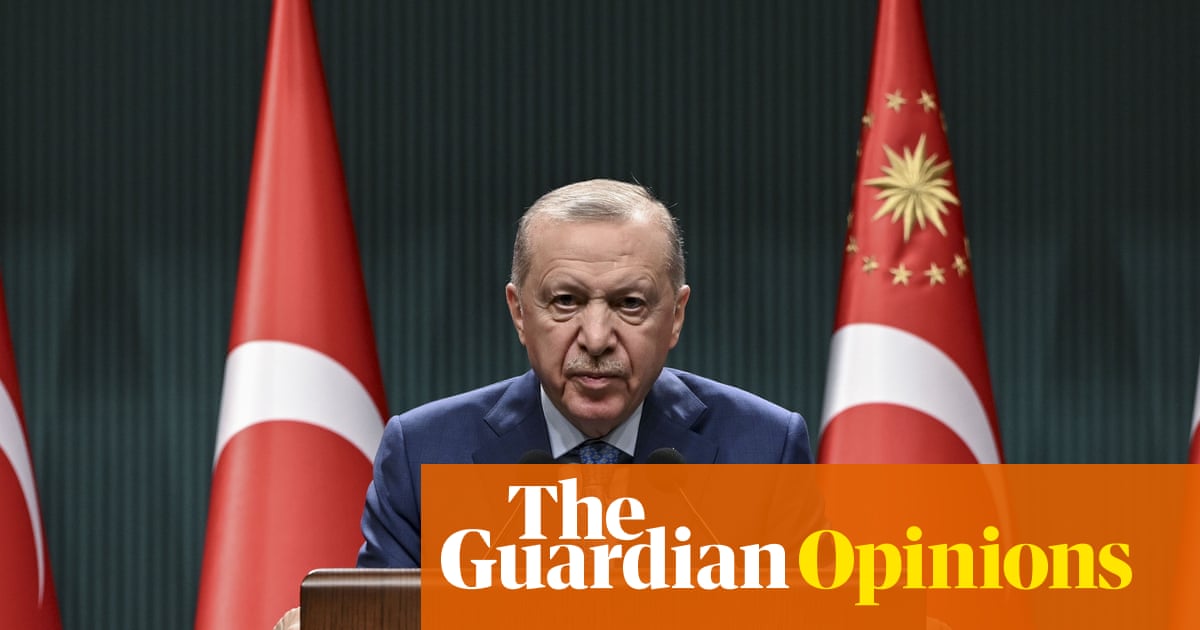
Turkey’s upcoming presidential election is set for 2028, yet many speculate that it could happen sooner. However, with recent political maneuvers, the results may have already been largely predetermined.
Political Shifts and Legal Controversies
Recently, an appeals court disqualified Özgür Özel, the leader of the opposition Republican People’s Party (CHP), by nullifying the outcome of its 2023 leadership election. Özel, aged 51, has been recognized for revitalizing the CHP, which saw significant gains over the ruling Justice and Development Party in the 2024 local elections. He emerged as one of the few senior leaders who avoided the extensive government crackdown on opposition members that resulted in the arrest of numerous CHP officials. Reports from Human Rights Watch indicate that the judicial system has been weaponized against opposition figures, a situation exemplified by the high-profile corruption trial involving Istanbul’s mayor, Ekrem İmamoğlu, who faces extraordinary charges that could total over 1,900 years if found guilty.
The decision to remove Özel has been widely viewed as a judicial coup intended to further weaken and fracture the CHP, which itself has condemned the action. Infamously unpopular former party leader Kemal Kılıçdaroğlu, who lost against President Recep Tayyip Erdoğan in 2023, has been reinstated, raising concerns about the legitimacy of the party’s leadership and its ability to mount an effective challenge in future elections.
Erdoğan’s Authoritarian Maneuvering
Since taking office in 2003, Erdoğan has restructured Turkish politics toward a more authoritarian regime, particularly following the Gezi Park protests in 2013 and the coup attempt a decade ago. Under his leadership, Turkey transitioned from a parliamentary system to a highly centralized presidency. Media outlets are primarily under the control of his loyalists, severely limiting the scope of civil society. In a recent move, Erdoğan signed a decree that shuttered a private university known for its liberal viewpoints, further tightening his grip on dissent.
There is a two-term limit for the presidency; however, Erdoğan may still run if elections are expedited. Recent diplomatic overtures to the Kurdish population could open doors for cooperation with the pro-Kurdish Peoples’ Equality and Democracy party, aimed at constitutional changes. Unfortunately, Turkey’s economic situation remains grim, relying heavily on fuel imports, which complicates Erdoğan’s prospects.
The Economic Landscape and Public Sentiment
While Erdoğan attempts to frame himself as the solution to the economic problems he helped create, rapidly rising living costs are diminishing public support. The central bank recently adjusted its inflation target from 16% to 24%, reflecting the challenging economic climate. Following Özel’s disqualification, the stock market tumbled by 6%, and the lira reached historic lows, although there was a slight recovery afterward. Promising tax amnesties is unlikely to alleviate the economic distress or attract international investment amidst widespread legal and political instability.
Erdoğan’s domestic support is complemented by his adept navigation of an intricate international landscape, including conflicts in the Gulf and Ukraine. Even former U.S. President Donald Trump has praised his leadership. The European Union, once a vocal critic of Erdoğan’s policies, seems more focused on the situation in Ukraine, resulting in less scrutiny of Turkey’s deteriorating democratic practices.
In conclusion, democracy is not only a function of how votes are cast and counted. It is also shaped by the candidates who are permitted to run and their ability to articulate their positions free from legal hindrances. The erosion of democratic norms doesn’t happen overnight; it’s a gradual, insidious process. Without necessary pushback, the narrative surrounding Turkey’s next presidential election is already being shaped, further diminishing the prospects for a fair and democratic process in the near future.