
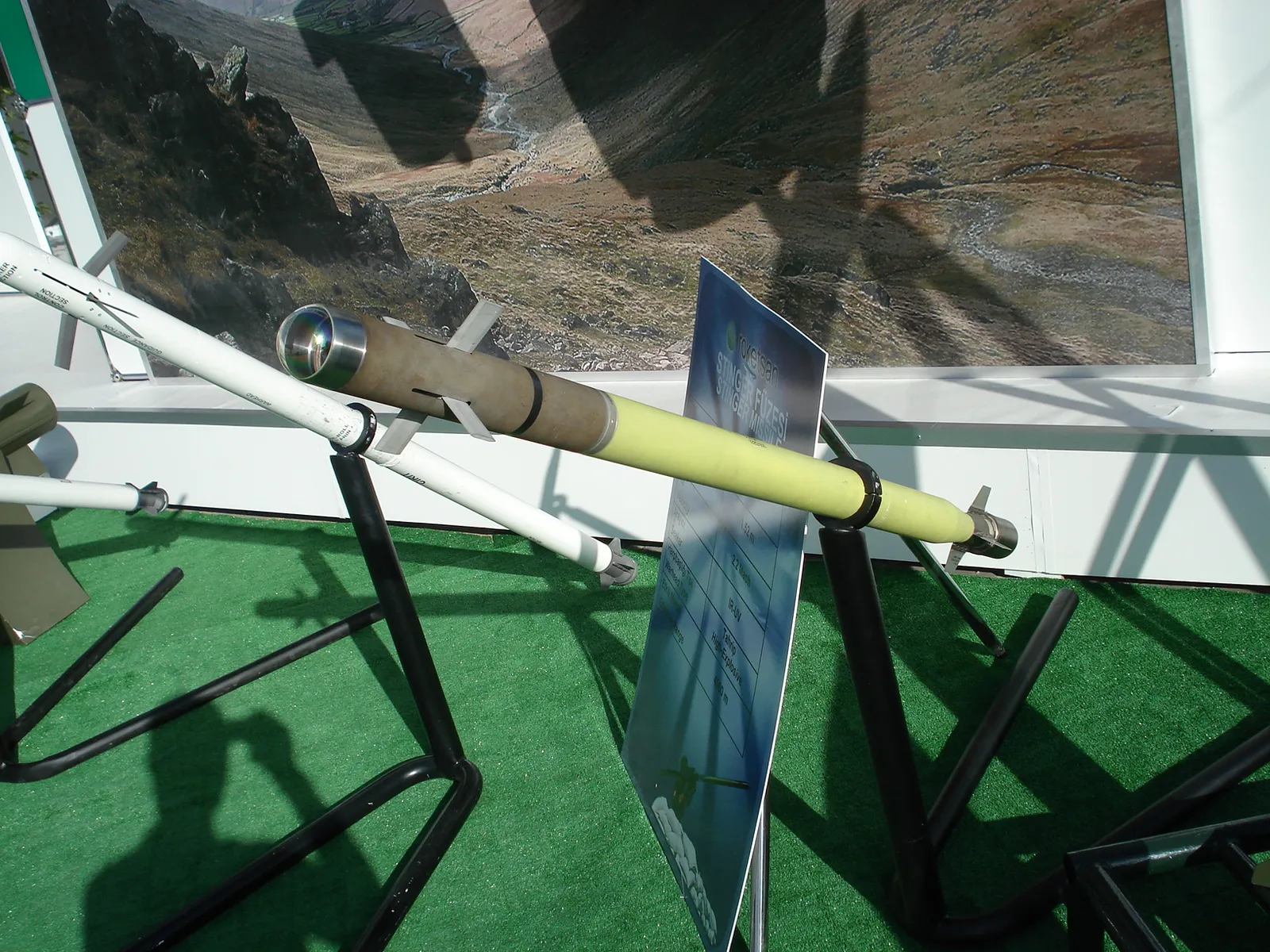
Roketsan, a leading Turkish defense company, was founded on June 14, 1988, by the Defence Industry Executive Committee (SSİK). Established to fulfill two primary objectives, Roketsan emerged from a strategic necessity: Turkey needed a domestic contractor capable of manufacturing composite solid propellant rocket motors as part of its obligations under the Stinger European Co-Production Programme, and the nation sought to develop its own capabilities in rocket and missile design and production.
Founding Objectives of Roketsan
The official rationale behind Roketsan’s inception is clearly stated in the founding decision by the Defence Industry Executive Committee. Among the key motivations were Turkey’s urgent need to cater to the armed forces’ rocket and missile requirements and the ambition to create a self-sufficient national entity that could design and produce these critical technologies locally. In the late 1980s, Turkey heavily relied on imported missiles and rockets, lacking the domestic technology otherwise found abroad.
The establishment of Roketsan was driven by an immediate commitment stemming from Turkey’s integration into the Stinger European Co-Production Programme. The Turkish government had pledged to manufacture the critical subsystems of the Stinger missile, specifically the composite solid propellant motors, but no existing Turkish organization possessed the necessary technology. Instead of allocating the task to an established manufacturer, the Ministry of National Defence decided to set up a new company, thus spearheading Roketsan’s development.
Impact of the 1980s Context
Understanding the backdrop of the 1980s is crucial to grasping the motivations behind Roketsan’s founding. The United States’ arms embargo imposed on Turkey following the 1974 Cyprus operation highlighted the vulnerabilities associated with a defense inventory largely dependent on imports. This experience fueled a legislative framework, notably Law No. 3238 of 1985, which led to the formation of the Undersecretariat for Defence Industries (SSM) and the Defence Industry Executive Committee. These bodies aimed to build a robust national defense industry hierarchy, allowing firms like Roketsan to thrive under a state-directed initiative designed to meet pressing strategic goals.
The Stinger Programme served as the immediate catalyst for Roketsan, compelling the company to ascend rapidly within the defense sector. By signing a subcontract with German firm LFK in 1989, Roketsan initiated the launch of composite solid propellant areas, thereby establishing its technological expertise and manufacturing capabilities.
The Early Days of Roketsan
Roketsan began operations in a modest rented facility in the İskitler district of Ankara with roughly 25 employees. In these formative years, the organization focused on building its production facility in Elmadağ, absorbing critical composite perspectives, and training an engineering workforce. The Elmadağ campus remains Roketsan’s primary production and testing center today. Over the years, the company has expanded significantly, growing from its original 25 team members to around 5,000 in 2024, further bolstered by the opening of additional plants to enhance production capacity.
Roketsan has not only fulfilled its initial commitments but has also developed an extensive portfolio of locally designed and manufactured defense systems. From the production of Stinger components in the early 1990s to subsequent developments like the TR-122 artillery rockets and cruise missiles, the company’s achievements signal progress in Turkey’s aim for self-reliance in defense.
Modern-Day Success and Future Outlook
Today, Roketsan stands as Turkey’s premier missile manufacturer, delivering a comprehensive range of products, including advanced cruise and ballistic missiles, air defense systems, and smart munitions. With financial forecasts indicating revenues of over $2 billion in 2025, the organization has secured a solid position within the global defense sector and signed numerous international co-production agreements. This accomplishment transforms Roketsan from a company built to fulfill a single program into a leading technology exporter, actively contributing to the global arms market.
The original vision of a national lead organization for rockets and missiles has been realized and expanded. As Roketsan continues to innovate and grow, it demonstrates Turkey’s capability to develop high-quality defense technologies independently, reinforcing its position in the global defense arena.