
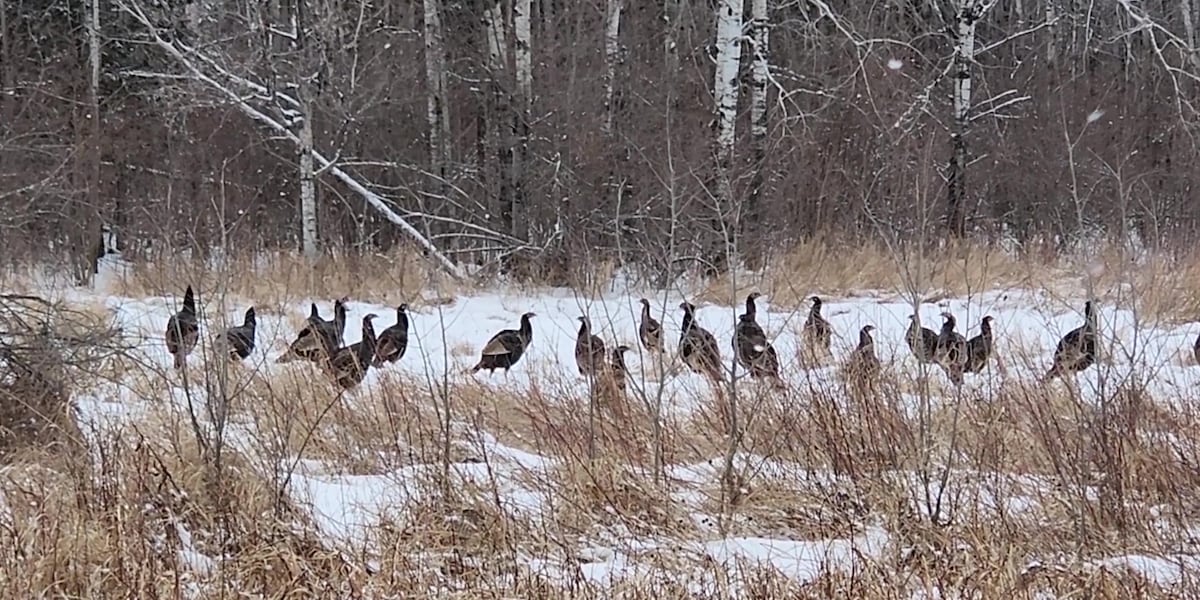
Wild turkeys, once a rare sight in the Northland, have made a remarkable comeback over the past several decades. What was once considered a once-in-a-lifetime encounter for older generations has transformed into a daily occurrence, with wild turkeys now frequently spotted crossing roads, much to the surprise of local residents and drivers alike.
Revival of a Species
This resurgence is especially evident in places like Superior, Wisconsin, where local hunting department manager Scott Miller notes the frequency of wild turkeys encountered on highways. Just 60 years ago, these birds had nearly vanished from the region due to habitat loss driven by settlement, unregulated hunting, and logging activities. By 1880, wild turkeys were nearly extinct in the Northland, creating a striking contrast to the thriving populations observed today.
The turning point came in 1971 when Minnesota’s Department of Natural Resources took a significant step by releasing 29 wild turkeys from Missouri into southeastern Minnesota. Today, wild turkey populations in Minnesota, Wisconsin, and the Upper Peninsula have surged to over half a million. This population growth has resulted in an increased interest from hunters, particularly during the fall season when many seek wild turkey as a centerpiece for Thanksgiving dinners. However, it’s important for those planning to hunt these birds to remember that wild turkeys may require different preparation compared to their farm-raised counterparts.
Unique Hunting and Cooking Challenges
According to Peter Krause, an expert with the National Wild Turkey Federation, wild turkey meat has its own unique characteristics, often being drier than domestically raised turkeys. This information is particularly valuable for those looking to prepare a wild turkey for the holiday table. The preparation varies significantly, and understanding these differences is crucial for achieving a delicious meal.
Krause also believes that ongoing habitat restoration and regulated hunting practices will play pivotal roles in maintaining the vitality of the wild turkey population. Notably, favorable weather conditions, such as the anticipated Super El Nino winter, are expected to contribute positively to the population numbers as well. “We’ve experienced some mild winters recently, which really allowed the turkey population to flourish,” he explains.
A Success Story in Wildlife Management
The successful restoration of wild turkeys in this region is hailed as a significant triumph in wildlife management. Scott Miller expresses hope that similar efforts to reintroduce elk in the Northland will be successful, further enriching the local wildlife experience. “I would love to see a thriving elk population in this area that we could hunt,” he remarks, emphasizing the community’s desire for diverse hunting opportunities.
The revitalization of the wild turkey population serves as a powerful reminder of the positive impacts that conservation efforts and responsible wildlife management can have on local ecosystems. With continued commitment to habitat preservation and thoughtful hunting regulations, the success story of wild turkeys will likely inspire future initiatives aimed at enhancing biodiversity in the region.
In conclusion, the journey of the wild turkey from near extinction to thriving populations is a testament to effective wildlife management. As local communities celebrate this notable revival, future efforts may pave the way for more success stories, such as the potential reintroduction of elk to Wisconsin and Minnesota.