
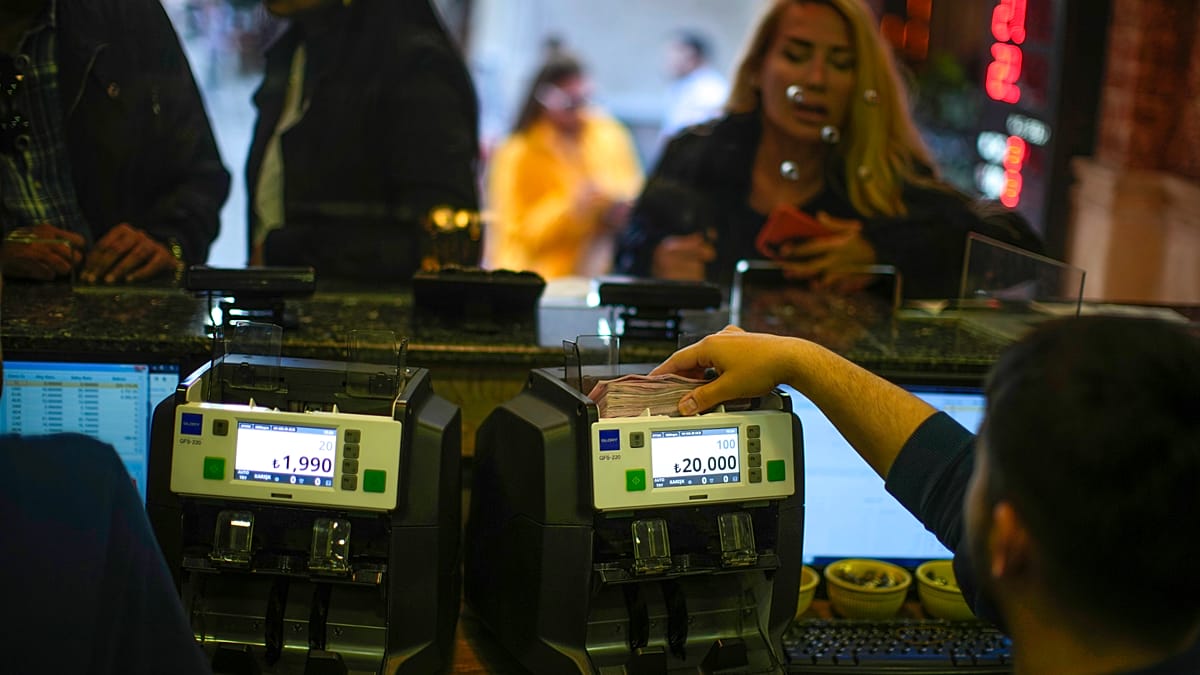
Takalo finds himself at a unique crossroads in his life; despite having a staggering account balance of approximately $21.8 billion, he has been unable to touch these funds for nearly a month. This predicament has sparked considerable attention, raising questions about wealth management and accessibility in the modern financial landscape.
The Constraints of Wealth Management
Having immense wealth does not automatically equate to financial fluidity. Takalo’s situation underscores a growing concern about how money can be tied up in various financial systems, whether due to regulations, banking policies, or technical glitches. Individuals with similar net worth often encounter hurdles that complicate accessing their assets. This speaks volumes about the complex nature of wealth management, especially for those in the upper echelons of financial resources.
Wealth management involves a variety of components, including investment strategies, tax planning, and estate management. For high-net-worth individuals, like Takalo, balancing these aspects becomes crucial. Yet, financial systems intended to protect assets can occasionally act as barriers, demonstrating that even the wealthy are not immune to the challenges created by bureaucracy.
The Importance of Financial Technology
The rise of financial technology (fintech) has significantly altered how individuals and businesses manage their wealth. Innovative companies offer solutions that promise more efficient methods for accessing funds, executing transactions, and managing investments. However, recent incidents highlight that technology can also create bottlenecks.
In Takalo’s case, the inability to access billions might be linked to such technological failures or regulatory restrictions. High-value accounts often face increased scrutiny, which can lead to prolonged holding periods. Understanding the implications of fintech on financial accessibility is paramount, particularly for those in high-capacity brackets.
Implications for Wealth Accessibility
Takalo’s predicament serves as a wake-up call for both individuals and financial institutions. It sends a message about the need to prioritize seamless interaction within banking environments. This precarious balance underscores a crucial point: while wealth can offer significant advantages, it may also come with substantial hurdles.
How financial institutions respond to these issues can shape future standards for all clients. Improved processes and transparency in wealth management are essential, especially for high-net-worth individuals who are more vulnerable to disruptions. As the landscape continues to evolve, both consumers and financial institutions must adapt accordingly.
In conclusion, Takalo’s struggle with accessing his wealth is not merely an isolated incident but rather a reflection of broader challenges within finance. Though billions sit idle, this situation emphasizes the importance of better systems that facilitate wealth management and access, especially for the affluent. As fintech advances, understanding its implications on wealth accessibility will be critical for ensuring that those with significant financial resources can navigate the complexities without facing undue hardships.