
The trial of Deniz Göktaş, a 32-year-old Turkish comedian, has commenced in Istanbul, attracting significant public and media attention. He faces serious allegations, including insulting President Recep Tayyip Erdoğan, inciting hatred, and even promoting criminal activity. These charges stem from content featured in his stand-up routine titled “Dead Sea,” which has stirred controversy and debate around freedom of expression in Turkey.
Details of the Charges
The prosecution’s case is built around specific jokes made by Göktaş during his performance. Notably, he referred to President Erdoğan as a “shy dictator” and remarked that he has embraced a dictatorial role. The indictment identifies Erdoğan as the sole complainant, underlining the personal nature of the accusations against the comedian. Additionally, Göktaş is accused of inciting hostility through jokes critiquing fundamentalist Islam. This has sparked discussions regarding the boundaries of humor in relation to political figures and societal norms.
The comedian is also facing charges related to his comments on organized crime, particularly a joke referencing the notorious criminal group “Daltons.” Prosecutors have noted that a single performance of Göktaş’s has generated new legal charges every couple of months, creating a climate of fear and censorship for artists and comedians who push the limits of societal expectations.
Public Support and Response
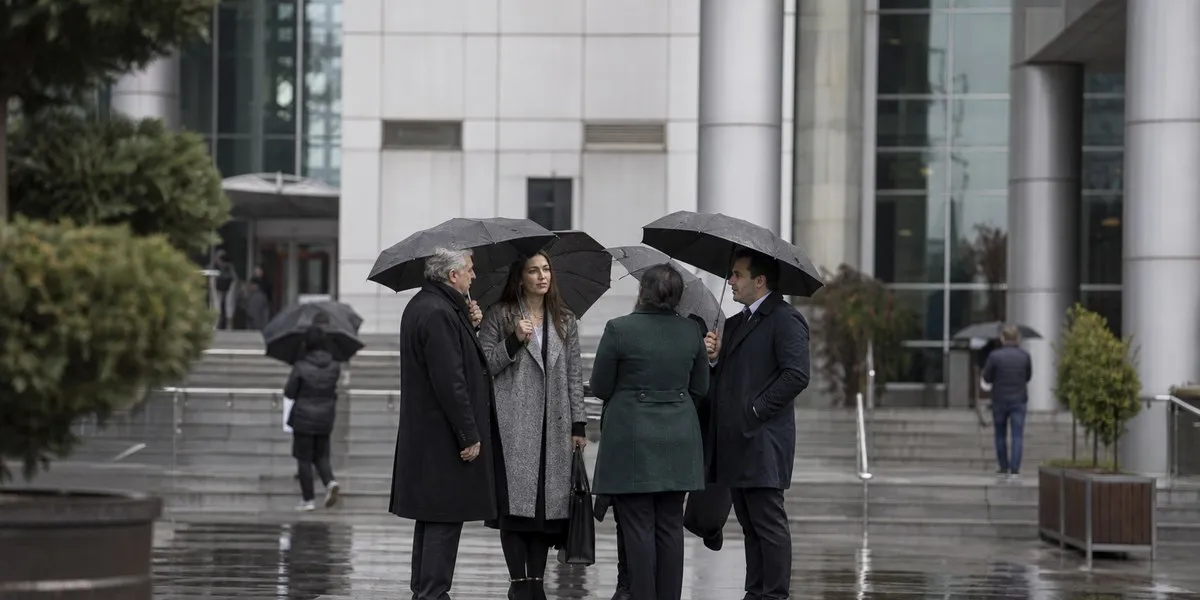
On the day of the trial, approximately 50 supporters braved heavy rain outside the courthouse, armed with umbrellas, to express solidarity with Göktaş. Chants of “Deniz Göktaş is not alone” resonated through the streets, illustrating that the public is closely monitoring the implications of this case on free speech. Among the attendees were journalists, fellow comedians from Istanbul’s TuzBiber comedy club, and international observers from the Netherlands embassy and the U.S. consulate.
According to the Media and Law Studies Association, a Turkish NGO, there have been over 500 complaints lodged against Göktaş, many of which were funneled through the Presidential Communications Center. Notably, the Directorate of Religious Affairs, known as Diyanet, was among those who reported the performance. If found guilty on multiple counts, Göktaş faces the risk of a lengthy prison sentence, with potential for consecutive sentences exacerbating the severity of his punishment.
The Broader Implications
The case of Deniz Göktaş serves as a significant touchstone in the ongoing struggle for freedom of expression in Turkey. As artists and public figures continue to grapple with stringent laws that stifle criticism of the government, Göktaş’s trial may be seen as both a reflection and a catalyst for broader discussions about creativity and censorship in the country.
If the judicial system imposes harsh penalties on Göktaş, it could signal a chilling effect on comedians and artists who dare to challenge the status quo. The outcome of this trial is not just about one man’s fate, but speaks volumes about the future of artistic expression in a society facing increasing repression of dissenting voices. As public attention remains focused on this case, it may influence how future artistic endeavors navigate the often treacherous terrain of political commentary in Turkey.