
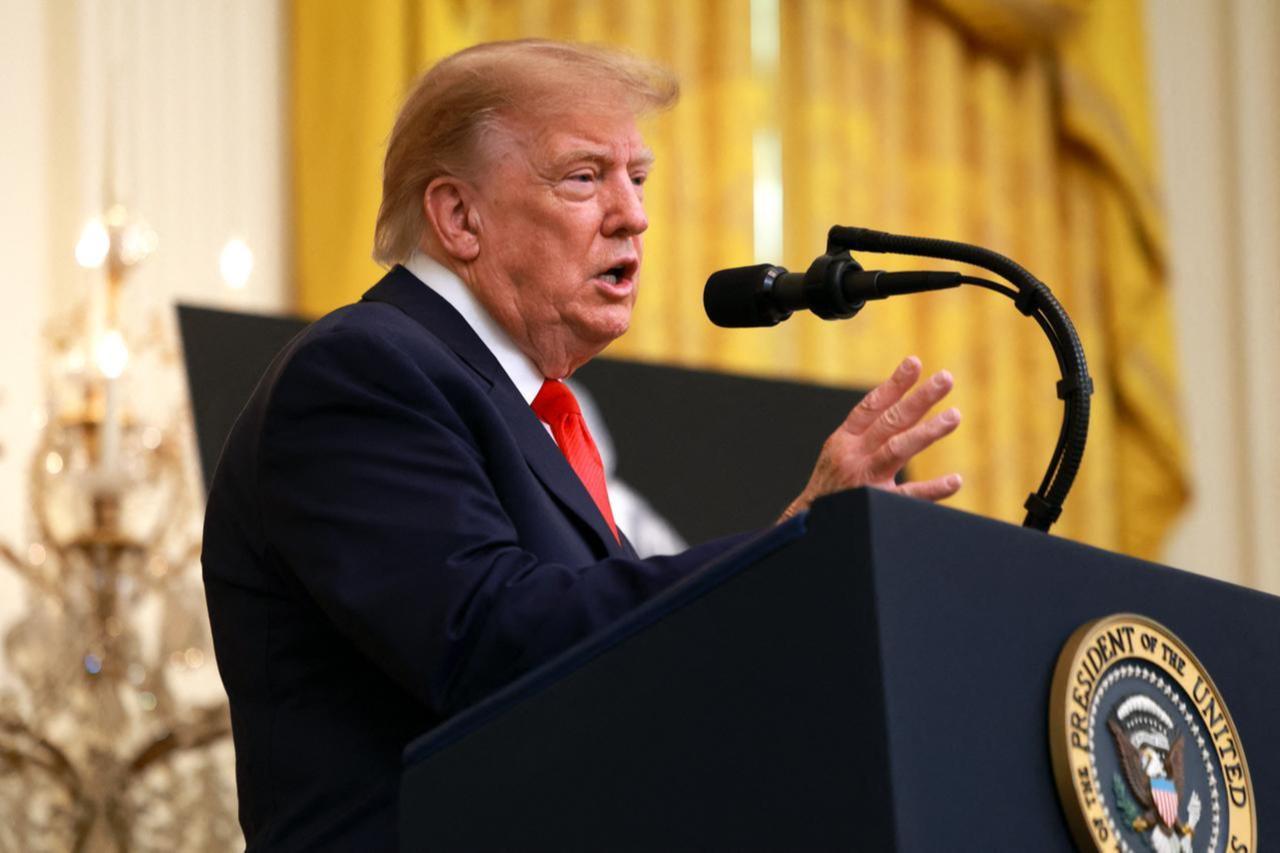
U.S. President Donald Trump recently indicated that the United States might step up its involvement in Saudi Arabia’s military operations against Houthi rebels in Yemen. This statement comes in light of several missile attacks targeting Saudi airports, raising concerns about the escalating conflict and America’s potential role in the region.
Context of the Recent Airport Attacks
During a press briefing, Trump stated, “We may, we’re going to look at it,” regarding the possibility of U.S. military support for Saudi airstrikes against Houthi positions. He highlighted that the administration was promptly informed about the latest incidents and promised a quick decision on the matter. The recent escalation followed a notable attack at Riyadh’s King Khalid International Airport, which was hit once again, causing injuries among passengers. Witnesses reported hearing a significant explosion, leading to scenes of chaos as multiple individuals were treated for injuries on-site.
Emergency services responded rapidly, with more than a dozen ambulances arriving at the scene. Saudi Arabia’s General Authority of Civil Aviation confirmed that the blast was caused by a missile strike on a passenger terminal, resulting in numerous casualties. Reports suggest that dozens were injured, with several individuals requiring intensive medical care. Flight operations at Riyadh airport were temporarily halted, affecting multiple airlines, including Kuwait Airways and Etihad Airways, which had to cancel flights.
Escalation of Houthi Attacks
The Houthi movement, which has significant control in northern Yemen and is backed by Iran, has expanded its target list in response to ongoing military operations led by Saudi forces against their positions. The group declared that they now regard Saudi airspace as an active zone for military engagement, warning international airlines to steer clear. This assertion comes after a series of attacks that the Houthis claim are retaliatory measures against the Saudi-led coalition’s offensive which began earlier in the month.
In addition to targeting the Riyadh airport, the Houthis have claimed responsibility for strikes on locations throughout Saudi Arabia, including an Aramco refinery and military bases. This heightened pattern of aggression underscores the changing dynamics of the conflict and poses a challenge for international stakeholders.
U.S. Involvement and Historical Context
Trump’s recent comments signify a potential shift in U.S. foreign policy towards a more active military role in the region, following earlier indications that he had supported the Saudi crown prince, Mohammed bin Salman, in pursuing military action against the Houthis. Reports suggest that Saudi officials expressed their worries about a broader conflict with the Houthis and sought U.S. backing for their military initiatives.
While the president did not clarify the exact nature of U.S. involvement, he emphasized that his administration was carefully reviewing the ongoing situation and would provide updates swiftly. As tensions escalate, the risk of broader military engagement increases, raising questions about the implications for U.S. foreign policy and its impact on regional stability.
In summary, the developments surrounding the attacks on Saudi airports have brought renewed focus to the ongoing conflict in Yemen. The potential for U.S. involvement could significantly alter the landscape of the conflict, prompting both domestic and international responses. As the situation unfolds, it remains critical to monitor these developments closely.