
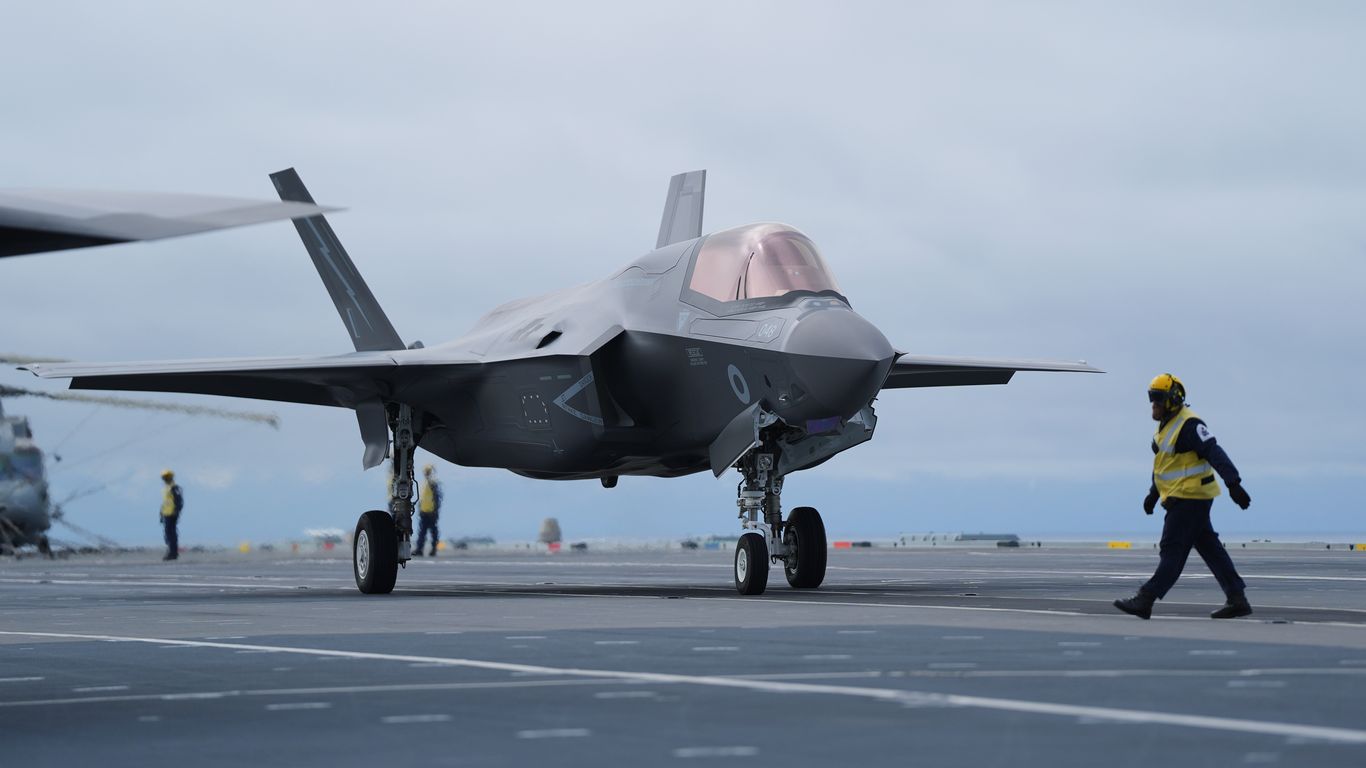
The geopolitical landscape in the Middle East continually evolves, creating intricate dynamics and shifting alliances. Recent discussions surrounding the potential sale of F-35 fighter jets from Israel to Turkey have ignited concerns about altering the regional power balance. Both nations maintain significant military capabilities, and such a transaction could have far-reaching implications.
Concerns Over Regional Stability
Israel’s apprehension stems predominantly from its longstanding focus on maintaining military superiority in the region. The acquisition of advanced F-35 fighter jets by Turkey could not only enhance their aerial capabilities but also alter the strategic equilibrium that Israel has worked diligently to uphold. The possibility of Turkey, a NATO member but a historically adversarial force in the region, gaining access to these sophisticated aircraft raises alarms about future military engagements and the very fabric of regional alliances.
Furthermore, Israel’s fears are compounded by Turkey’s recent foreign policy shifts, including burgeoning relations with other Middle Eastern nations and a certain pivot away from the West. Should Turkey successfully integrate the F-35s into its arsenal, it could embolden Ankara’s assertiveness in various regional conflicts, consequently destabilizing the already precarious balance of power.
Historical Context of Israeli-Turkish Relations
The relationship between Israel and Turkey has experienced numerous fluctuations, ranging from strategic partnerships to intense rivalries. Historically, Turkey was one of the first Muslim-majority countries to recognize Israel, and their military cooperation has been significant. However, recent years have seen a deterioration in diplomatic ties, primarily due to Turkey’s evolving stance under President Recep Tayyip Erdoğan, who has been vocal in his support for the Palestinian cause.
These historical complexities shape Israel’s current stance on the F-35 sale. Analysts argue that Israel must carefully contemplate the implications of strengthening Turkey’s military capabilities, especially considering the potential resurgence of adversarial rhetoric and actions. The geopolitical stakes are high, as any move perceived as a threat could lead to a ripple effect throughout the region, drawing in various global powers and complicating diplomatic negotiations.
Broader Implications for U.S. Foreign Policy
The F-35 sales are not solely a bilateral issue between Israel and Turkey; they have broader implications for U.S. foreign policy as well. The United States, a key player in the F-35 program, must navigate this complex situation delicately, balancing its commitments to both allies. If the sale proceeds, the U.S. risks straining its relationship with Israel, potentially emboldening other nations in the region to pursue aggressive military strategies.
Moreover, this predicament underscores the intricate web of alliances and conflicts that characterize Middle Eastern politics. As various nations grapple for influence, the ramifications of military sales could shift allegiances, spurring an arms race that destabilizes the entire region. Consequently, U.S. policymakers must take a holistic approach to foreign relations, weighing the long-term regional stability against immediate strategic advantages.
The discussion around the potential sale of F-35s to Turkey exemplifies the delicate interplay of international relations, military strategy, and regional security in the Middle East. The decision made by Israel, paired with U.S. foreign policy considerations, will undoubtedly shape the future of the region, underscoring the importance of cautious diplomacy in these critical times.