
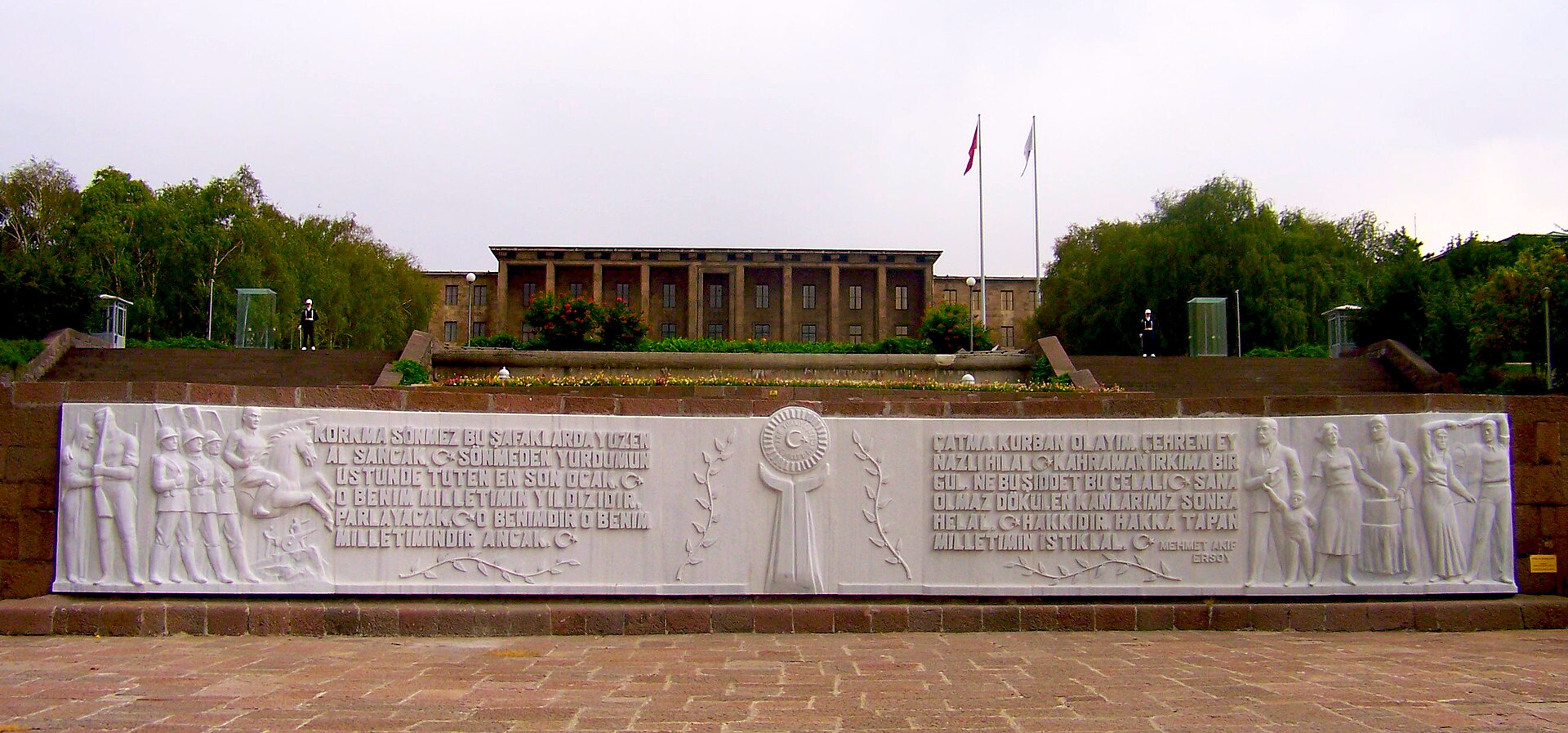
Trust in public institutions is a cornerstone of democracy, yet it can be easily eroded. Türkiye’s recent struggles with corruption and judicial integrity highlight the urgent need for citizens to regain faith in their government. According to Transparency International’s 2025 Corruption Perceptions Index, Türkiye scored a mere 31 out of 100, placing it 124th out of 182 countries. Critics have pointed fingers at the government for its handling of various cases, including the recent trial of Istanbul’s mayor and the prosecution of journalists under a controversial “disinformation” law. Understanding the broader implications of these issues is vital for the restoration of trust.
Why is Trust in Institutions Essential?
Trust forms the backbone of a functioning society. It allows citizens to believe in the fairness of judicial rulings, the integrity of media, and a political landscape where opposition can exist without fear. The Corruption Perceptions Index offers a snapshot of how citizens view the reliability of their institutions. A consistent decline in Türkiye’s score—from 50 in 2013 to 31 today—supports the argument that public confidence is waning. This decline often correlates with a downturn in civil liberties, the independence of the judiciary, and the ability of the press to function freely. Therefore, it begs the question: how do we address these deficiencies to foster a renewed sense of trust?
The State of Press Freedom in Türkiye
A healthy democracy relies on a vibrant and unencumbered press. However, recent legislation, particularly Article 217/A of Türkiye’s Penal Code, imposes severe penalties for disseminating “false or misleading” information. While the government claims that the law targets those creating public unrest, critics argue that it serves primarily to stifle dissent. Reports indicate that numerous journalists have faced charges under this law, raising alarms about whose voice gets prioritized in public discourse. The implications for investigative journalism are dire; without the ability to freely expose corruption, the very mechanisms that uphold democratic values are undermined.
Political Opposition and its Challenges
The political climate in Türkiye poses significant challenges for opposition figures. Notably, Ekrem İmamoğlu, the mayor of Istanbul, has been embroiled in legal battles that many observers have labeled politically motivated. His trial marks a turning point that could define the future of political discourse in Türkiye. As opposition leaders face increased scrutiny and allegations while in office, a deeper skepticism arises regarding the legitimacy of such charges. Critics argue that the timing of investigations often aligns suspiciously with electoral calendars, suggesting ulterior motives behind legal actions. What does this mean for future political engagement when trust in the system appears so compromised?
A Path Toward Building Trust
So, how can Türkiye restore trust in its institutions? Several practical recommendations exist. Implementing independent audits of public spending can ensure that similar cases receive equal scrutiny, regardless of party affiliation. Publishing criteria for initiating investigations and ensuring open hearings can further enhance transparency. Trust can only be rebuilt when the processes underlying judicial actions are clear and available for public review. Moreover, reevaluating laws that stifle press freedom could lead to a more vibrant civil society, fostering an environment where public interest and accountability are prioritized.
Restoring trust is akin to repairing essential infrastructure; it may not always be visible but is critical for societal functioning. Open hearings and consistent standards can reassure both the government and opposition that the judicial process is fair. As such, the freedom of the press plays a pivotal role in enabling both sides to navigate disputes and work toward mutual understanding. Ultimately, what will it take for citizens in Türkiye to accept outcomes delivered by their institutions? Only through renewed commitment to fairness and transparency can the question be answered.