
As discussions unfold in Greece regarding the commencement of surveys for the Great Sea Interconnector, an electricity link intended to connect with Cyprus, Turkey is making strides in its own energy initiative. This involves the development of a subsea natural gas pipeline that will connect southern Turkey to the part of Cyprus under Turkish control.
Turkey’s Strategic Energy Initiatives
Turkey’s Energy Ministry has been actively coordinating with its Foreign and Defense ministries and the state oil company, TPAO, to advance this project. A significant milestone was reached in June when a memorandum was signed to construct a 97-kilometer bidirectional subsea pipeline. This pipeline aims to enhance Turkey’s energy influence in the region and strengthen ties with northern Cyprus, which has increasingly relied on Turkey for various resources.
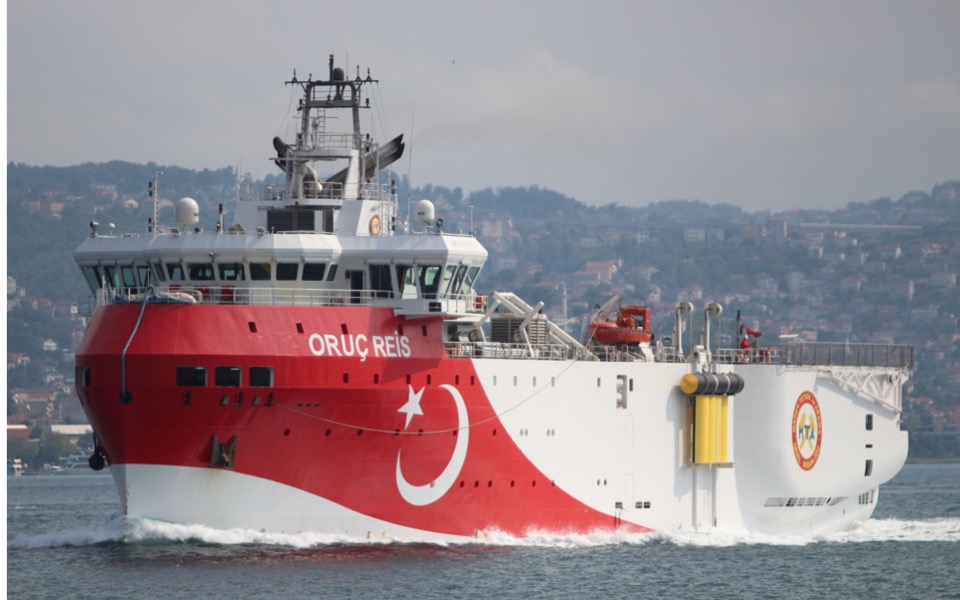
In October, Turkey’s naval hydrographic service in Antalya is anticipated to issue a NAVTEX notice regarding the pipeline. Survey operations for the proposed pipeline route will be conducted using the TPAO vessel, Oruc Reis, alongside naval escorts. Should these surveys be successfully finalized, the project could progress swiftly, particularly since a significant portion of the pipeline infrastructure is reportedly already in place.
Political Implications for Cyprus
The planned pipeline ties into Turkey’s broader strategy concerning the Turkish-Cypriot north, further cementing the region’s reliance on Ankara. In recent years, Turkey has facilitated water supply to northern Cyprus through existing pipelines, effectively increasing pressure on the Republic of Cyprus, which grapples with chronic water shortages and intense drought conditions. This situation heightens the geopolitical stakes on the island, complicating relations between the two sides.
Beyond immediate resource provision, this initiative is also woven into Turkey’s overarching ambitions to establish two distinct states within Cyprus. The geographical area the pipeline occupies remains firmly under Turkish control, which limits the Republic of Cyprus’s options for retaliatory measures, leaving only customary objections that are often raised but have little impact.
The Greek Response
In light of these developments, Greece has made it clear that it will be the sole authority in granting licenses for the Greece-Cyprus electricity interconnection project, emphasizing adherence to international law. Greek Foreign Minister Giorgos Gerapetritis reaffirmed this point, indicating a national commitment to the integrity of the project amidst external pressures. Furthermore, Energy Minister Stavros Papastavrou noted that no decisions have been made regarding alterations to the cable’s route, ensuring that Greece’s stance remains firm.
Both Turkey’s pipeline undertaking and the ongoing discussions about the electricity interconnection reflect the complex energy dynamics in the eastern Mediterranean. As both nations assert their interests, the region stands at a crossroads of energy diplomacy and geopolitical maneuvering, making the outcomes of these endeavors particularly significant for the future of energy in the area.