
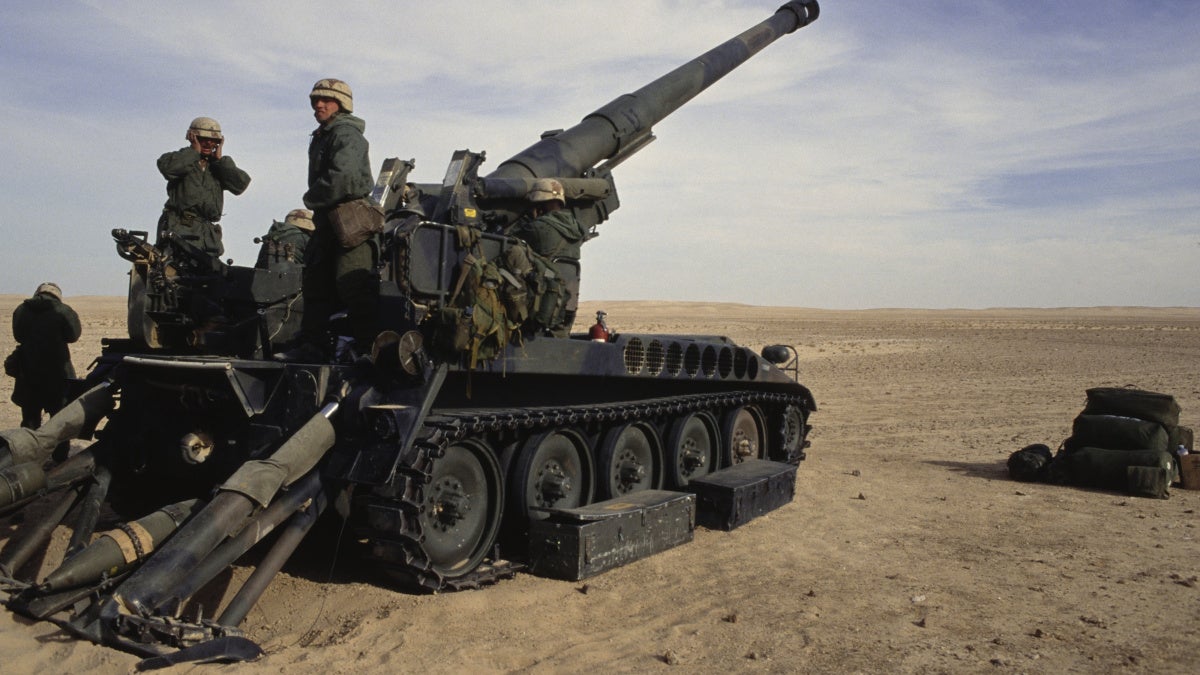
Türkiye has recently sought authorization from the United States to supply Ukraine with a significant quantity of cluster munitions, including rockets, missiles, and artillery shells that have remained in its inventory for many years. The move has been highlighted by Human Rights Watch, raising concerns about the implications of such a transfer.
Cluster Munitions: What are They?
Cluster munitions are explosive weapons designed to disperse smaller sub-munitions or bomblets over a wide area. These devices can have devastating consequences, as they often leave unexploded ordnance scattered across the landscape, posing long-term risks to civilians. Despite their widespread use in various conflicts around the world, many countries have recognized the dangers associated with cluster munitions and have taken steps to restrict or ban their use entirely.
Türkiye’s Stockpile and International Concerns
Türkiye’s request to re-export these weapons comes amid ongoing tensions in eastern Europe, particularly as Ukraine continues to face aggression. The stockpiled munitions, decades old, have raised alarms regarding their efficacy and safety. Critics argue that supplying Ukraine with such weapons could lead to increased civilian casualties and further complicate an already volatile situation. International human rights organizations have urged nations to reconsider their positions on cluster munitions, emphasizing the need for humanitarian accountability.
The Response from the United States and Allies
The U.S. government’s response to Türkiye’s request will be scrutinized closely, given its implications for international arms control and human rights. Allies in Europe are also likely to weigh in, with some expressing concerns about the ethical ramifications of using cluster munitions in contemporary warfare. The balances between military aid and humanitarian considerations are delicate, and decisions made in the coming weeks could set important precedents for international military assistance.
Future Implications for Ukraine and Regional Stability
If the U.S. grants permission for the transfer, it could significantly alter the landscape of military support for Ukraine. While cluster munitions might provide a temporary advantage on the battlefield, the long-term consequences could be dire. Unexploded ordnance poses ongoing risks to civilians, long after the conflict has subsided. This concern has led many humanitarian organizations to advocate for stricter controls on such weaponry, regardless of the circumstances.
In summary, Türkiye’s request for the transfer of cluster munitions to Ukraine has ignited a debate about the ethics of using such controversial weapons in war. The potential decision by the U.S. and its allies could have far-reaching effects on regional stability and humanitarian conditions in the affected areas. As discussions progress, the international community will need to balance military support with ethical obligations to protect civilians from the legacy of war.