
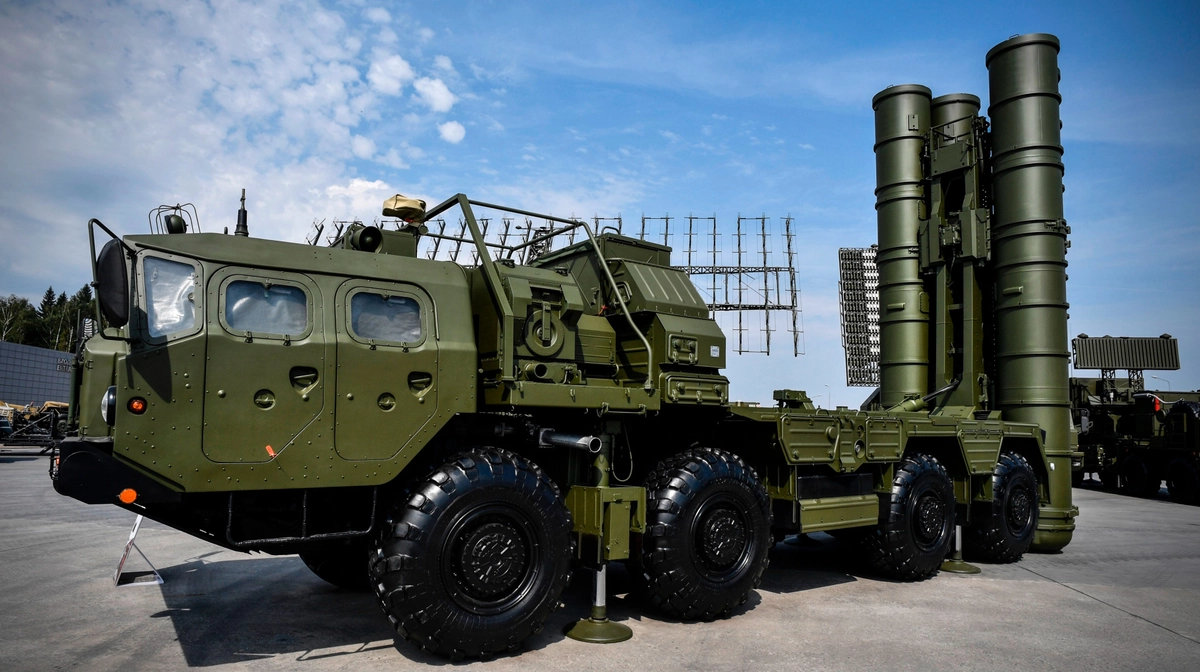
Türkiye is navigating a complex geopolitical landscape as it seeks to transfer its Russian-made S-400 air defense systems to a third nation. This move is intended to facilitate negotiations for acquiring American F-35 fighter jets, a project that has faced hurdles due to Türkiye’s existing ties with Russia. Understanding this delicate situation is crucial for evaluating future developments in international military agreements.
Türkiye’s Strategic Initiative
In recent weeks, Ankara has initiated discussions to secure approval from Russia for this transfer of the S-400 systems. This proposal follows President Recep Tayyip Erdoğan’s earlier suggestion to return the systems to Russia. However, Turkish sources have reported that this idea has not gained widespread backing within the government. The complexities surrounding the S-400 systems demonstrate Türkiye’s attempt to balance its military interests with international relations, particularly with the West.
According to recent information from Bloomberg, even a successful transfer of the S-400 systems may not alleviate U.S. concerns regarding security risks. U.S. senators indicated that any transfer would not resolve the underlying issues stemming from Türkiye’s acquisition of the Russian technology. This skepticism highlights the tenuous nature of Türkiye’s negotiations and the broader implications for NATO dynamics.
Discussions with Russia and the U.S.
As discussions between Türkiye and Russia progressed, they coincided with the NATO leaders’ summit. Reports suggest that U.S. President Donald Trump has hinted at potentially lifting the restrictions on Türkiye’s purchase of the F-35 fighter jets. Talks with Russia are believed to have included mentions of the S-400 systems. Turkish Foreign Minister Hakan Fidan recently met with Russian President Vladimir Putin, confirming that the S-400 issue is indeed a topic of concern in diplomatic circles.
In a related proposal, Türkiye considered the possibility of retaining the S-400 systems, with U.S. oversight to mitigate fears about the data these systems could potentially gather. However, this suggestion has reportedly been dismissed by U.S. officials, underlining the challenges Ankara faces in reconciling its needs with U.S. security protocols.
The Background of Türkiye’s Dilemma
The acquisition of the S-400 systems has been a contentious issue, as U.S. legislation currently prohibits the sale of F-35 jets to Türkiye while it possesses Russian systems. American lawmakers argue that the S-400 poses significant security risks to the advanced F-35s, which are central to NATO’s aerial capabilities. This ongoing standoff also impacts Türkiye’s relations with other NATO member states, leaving Ankara in a difficult position.
Despite having the S-400 systems in its arsenal, Turkish officials report that they are not currently operational. This fact further emphasizes Türkiye’s precarious situation, as it aspires to enhance its military capabilities amid external pressures. The need for advanced fighter jets coupled with the limitations imposed by international agreements continues to place Türkiye’s defense strategy under the spotlight.
In conclusion, Türkiye’s quest to navigate its defense procurement path illustrates the intricacies of international diplomacy. Balancing its interests with both Russia and the United States involves not only economic ramifications but also geopolitical considerations that could shape the future of NATO and regional stability.