
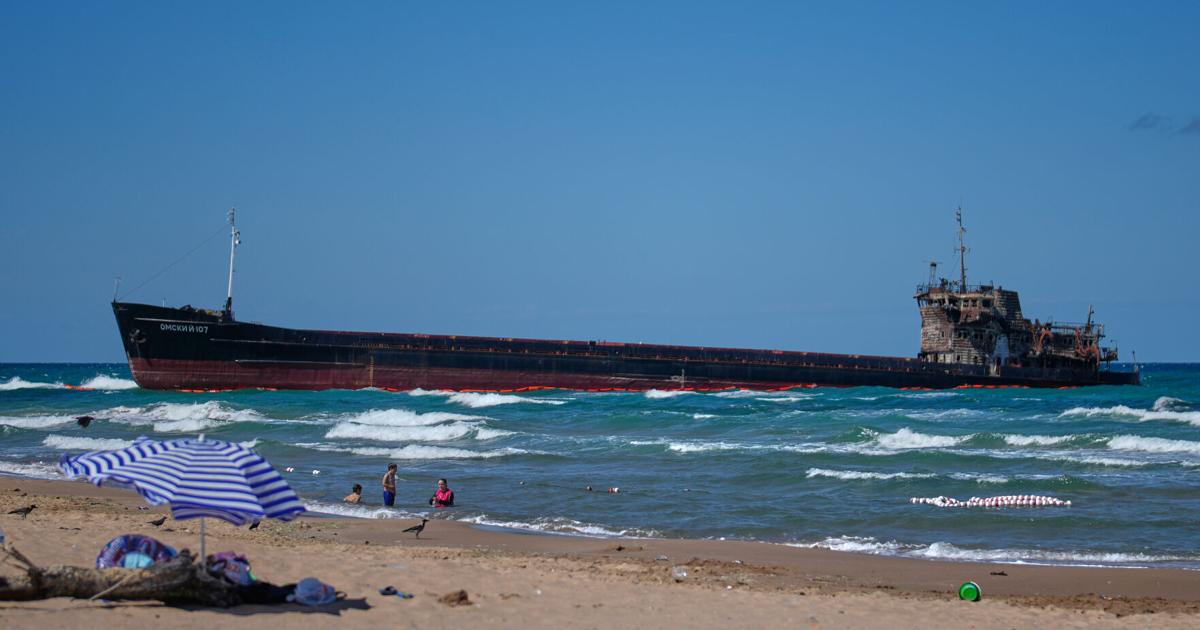
On September 7, 2026, the Russian cargo vessel Omskiy-107 found itself stranded off the coast of Alacali Beach in the Sile district of Istanbul, Turkey. This incident unfolded as the ship drifted across the Black Sea, sparking concerns about maritime safety and environmental implications.
The Journey of Omskiy-107
Originally, the Omskiy-107 was transporting goods across the Black Sea when unforeseen conditions led to its drift. The vessel’s crew likely faced challenges such as adverse weather and navigational difficulties, contributing to its unfortunate grounding. Such scenarios on busy maritime routes are not uncommon, often resulting from a combination of human error and environmental factors.
The positioning of the ship has raised eyebrows among maritime authorities, highlighting the need for increased vigilance in the region. As traffic in the Black Sea continues to grow, incidents like this underscore the necessity for robust safety protocols to protect both cargo vessels and coastal communities. Investigations into the ship’s condition and the potential causes of its drift are likely to follow.
Environmental Impact and Concerns
One of the foremost concerns regarding the grounding of the Omskiy-107 relates to its environmental impact. Cargo ships often carry hazardous materials, which pose a risk to local ecosystems if any spillage occurs. The Turkish authorities and environmental groups are on alert, ready to respond should any leaks threaten the pristine waters of the Black Sea. The potential for pollution can disrupt marine life and harm fishing communities reliant on these waters for their livelihood.
In addition to the immediate environmental concerns, there are long-term implications for maritime operations. A review of nautical regulations may be prompted, including a thorough reassessment of navigation aids in this heavily trafficked region. By doing so, authorities can work towards preventing future incidents and protecting the delicate balance of marine ecosystems.
Maritime Safety Protocols
The incident involving Omskiy-107 emphasizes the importance of adhering to maritime safety protocols. Ships navigating the challenging waters of the Black Sea must maintain strict compliance with international regulations, including guidelines on maintaining vessel integrity and stability. Training for crews that operate in these conditions is critical in ensuring responsiveness in the face of emergencies.
Furthermore, advancements in technology such as GPS tracking and real-time weather monitoring can enhance the safety of maritime routes. By integrating these technologies, shipping companies can proactively manage risks and reduce the likelihood of similar incidents, fostering a safer environment for both crew members and marine ecosystems.
Conclusion: Lessons Learned
The grounding of the Omskiy-107 serves as a poignant reminder of the vulnerabilities that exist in maritime operations. As the global shipping industry continues to expand, it is imperative that lessons learned from this incident be utilized to improve safety measures. By reinforcing regulations, updating navigation systems, and investing in crew training, the maritime community can work effectively towards preventing similar occurrences in the future.
The incident not only challenges the existing safety protocols but also emphasizes the urgent need for enhanced cooperative efforts among nations and stakeholders operating in the Black Sea region. Through collaboration and vigilance, it is possible to maintain safe shipping traditions while preserving the ecological richness of this essential waterway.