
US-Iran Ceasefire Negotiations: Implications for Israel
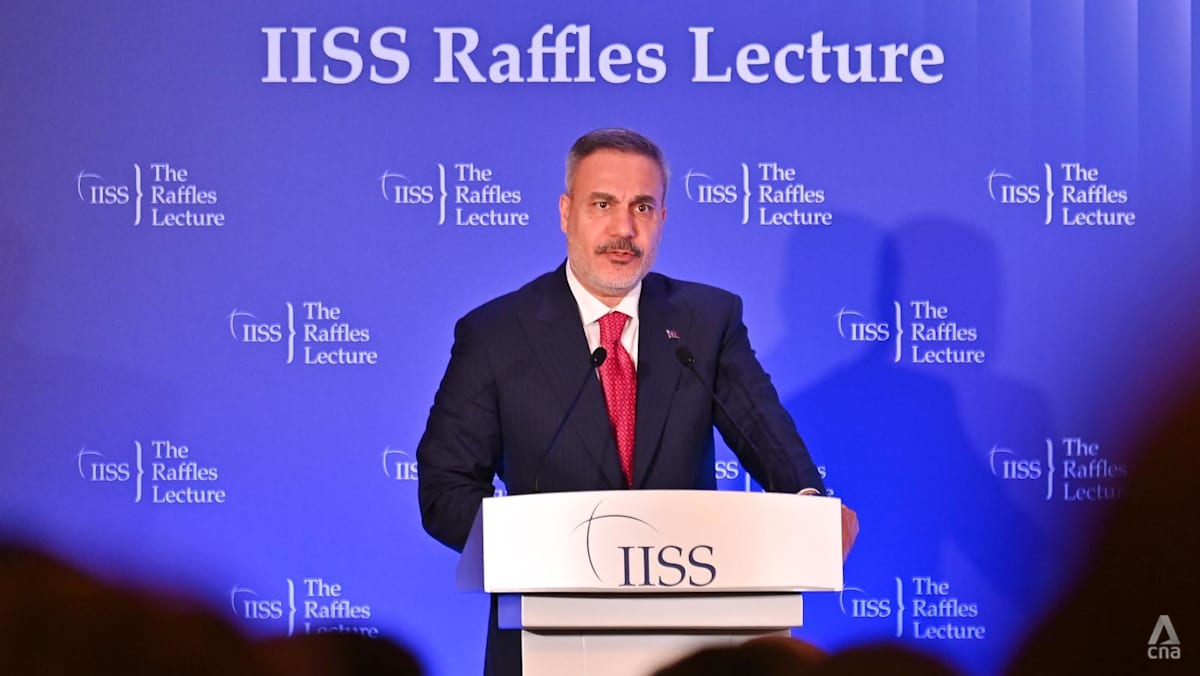
The ongoing tensions in the Middle East have brought attention to the potential for a ceasefire agreement between the United States and Iran. Turkish Foreign Minister Mevlüt Çavuşoğlu, also referred to as Fidan, expressed optimism regarding the sincerity of both nations in reaching a ceasefire. However, the situation is complex, particularly for US ally Israel.
Recent Escalations
On February 28, a significant escalation occurred when the US and Israel launched strikes on Iranian cities. This prompted Iran to retaliate with missile attacks against both Israel and various Gulf Arab allies of the US that host American military installations. Following these exchanges, Iran took further actions by blocking crucial shipping routes in the Strait of Hormuz, a strategic artery for global oil logistics. These developments underscore the mounting pressure both nations face, as they may have a mutual interest in re-opening the Strait despite their conflicting agendas.
Israel’s Perspective
Fidan highlighted that Israel may not view a ceasefire as advantageous. He referenced communications between Iranian officials and their counterparts in Turkey concerning Israeli troop movements in Lebanon, describing them as crossing a line. “What Israel is doing in Lebanon is clearly in violation of our understanding,” Fidan noted, alluding to the actions of Israeli Prime Minister Benjamin Netanyahu’s government. Israel’s military campaigns in both Lebanon and Gaza have faced heavy criticism from Turkey, emphasizing the geopolitical rift that has developed in the region.
Turkey’s Position
Turkey has vocally condemned Israel’s military operations, especially concerning its engagements with Iran and in Gaza. President Recep Tayyip Erdoğan has warned that such aggressive actions could lead to a wider conflict within the Middle East, which would have dire consequences for the region. Given Turkey’s 560-kilometer border with Iran, the two nations share a complicated relationship that shapes their geopolitical interests. Erdoğan’s stance reflects a broader concern about stability in the area, as ongoing conflicts could lead to significant instability not only for Iran and Israel but also for neighboring countries.
Ongoing Negotiations
Amidst these tensions, US President Donald Trump indicated that talks with Iran were advancing swiftly. However, Iran maintains a firm position, indicating that it is evaluating the proposed agreement with the US. Iran’s Mehr News Agency shared that Tehran is taking a critical view of the negotiations owing to a history of perceived US non-compliance and deep-rooted mistrust. This backdrop complicates the prospect of achieving a lasting truce, and despite weeks of indirect talks, threats, and air strikes, the pathway to peace remains fraught with challenges.
In conclusion, while there may be an interest in reaching a ceasefire, particularly among the US and Iran, the practicalities of the situation make it a delicate endeavor. Israel, feeling under threat from these developments, may have its own reservations about a ceasefire. The stakes are high, and the intricate web of alliances and rivalries in the region suggests that achieving a lasting and comprehensive solution will be a formidable task.