
Turkish authorities have recently dismantled a significant international fraud network accused of misleading investors through deceptive foreign exchange and cryptocurrency trading schemes. This operation led to the arrest of 201 individuals, including nine nationals from Israel, and is believed to have caused global losses exceeding $3 billion.
Major Law Enforcement Actions
The Turkish crackdown involved coordinated raids in Istanbul and Muğla, directed by the Istanbul Chief Public Prosecutor’s Office, along with local police, intelligence services, and Interpol. Investigators targeted numerous companies and call centers, and the number of detained suspects could potentially grow as more individuals remain under investigation. Turkish Justice Minister Akın Gürlek highlighted the network’s international ties, particularly its connections to Israel, and stated that those in charge had been running elaborate fraudulent schemes disguised as legitimate operations.
Modus Operandi of the Fraudulent Network
The scam functioned through widespread online advertising across social media platforms, search engines, and websites. These ads attracted potential victims, who were subsequently contacted by representatives fluent in their languages. These representatives then encouraged victims to invest in foreign exchange and cryptocurrency ventures. Initial investments were often small, but victims were persuaded to deposit larger sums by showcasing fictitious profits on trading platforms.
When victims attempted to reclaim their investments, they often found their accounts labeled as “frozen.” To regain access, they were frequently coerced into making additional payments under various false pretenses, such as tax obligations or fees for unfreezing their accounts. Investigators uncovered that these funds did not go towards actual investments but were instead routed to bank accounts and cryptocurrency wallets held by the network outside of Turkey. Reports indicate that 42 call centers affiliated with 28 companies played a role in this extensive scheme, with Interpol having received numerous complaints from deceived investors.
Reactions and International Implications
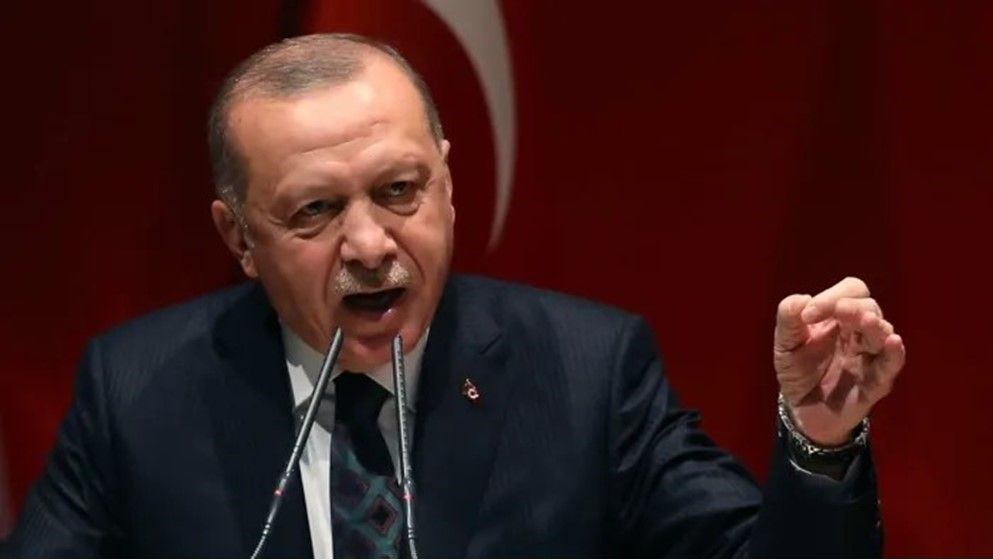
Following the operation, Turkish President Recep Tayyip Erdoğan publicly criticized Israel, suggesting that the crackdown was an effort to fortify a “terror-free Turkey.” Erdoğan asserted that Turkey would systematically sever supply lines from those he deemed enemies of the state. The presence of Israeli nationals within the network has sparked significant media interest in Turkey, with local outlets circulating names and claiming the group was “Israeli-linked.”
While some reports suggested the presence of a so-called “Mossad cell,” such claims remain unverified and are primarily based on media speculation. As the investigation continues, concerns about the potential implications of such allegations are rising, particularly regarding international relations between Turkey and Israel.
Diverse Nationalities Among the Detainees
The investigation revealed a diverse array of nationalities among the detained individuals. Out of the 201 arrests, 156 were Turkish citizens, while 45 were foreign nationals—including nine from Israel and 11 from Pakistan, as well as individuals from Azerbaijan, Syria, Ukraine, Thailand, Indonesia, and Morocco. Many of the implicated companies operated under the guise of service providers or consultants, employing multilingual personnel to convince victims to transfer their funds before siphoning the cash out of Turkey.
This case raises important questions about the extent of the financial crimes committed and the connections between Israeli nationals and those involved in the fraud. Israel’s Foreign Ministry has confirmed that it is investigating the detentions and is dedicated to ensuring the legal rights of its citizens are upheld in the wake of these allegations. As the matter unfolds, it signifies the complexities entwined in international financial crimes and the implications they hold for diplomatic relations.