
Turkey’s Interior Ministry recently made headlines by revoking the citizenship of 6,134 individuals who gained their status through the country’s citizenship by investment (CBI) initiative. This decision highlights the ongoing scrutiny surrounding investment-based citizenship programs, aiming to ensure that these processes are not misused.
Categories of Revoked Citizenship
The revocations fall into two distinct categories based on varying legal grounds. Investigations carried out by various governmental agencies revealed that 1,150 investors had engaged in collusive or irregular transactions, leading to the cancellation of their investment eligibility certificates. This affected not only the principal investors but also their families, resulting in a total of 5,391 individuals losing their Turkish citizenship.
In a second, smaller set of cancellations, police and national security agencies identified 263 investors as problematic individuals after they were already naturalized. While no allegations of fraud were made against this group, their citizenship was revoked over concerns related to public order and national security. As a result, an additional 743 individuals lost their citizenship status.
Accelerated Enforcement in 2024
The pace of enforcement actions has accelerated sharply this year. Since February 11, 2024, the cancellation of eligibility certificates has led to the revocation of Turkish citizenship for a total of 1,358 individuals, encompassing both principal investors and their families, with others facing revocation due to security concerns.
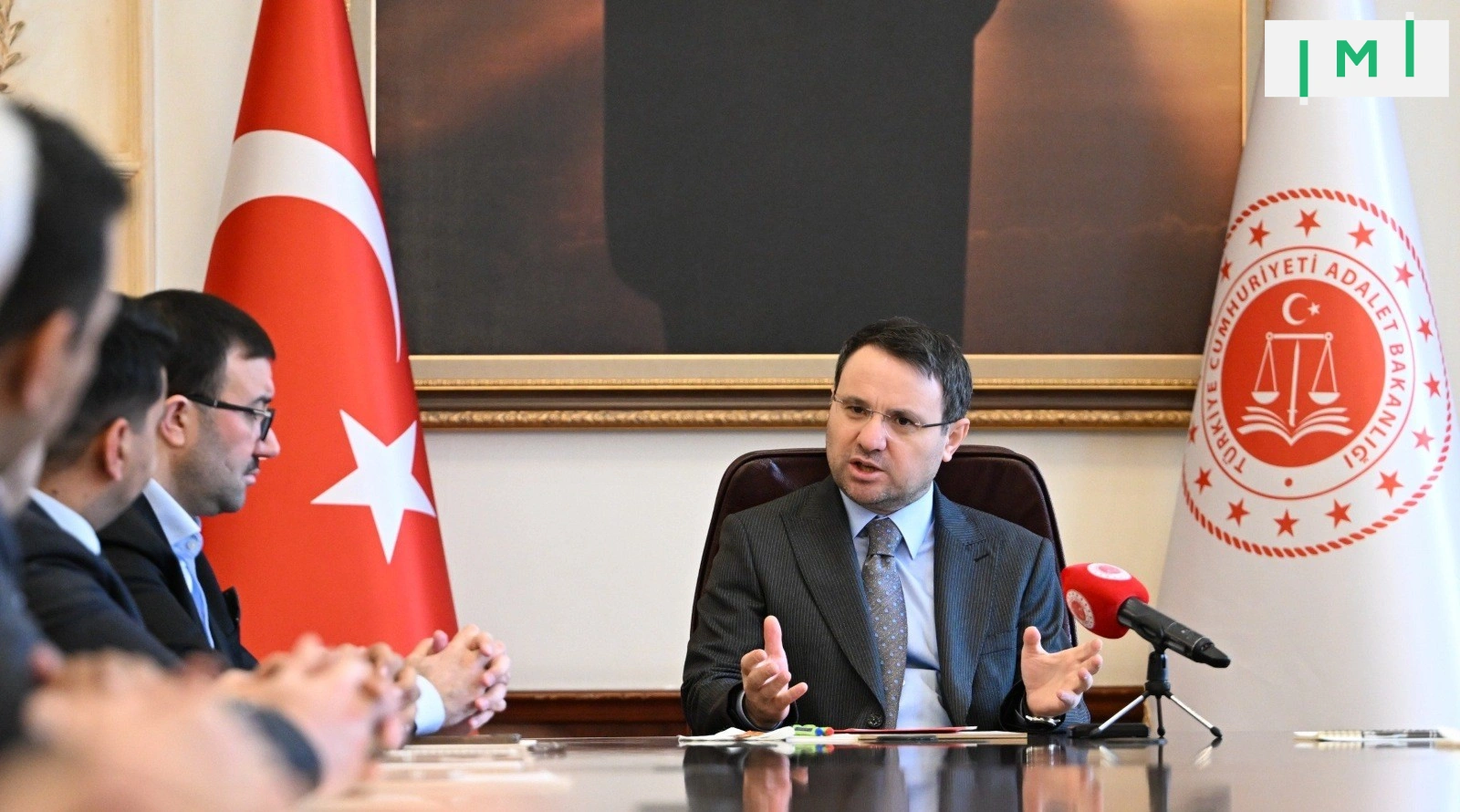
This crackdown coincided with a police operation initiated by Justice Minister Akın Gürlek, which targeted 90 suspects. Authorities successfully apprehended 72 individuals across 16 provinces and seized properties, vehicles, and bank accounts worth an estimated TL 2.5 billion (roughly $52.6 million). This highlights the government’s commitment to maintaining the integrity of the CBI program and cracking down on fraudulent activities.
Legal Framework for Revocation
The ministry’s actions were based on two legal provisions within Law No. 5901. Article 31 addresses cancellations resulting from false declarations, while Article 40 pertains to withdrawals related to individuals who do not meet legal conditions—typically those flagged for security reasons. An important aspect of these revocations is that they extend to family members, meaning if the principal applicant’s citizenship is revoked, their spouse and children also lose their status.
Upon cancellation, individuals revert to foreigner status under Turkish law, with a stipulation that they must liquidate their Turkish assets within one year. Unsold properties after this period are sold by the Treasury, underlining the serious consequences of failing to comply with the regulations.
Modernization of the CBI Program
The Turkish government has made significant reforms to tighten the CBI process and minimize the potential for exploitation. Key changes include redesigning the valuation framework and establishing exclusive authority for property appraisals under the Housing Development Administration. These measures have effectively closed loopholes that were previously exploited, leading industry experts like Aran Hawker to claim that the “same scam is impossible to do today.”
Hawker’s insights suggest that previous fraudulent activities occurred during a less regulated phase of the program, particularly between 2018 and 2022, when the investment threshold was significantly lower. The strict new regulations aim to ensure that only legitimate investments contribute to the CBI program’s growth.
In summation, the recent actions by Turkey’s Interior Ministry serve as a strong warning against fraudulent activity within the citizenship by investment program, while further strengthening its integrity and transparency for future investors. As the government implements stricter guidelines and rigorous vetting processes, it aims to restore trust in the program and enhance its reputation on the global stage.