
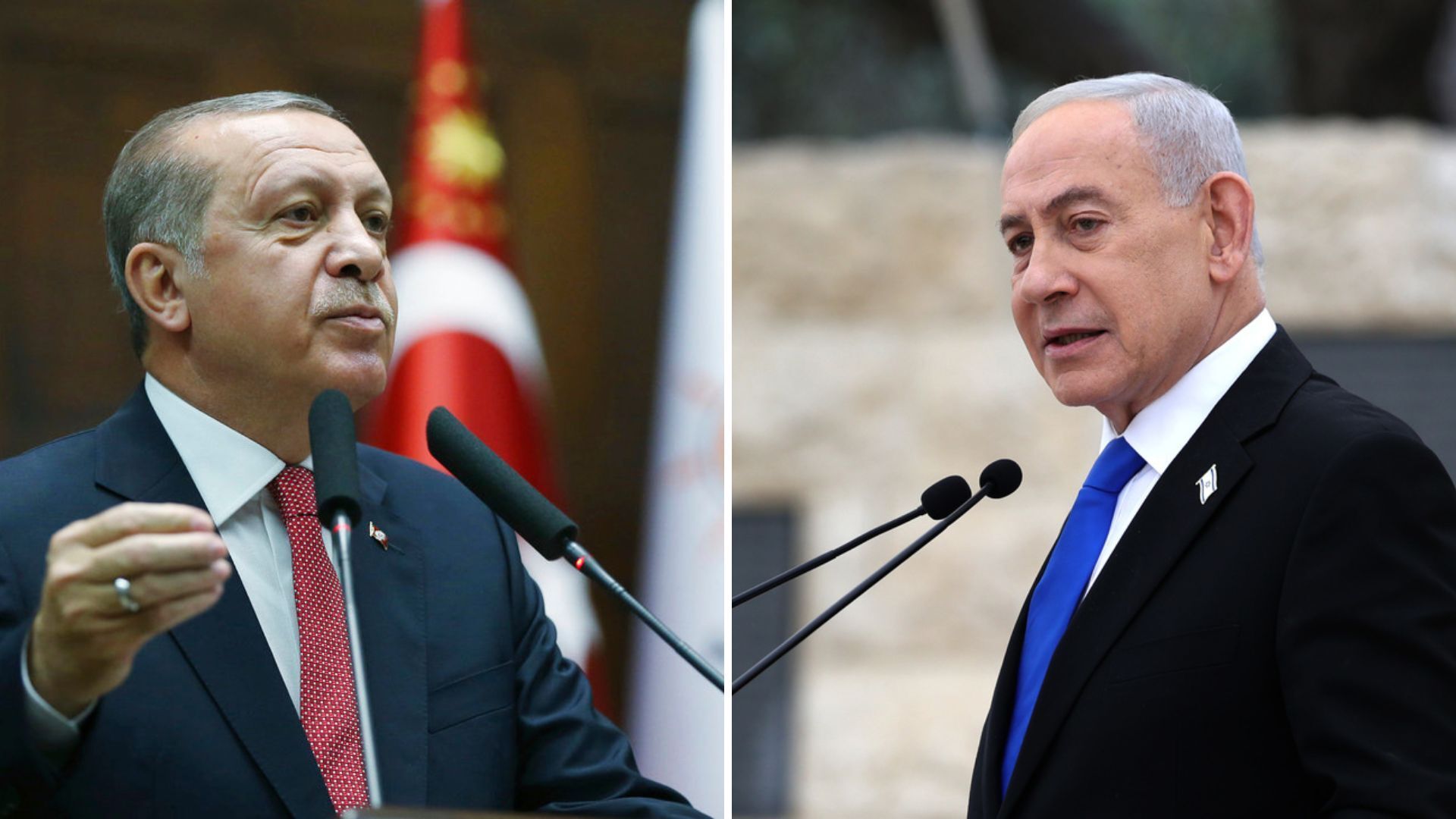
Turkey has accused Israel of leveraging the recognition of the Armenian Genocide to divert attention from its actions in Gaza. This accusation followed the unanimous decision by Israel’s cabinet to officially recognize the massacres of Armenians in 1915 as genocide.
Turkey’s Strong Condemnation
In a statement issued by its Foreign Ministry, Turkey characterized Israel’s decision as a strategic misdirection. The statement asserted, “The Israeli government, which systematically persecutes the Palestinian people in full view of the world and is being tried at the International Court of Justice for genocide against the people of Gaza, aims to cover up its own crimes.” It further claimed that this action reflects the “predicament of Netanyahu and his accomplices,” who are facing arrest warrants from the International Criminal Court. This sharp rhetoric underscores the long-standing tensions between Turkey and Israel, particularly in the context of their divergent historical narratives.
Israel’s Cabinet Approval
Israel’s cabinet voted unanimously to recognize the Armenian Genocide, a move led by Foreign Minister Gideon Sa’ar. He stated, “Just a short while ago, the Government of Israel approved the resolution I brought before it to officially recognize the Armenian Genocide.” Sa’ar emphasized that the recognition is a moral obligation tied to Jewish identity and highlighted the cabinet’s intention to condemn any denial of the genocide. However, for this decision to be fully binding, it still needs to pass a vote in the Knesset.
Turkey’s Position on Historical Events
Turkey has consistently rejected the characterization of the events of 1915 as genocide, referring to them instead as “The events of 1915.” The Turkish government argues that acknowledging these events as genocide overlooks both legal and historical facts. Estimates from historians suggest that around 1.5 million Armenians lost their lives at the hands of Ottoman Turks during World War I, an act widely recognized by scholars as the first genocide of the 20th century. Turkey contends that these figures have been exaggerated, asserting that those who perished were victims of civil war and unrest rather than genocide.
International Context and Relations
Israel’s recognition places it alongside 32 United Nations member states that officially acknowledge the Armenian Genocide, including prominent nations like the United States, Germany, and Russia. Historically, Israel has been cautious about recognizing the genocide, primarily due to concerns about straining relations with Turkey, a former ally. However, ties between the two nations have soured significantly over the past two decades, particularly during various conflicts in Gaza, Lebanon, and Iran.
This latest decision by Israel is also likely to complicate its relationship with Azerbaijan, an important regional partner. Israel has previously supplied arms to Azerbaijan amid its conflicts with Armenia. The acknowledgment of the Armenian Genocide is expected to create a ripple effect in diplomatic relations across the region, as these geopolitical dynamics continue to evolve.
In summary, while Israel’s recognition of the Armenian Genocide aligns it with numerous other countries, it has ignited strong reactions from Turkey and is set to further complicate its foreign relations with key partners in the region.