
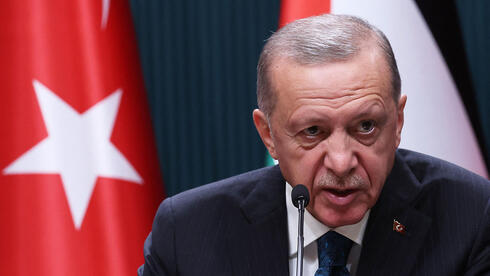
In recent statements, Turkish President Recep Tayyip Erdogan condemned Israel’s recognition of the Armenian genocide, asserting that such actions stem from a network of “murderers.” This strong rhetoric follows a Cabinet meeting in Ankara, where Erdogan was vocal about his disdain for Israel’s actions, pointing to the loss of 73,000 lives in Gaza as a significant context for his claims.
Turkey’s Response to Israel’s Recognition
Erdogan made his remarks shortly after the Israeli Cabinet unanimously approved the recognition of the genocide against the Armenian people, a historical event that took place during the final years of the Ottoman Empire. He stated firmly that there has been no colonialism or genocide in Turkey’s history, emphasizing that Turkish history is defined by acts of “mercy and justice.” This statement highlights Turkey’s long-standing opposition to characterizing the events of 1915 as genocide, a label that has significant implications both historically and politically.
The Israeli decision, presented by Foreign Minister Gideon Sa’ar, has introduced a significant shift in Israeli policy. Sa’ar argued during the Cabinet session that “it is never too late to do the right thing.” The government resolution expressed a “moral and historical obligation” to recognize the genocide and underscored a commitment to condemning any denial or distortion of these historical events. This internal Israeli consensus could further exacerbate the already delicate diplomatic relationship between Israel and Turkey.
Armenia’s Cautious Reaction
In contrast to Turkey’s vehement response, Armenia expressed a cautious stance regarding Israel’s decision. Armenian Prime Minister Nikol Pashinyan noted that Armenia does not intend to manipulate the issue of genocide for political gain, indicating a desire to maintain focus on national interests rather than engaging in international disputes. This approach reflects Armenia’s strategy of avoiding the politicization of their historical narrative while simultaneously acknowledging its significance.
The Turkish government, along with Azerbaijan, sharply criticized Israel’s move. Turkey accused Israel of attempting to divert attention from the ongoing conflict in Gaza, suggesting that the Israeli recognition serves ulterior motives. Azerbaijan, a close ally of Turkey, urged Israel to reconsider its stance, labeling the decision as historically inaccurate. This dynamic illustrates how regional alliances and historical narratives are intertwined in the politics surrounding the recognition of historical atrocities.
The Historical Context and Its Implications
The events of World War I led to the deaths of approximately 1.5 million Armenians, an event that historians widely regard as the first instance of genocide in modern history. Turkish officials refute this characterization, arguing that the fatalities were the results of civil unrest and not a systematic genocide. This denial has led to decades of strained relations with countries that recognize the Armenian genocide, deepening diplomatic tensions and complicating Turkey’s international relations.
As the situation evolves, the implications of Israel’s recognition of the Armenian genocide may reverberate through regional politics, affecting alliances and diplomatic engagements. The historical context of these events remains a painful and contentious topic, shaping the relationships between Turkey, Armenia, and Israel.