
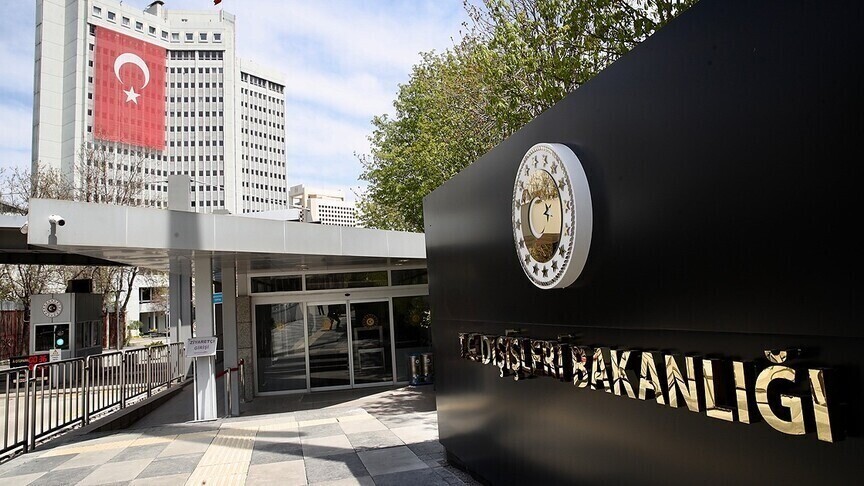
On September 14, 2026, Turkey publicly denounced statements made by Greek authorities regarding historical events in Anatolia. The Turkish Foreign Ministry criticized these claims as unfounded and called for a more rational dialogue between the two nations. This exchange sheds light on ongoing tensions and the historical context influencing current diplomatic relations.
Turkey’s Response to Greek Allegations
Turkey’s condemnation of the Greek remarks reflects a broader concern over historical narratives that shape modern geopolitical dynamics. In an official statement, the Turkish Foreign Ministry emphasized that Greece’s assertions about its historical role in Anatolia are not only incorrect but also disregards the painful memories associated with that era. The ministry’s assertion speaks to the deeply rooted historical grievances that can complicate relations between the two countries.
Historical Context and Claims
In its statement, Turkey pointed to a history of violence and hardship endured by civilians in Anatolia during Greece’s attempts at expansion. The Turkish authorities invoked a time when Greek forces were responsible for significant civilian suffering, arguing that these events should not be overlooked in contemporary discussions. Furthermore, the Turkish government mentioned that Greece has historically recognized its actions and has obligations to address the consequences, specifically referencing Article 59 of the Treaty of Lausanne, which outlines reparations for war atrocities.
Call for Rational Dialogue
In response to the ongoing tensions, Turkey urged Greek officials to engage in discussions marked by seriousness and a focus on shared historical truths. This call for a return to a rational discourse indicates that both nations could benefit from confronting their past in a constructive manner. Acknowledging historical wrongs on both sides may open pathways to a more amicable future and foster cooperation rather than conflict.
Implications for Future Relations
The exchange between Turkish and Greek authorities showcases the ongoing impact of historical grievances on present-day diplomatic relationships. As both countries navigate these complex narratives, the way they choose to engage with their shared past will significantly influence their future interactions. Addressing these historical issues might not only mitigate tensions but can also pave the way for collaboration in other areas, such as trade, security, and regional stability.
In summary, Turkey’s recent rebuttal of Greek claims highlights the need for both nations to engage in thoughtful and rational discussions about their histories. With calls for seriousness and acknowledgment of past actions, there exists an opportunity to foster improved diplomatic relations and secure a more peaceful future for both countries.