
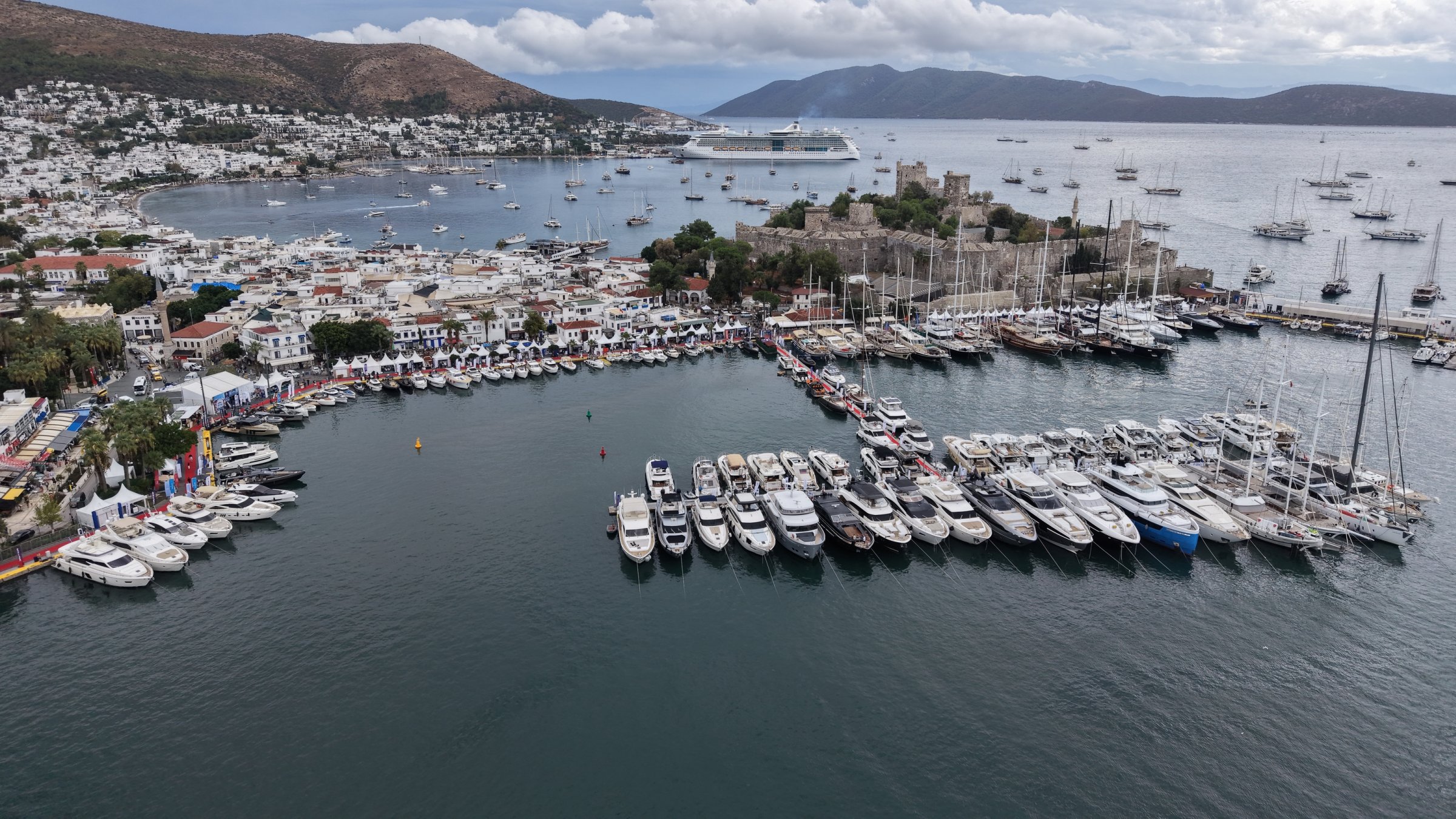
Türkiye boasts a prominent position in the global yachting sector, extending its influence far beyond its stunning coastlines. The country serves as a hub for yacht manufacturing aimed at international buyers, while also maintaining a robust network of marinas and shipyards. As Türkiye continues to attract sailing enthusiasts to its Aegean and Mediterranean destinations, integrating these aspects could pave the way for increased growth in both tourism and maritime services.
Showcasing Opportunities at Bodrum Boat Show
The recent Bodrum Boat Show, held from October 14 to 18, showcased the potential lurking in Türkiye’s yachting industry. The event brought together boat builders, brokers, and potential buyers in a location deeply associated with sailing holidays and traditional wooden gulets. It highlighted the synergy between Türkiye’s rich maritime history and its contemporary yacht manufacturing capabilities. With a growing international market for yacht ownership and chartering, the opportunities for expansion are significant.
Beril Hasdemir, the regional manager of Sunreef Yachts, noted that customer preferences are evolving, especially in how individuals view their time on the water. According to her, many are now looking for yachts that can serve as temporary homes rather than mere luxury purchases. “People want more space on the sea,” she said, emphasizing that some clients choose to live on their yachts, transforming them into mobile residences.
While this niche market may still be specialized, it underscores the myriad opportunities that yachting presents. From charter holidays and marina services to maintenance and provisioning, there’s a broad spectrum of activities linked to yachting. By connecting its manufacturing strengths with the allure of its natural beauty, Türkiye can seize a larger portion of this varied market.
Connecting Ports and Destinations
The western and southern coasts of Türkiye provide a network of picturesque ports and sheltered bays that facilitate sailing routes connecting popular destinations like Bodrum, Datça, Marmaris, Göcek, Fethiye, Kaş, and Antalya. Bodrum, known for its rich blue-cruise tradition and its close proximity to the Greek islands, stands out as an ideal entry point into the eastern Aegean.
However, Türkiye’s significance in the yachting world extends beyond just tourism revenue. A 2024 yacht market report indicates that Türkiye ranks second globally, trailing only Italy, in superyacht production. The country exported yachts, boats, and vessels worth approximately $442.4 million in 2024, an increase of 8.52% compared to the previous year. This industrial foundation opens the door to various opportunities, from maintenance and repair to brokerage services.
As yacht ownership grows, so does the demand for support services. Maintenance, repairs, and charter operations can stimulate local economies, ushering in new jobs and commercial opportunities in bustling coastal communities. Hasdemir remarked that Sunreef’s charter department regularly receives inquiries from interested customers regarding potential charters in Türkiye. Although the company does not have a local charter vessel at the moment, the potential for establishing a local fleet is enticing.
Fostering a Sustainable Maritime Economy
The economic ripple effects of yachting can reach beyond marina boundaries. Visitors traveling between ports may patronize local restaurants, shops, and services, enhancing the economic vitality of coastal communities. Meanwhile, the demand for skilled workers and specialized suppliers will naturally increase as yacht ownership becomes more prominent.
Hasdemir also pointed out that Türkiye can elevate its international profile by promoting maritime tourism alongside its more established tourism strategies. She highlighted the importance of a coordinated approach among public institutions involved in tourism, transportation, trade, and taxation.
Furthermore, the opportunities in yachting are not exclusively linked to luxury vessels. More accessible options, such as charter holidays, sailing schools, and smaller boats, can broaden the appeal of the coast while making it accessible to a wider audience. As interest grows among Turkish tourists, there’s a chance to diversify coastal tourism, encouraging visitors to discover the local businesses and communities supporting the yachting industry.
Sustainability remains a crucial component as boating activities expand. Issues like waste management and marine habitat protection need continuous attention. Innovative technologies, such as electric motors and solar panels used in some modern catamarans, help mitigate environmental impacts. In summary, the Bodrum Boat Show highlighted the interconnections between yacht manufacturing, tourism, and maritime services. For Türkiye, the way forward involves linking these elements, enriching its coastal economy in the process.