
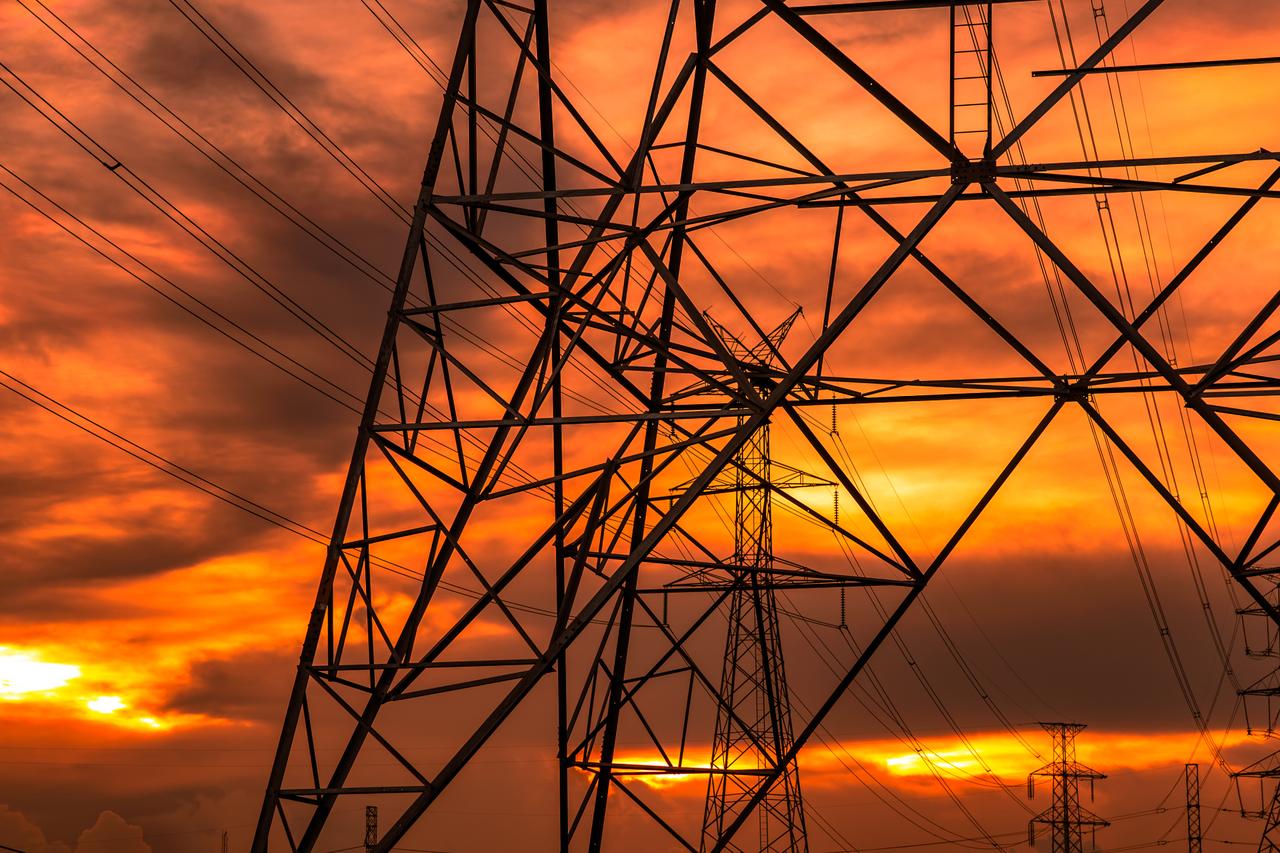
Türkiye is witnessing a significant surge in electricity demand, poised to be the fastest-growing energy market among the member countries of the International Energy Agency (IEA). This growth stems from both robust economic progress and a rising population, which are transforming the country’s energy requirements. A recent report highlights that Türkiye’s electricity demand has averaged an annual growth of about 5% from 2005 to 2024, and projections indicate that this trend will continue, with anticipated demand reaching an impressive 510 terawatt-hours by 2035.
Economic Growth Fuels Electricity Demand
The IEA report emphasizes that the escalating demand for electricity in Türkiye is primarily driven by industrial and service sector activities. Households are also contributing to this demand, with electricity consumption anticipated to see a remarkable 14% increase from 2023 to 2024. Key factors for this rise include a growing reliance on air conditioning and modern electrical appliances, alongside increased electrification in cooking and heating processes in certain regions.
During peak summer months, Türkiye has broken electricity consumption records, with a staggering peak demand of 59.5 gigawatts recorded during a heatwave in July 2025. To address increasing electricity needs, renewable energy sources are expected to play an indispensable role. In 2025, renewables accounted for 43% of Türkiye’s total electricity generation, and this proportion is targeted to rise to 55% by 2035. Notably, solar power capacity is projected to soar from 20 gigawatts in 2024 to 77 gigawatts by 2035, while wind capacity forecasts predict an increase from 13 gigawatts to an impressive 43.1 gigawatts over the same timeframe.
Enhancing Grid Infrastructure and Flexibility
As Türkiye strives to meet its rapidly rising electricity demand, improving the flexibility of its electrical system becomes crucial. The IEA underscores that the transition to more renewable energy will necessitate advanced grid infrastructure, effective energy storage solutions, and adept demand management. Türkiye’s energy transition plan outlines ambitious goals, including the establishment of 35 gigawatts of flexible resources by 2035.
This flexibility will derive from various sources: 10 gigawatts from rooftop solar and storage solutions, another 10 gigawatts from large-scale energy storage, 5 gigawatts from enhanced grid management initiatives, and the remaining 10 gigawatts from demand-side management strategies. Additionally, Türkiye aims to significantly bolster its electricity connectivity with neighboring countries by 2035, targeting a threefold increase in export capacity to 6.75 gigawatts and a fivefold rise in import capacity to 6.6 gigawatts.
Strategic Investments for Future Energy Security
In light of these developments, the IEA emphasizes the urgent necessity for Türkiye to invest in its grid systems, energy storage solutions, and other flexibility resources to adequately manage its surging electricity demand. IEA President Fatih Birol highlighted that strategic investments in grid management, energy efficiency, and flexibility are integral not only for energy security but also to enhance the nation’s economic competitiveness. Such investments will also serve to minimize exposure to instability in international fuel prices.
To facilitate this goal, Türkiye’s energy strategy also entails constructing approximately 14,700 kilometers of high-voltage direct current lines. As the nation’s energy landscape evolves, these focused initiatives will be vital in ensuring that Türkiye meets its electricity requirements effectively and sustainably, cementing its position as a key player in the regional energy market. As such, Türkiye is not only adapting to its present needs but also preparing strategically for a future defined by sustainable energy solutions.