
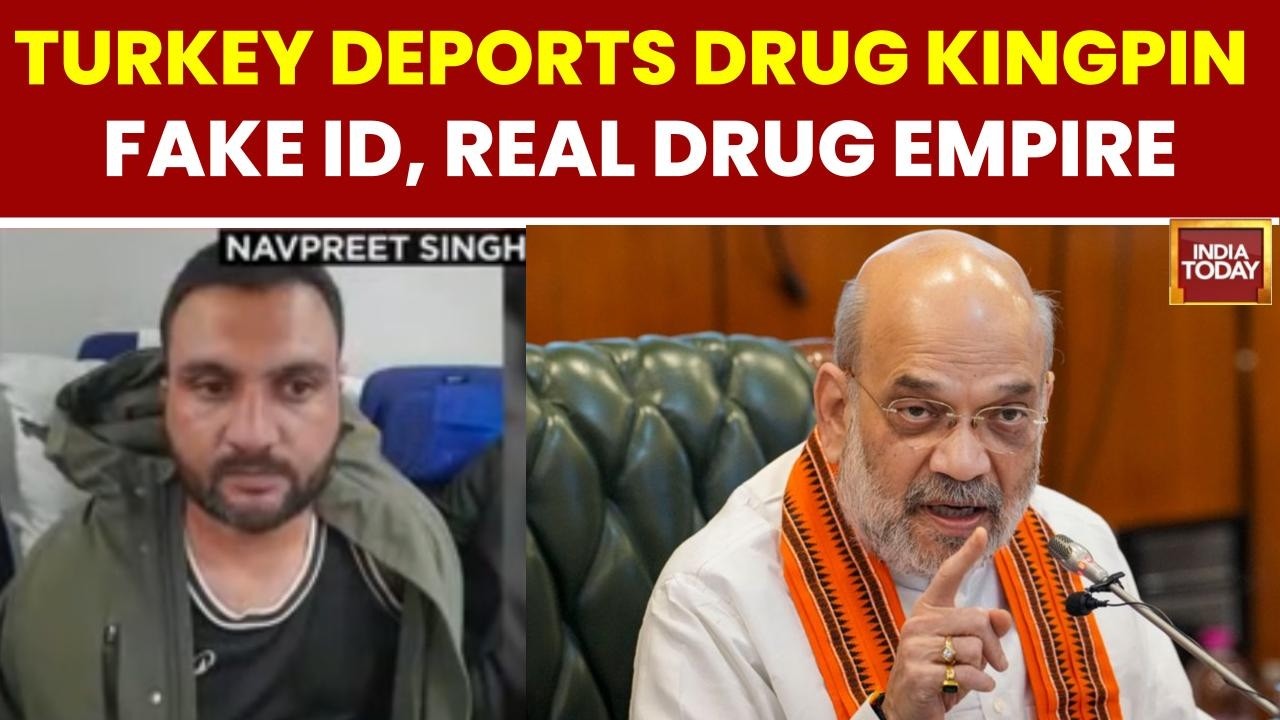
In a significant development in the ongoing battle against drug trafficking, notorious kingpin Navpreet Singh has been deported to India from Turkey. Using the alias Nawab Virk, Singh had managed to acquire Turkish citizenship while engaging in the illegal smuggling of heroin and other narcotics from Afghanistan to India. The successful operation to apprehend him highlights the effectiveness of Indian law enforcement agencies in identifying and confronting organized crime.
Singh’s Arrest and Deportation
After an extensive investigation, Indian authorities tracked down Singh, ultimately revealing his true identity and leading to his deportation. This operation is a testament to the collaborative efforts of various agencies aimed at dismantling the networks that facilitate drug trafficking on an international scale. Union Home Minister Amit Shah expressed his satisfaction with the operation, marking it as a historic achievement for the Indian government in the fight against the drug trade.
Broader Implications for Drug Trafficking Networks
Singh’s deportation is not an isolated incident; it is part of a larger pattern of recent extraditions involving prominent figures in the drug trafficking world. Notably, individuals like Mohammad Salim Dola, who was apprehended in Turkey, as well as Virendra Singh Bisoya from the UAE and Naveen Chichkar from Malaysia, have also been extradited, showcasing a coordinated approach to combatting international drug syndicates. These actions signal a significant shift in the way countries are collaborating to confront the pervasive issue of narcotics trafficking.
Strengthening International Cooperation
The recent successes underscore a growing recognition of the need for enhanced international cooperation among law enforcement agencies. By sharing intelligence and resources, countries can more effectively tackle the complexities surrounding drug trafficking. Singh’s case serves as an example of how countries can unite to confront common threats, ultimately contributing to safer environments for their citizens and reducing the detrimental societal impacts of drug abuse.
Future Challenges and Outlook
Despite these significant victories, challenges remain in the fight against illegal narcotics. Drug trafficking networks continually adapt to law enforcement tactics, making it crucial for authorities to stay one step ahead. Nonetheless, the recent deportations signal a positive trend in international cooperation and commitment to eradicating these syndicates. Stakeholders must remain vigilant and proactive, as the ongoing battle against drug trafficking is far from over. The focus now shifts to reinforcing measures that will not only bring criminals to justice but also address the root causes of drug abuse within society.
In conclusion, the deportation of Navpreet Singh marks a pivotal moment in the fight against drug trafficking, reflecting broader efforts by Indian authorities to dismantle extensive narco-networks. As international collaboration continues to strengthen, the hope is that these actions will contribute to a significant decrease in drug-related crime and foster a healthier society. The path forward is filled with challenges, but with dedicated efforts and strategic planning, there is potential for meaningful progress.