
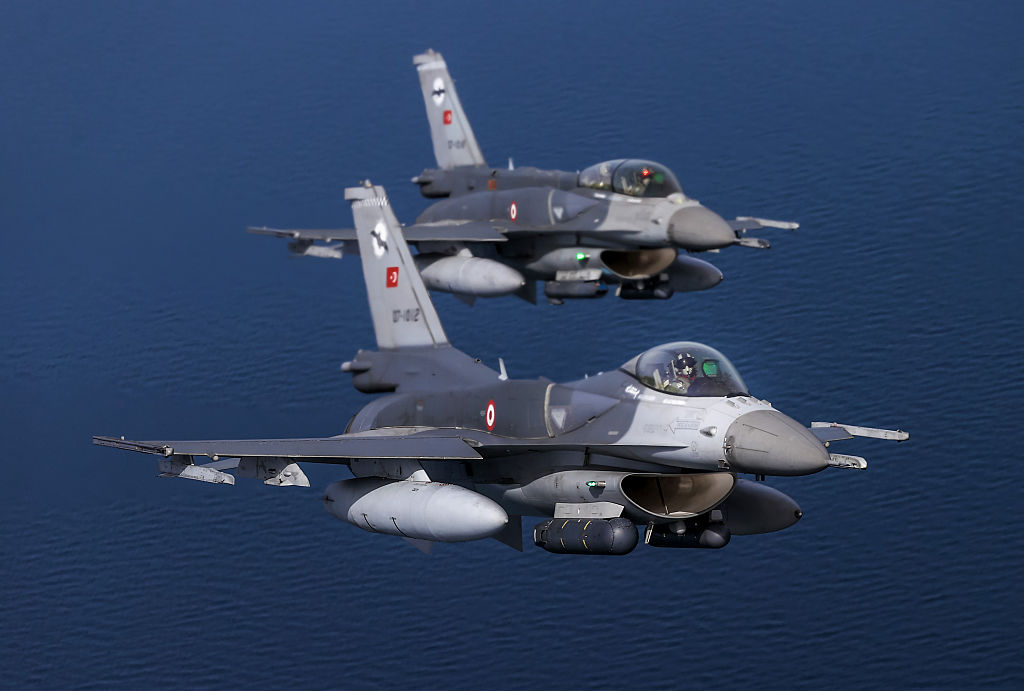
Turkey’s assertive stance in the Eastern Mediterranean has once again taken center stage, marked by reported incidents involving Turkish fighter jets interfering with aircraft transporting European defense ministers to Cyprus. This provocative behavior not only escalates tensions in the region but also raises questions about Turkey’s intentions and its impact on regional stability.
The Rising Tensions in the Eastern Mediterranean
The Eastern Mediterranean has become a focal point for geopolitical rivalries, with Turkey actively seeking to expand its influence over critical maritime areas. Recently, the international community has taken note of Turkey’s increasing confrontational tactics, evidenced by reports of harassment against European officials in transit. This assertiveness has significant implications for not just regional neighbors, but also for global powers with vested interests in the area.
Turkey’s air force activity near Cyprus signals a broader strategy to assert dominance over maritime routes rich in natural resources, including gas reserves. This strategy places Turkey in direct conflict with Greece, Cyprus, and other nations that have competing claims over these vital waters. The tensions have intensified as national boundaries, drilling rights, and territorial waters continue to be contested, creating an environment ripe for conflict.
The Role of Geopolitical Interests
The Eastern Mediterranean’s geopolitical landscape is influenced by a complex interplay of national interests. For Turkey, engaging in confrontational tactics is often framed as a means to protect its national interests and assert its sovereignty. However, such actions not only strain relations with neighboring countries but also complicate diplomatic efforts aimed at resolving disputes.
International actors, including the European Union and NATO, find themselves navigating a challenging environment in which Turkey’s assertive behavior directly impacts security and diplomatic initiatives. The ongoing tensions also highlight the importance of multilateral dialogues to address disputes and forge pathways to stability and cooperation in the region. The necessity for diplomatic channels has never been more pressing.
The Global Response to Turkish Aggression
Turkey’s increasing militaristic posture has prompted varied reactions on the international stage. Countries affected by Turkey’s actions, particularly Greece and Cyprus, have begun strengthening their defense capabilities and seeking alliances with other nations. The potential for miscalculation or escalation of violence due to these tensions remains a significant concern for global leaders.
Moreover, European nations are reevaluating their strategies toward Turkey, especially as they assess the implications of its actions on regional security. The need for a cohesive European response becomes more apparent, as collective action may serve to deter future provocations. Engaging Turkey in meaningful dialogue, balanced with firm stances against aggressive conduct, is a pivotal step toward achieving long-term peace in the region.
In summary, Turkey’s assertiveness in the Eastern Mediterranean presents a multifaceted challenge that requires urgent attention from both regional neighbors and global powers. As confrontations escalate, the focus must shift toward fostering dialogue, strengthening alliances, and establishing frameworks for cooperative security. Only through collective resolution efforts can the tensions in the Eastern Mediterranean be effectively managed, paving the way for stability in this strategically important region.