
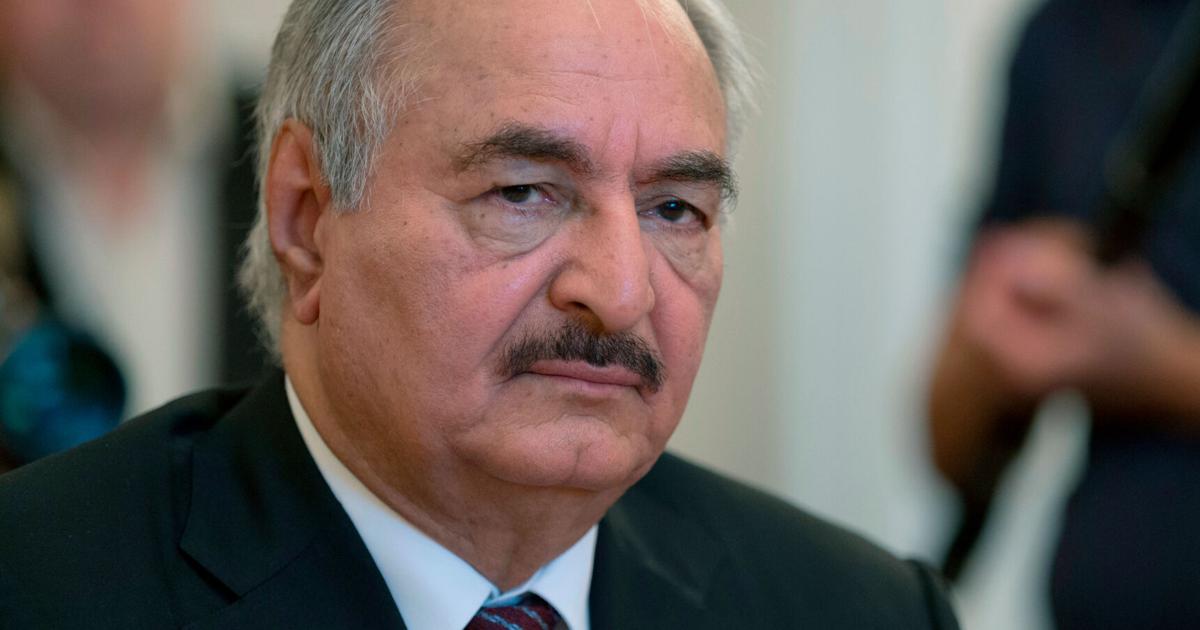
Gen. Khalifa Hifter, a significant figure in Libya’s tumultuous political landscape, has garnered international attention due to his controversial military campaigns and alliances. His relations with foreign powers, particularly Russia, have sparked discussions about their implications for Libya’s stability and future governance.
The Rise of Khalifa Hifter
Khalifa Hifter emerged as an influential military leader amid Libya’s chaos following the ousting of Moammar Gadhafi in 2011. Initially part of the opposition, Hifter later positioned himself as the commander of the self-styled Libyan National Army (LNA). His rise was marked by attempts to consolidate power in eastern Libya, claiming to fight against terrorism and restore order. These goals have, however, frequently been questioned, as critics argue that his actions often propagate violence and conflict rather than a peaceful resolution.
Over the years, Hifter has established himself as a dominant force in Libyan politics, engaging in complex alliances. His ability to garner support from various militias has allowed him to maintain control over key regions, although this has also resulted in significant humanitarian concerns. The ongoing conflict has led to widespread displacement and suffering for many Libyans, fuelling debates over Hifter’s legitimacy as a leader.
International Relationships and Impacts
One of the pivotal aspects of Hifter’s strategy has been his foreign alliances. His connection with Russia, symbolized by a notable meeting with Foreign Minister Sergei Lavrov in August 2017, exemplifies the international dimensions of his operations. This relationship has raised eyebrows among Western countries, which view Hifter’s military strategies as undermining peace efforts. The Russian government’s support for Hifter is seen as part of a broader agenda to expand its influence in North Africa and the Mediterranean.
Moreover, these foreign alliances extend beyond Russia. Hifter has received backing from various regional powers and nations, each pursuing its interests in the volatile Libyan landscape. The multiplicity of these relationships complicates peace negotiations, as conflicting interests often exacerbate tension among local actors.
Implications for Libya’s Stability
The ongoing tumult surrounding Hifter’s leadership raises critical questions about the future of Libya. With various factions vying for power, the path towards unification and stability remains fraught with challenges. Hifter’s military campaigns have contributed to a protracted civil war, and while he claims to seek peace, many perceive his efforts as deepening divisions within the country.
As Libya stands on the brink of potential resurgence or further decline, the international community’s role cannot be understated. Strategies must prioritize diplomatic resolutions to address the underlying issues of governance, security, and humanitarian needs. The legacy of leadership figures like Hifter will undoubtedly shape Libya’s trajectory in the years to come, making understanding these dynamics essential for stakeholders invested in the region’s future.
In conclusion, Khalifa Hifter remains a polarizing figure in Libya, emblematic of the country’s complex political landscape. While he seeks to control key regions and influence international narratives, the repercussions of his actions continue to resonate within the broader context of Libyan society and governance. Addressing these challenges with a focus on diplomacy and humanitarian considerations is crucial for sustainable peace in the region.