
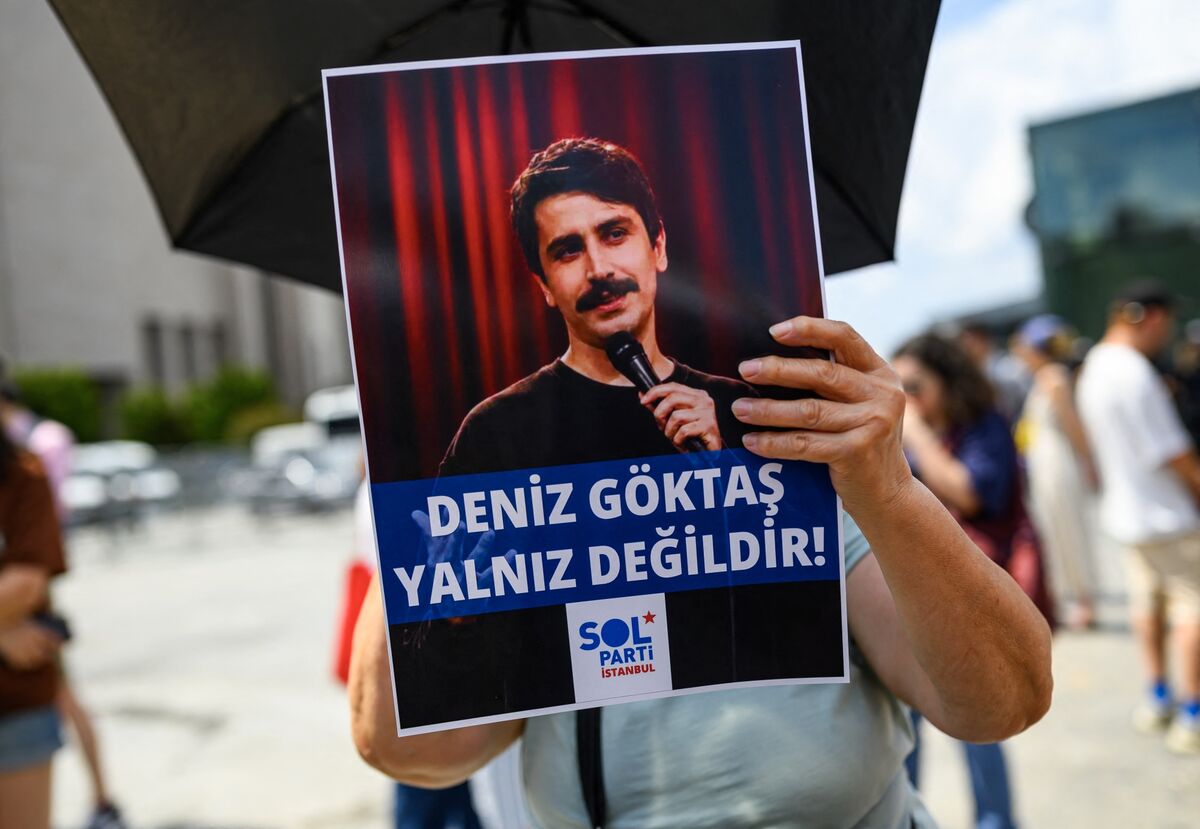
Turkish authorities are intensifying their longstanding campaign against those they perceive as critics as the NATO summit approaches in Ankara. This show of intolerance towards dissent highlights the ongoing tension within the country regarding free expression and political opposition.
Government Actions Against Dissent
As the NATO summit draws near, the Turkish government has ramped up its repressive measures against individuals and groups who oppose its policies. This includes arrests, harassment, and targeting journalists, academics, and activists who are viewed as dissenters. The crackdown reflects a broader trend of authoritarianism in Turkey, where voices of dissent are increasingly being silenced. Human rights organizations have raised concerns about these actions, describing them as violations of basic freedoms and an indication of a regime unwilling to tolerate any form of opposition, particularly during sensitive political events like the NATO summit.
Impact on Freedom of Expression
The recent escalations in government interventions are a significant threat to freedom of expression in Turkey. Journalists face severe risks when reporting on sensitive topics, and academic discourse is often stifled by fear of repercussions. Due to this hostile environment, many potential whistleblowers and critics are deterred from speaking out. This situation not only undermines individual rights but also impairs informed public debate, which is essential in a democratic society. The chilling effect of state policies creates a culture of fear, discouraging open discussion and inquiry on vital issues affecting the nation.
International Repercussions
The Turkish government’s actions have drawn criticism from international organizations and foreign governments, particularly as they relate to human rights violations. Observers are watching closely as Turkey seeks to bolster its status within NATO while simultaneously repressing its own citizens. This contradiction raises questions about the country’s commitment to the democratic values that NATO espouses. If Turkey continues on this path, it might find its international alliances strained, as partners assess the implications of aligning with a nation that limits fundamental rights.
Looking Ahead
As the NATO summit proceeds, the global community will be keenly aware of Turkey’s actions towards dissent. The government’s attempts to project stability and control may backfire, leading to greater scrutiny and potential diplomatic fallout. The fate of dissenters in Turkey remains uncertain, and as the world watches, the need for accountability and respect for human rights becomes ever more pressing. It is essential for Turkish leaders to recognize that genuine national security is not achieved through repression but through engagement, dialogue, and adherence to the principles of democracy.