
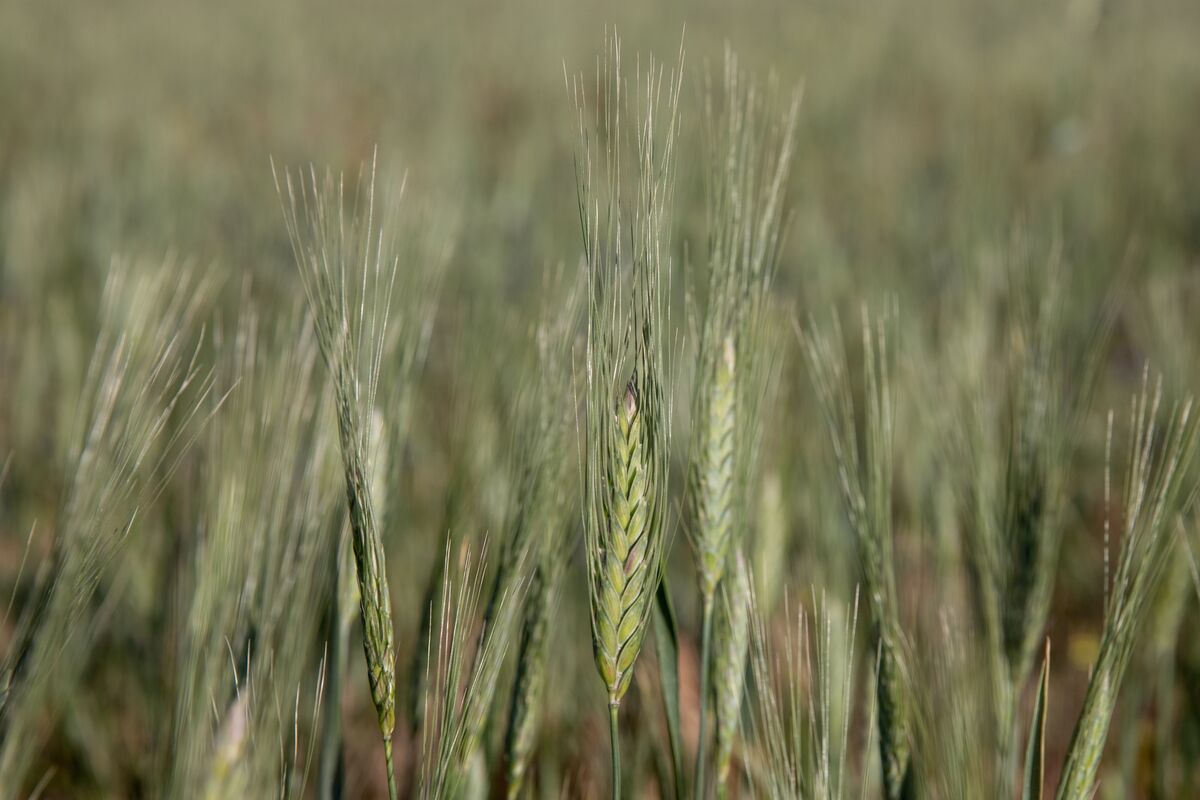
The Turkish government’s recent decision to resume milling wheat exports marks a significant shift after a prolonged halt lasting a year and a half. This policy change is poised to impact global grain markets, especially given Turkey’s status as a key player in agricultural production.
Understanding the Context of Turkey’s Export Policy
For over a year, Turkey implemented restrictions on milling wheat exports, a move aimed at securing its domestic food supply amidst rising global prices. The factors contributing to this stance included subpar harvests and supply chain disruptions due to geopolitical tensions. Turkish authorities prioritized local consumption to stabilize food prices for its citizens, understanding the critical role wheat plays in their culinary culture.
As export restrictions lifted, several market analysts noted the potential for Turkey to regain its position as a significant exporter in the world wheat market. Turkey is known for producing high-quality milling wheat, which is essential for flour production and other food items. The return to exporting could rejuvenate the agricultural sector, which has faced challenges due to the earlier embargoes.
Implications for Global Wheat Supply
The resumption of milling wheat exports from Turkey could have far-reaching effects on the global wheat supply chain. Analysts predict that this decision may put downward pressure on wheat prices, which have seen a surge due to various global challenges, including conflicts and climate conditions affecting agricultural output. Turkey’s wheat, known for its high gluten content, is particularly desirable in many international markets.
Moreover, countries that rely on importing wheat for their domestic needs will likely benefit from Turkey’s renewed export capabilities. Nations in North Africa, the Middle East, and parts of Asia typically source significant quantities of wheat from Turkey. A stable and accessible supply of milling wheat could help mitigate food insecurity in regions heavily dependent on these imports.
Impact on Domestic Turkish Market
While the export resumption offers advantages for international markets, it also raises questions about how this shift will affect the domestic agricultural landscape. Turkish farmers may benefit from increased demand, but they also face pressures. With the possibility of a surge in exports, there could be concerns about the availability of wheat for local consumption. Farmers will need to balance their production efforts and prioritize local needs while capitalizing on the export opportunities.
The Turkish government emphasizes the importance of meeting domestic demand first, implementing measures to monitor export levels closely. By doing so, authorities aim to ensure that local markets remain stable and accessible for all citizens while allowing Turkish agricultural products to reach international consumers.
In summary, the Turkish government’s decision to allow milling wheat exports again after a prolonged period of restrictions presents numerous implications for both local and global markets. With an expanding agricultural sector and a growing demand for high-quality milling wheat, Turkey is poised to become an influential player in global grain exports once again.